Lessons from the Alliance of Kings: Spiritual Warfare and Divine Intervention
"That these made war with Bera king of Sodom, and with Birsha king of Gomorrah, Shinab king of Admah, and Shemeber king of Zeboiim, and the king of Bela, which is Zoar." - Genesis 14:2
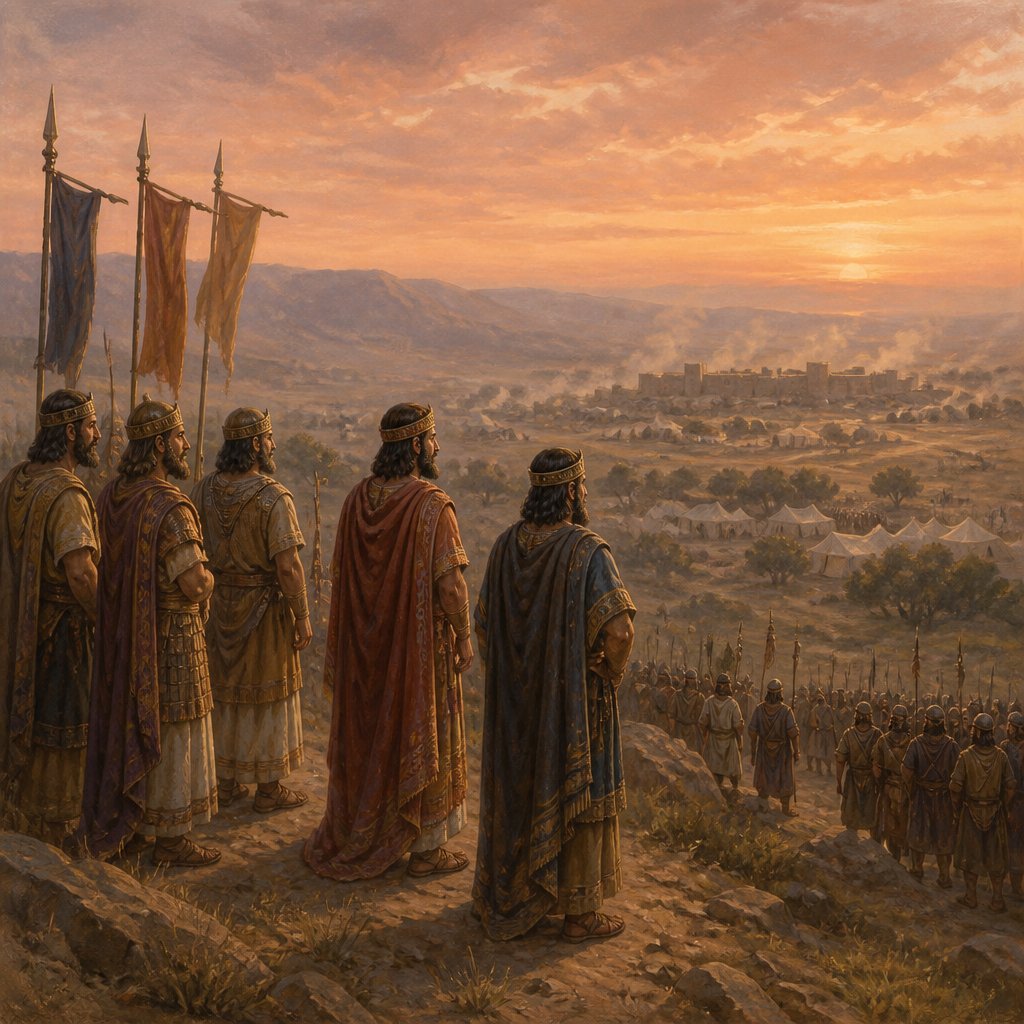
In Genesis 14:2, the narrative unfolds in the midst of a tumultuous war involving notable kingdoms of the region: "That these made war with Bera king of Sodom, and with Birsha king of Gomorrah, Shinab king of Admah, and Shemeber king of Zeboiim, and the king of Bela, which is Zoar." This passage not only recounts a historical conflict but also serves as a profound metaphor for spiritual warfare, challenging us to consider the nature of our alliances and the battles we face in our lives.
At first glance, the mention of these kings may appear like a mere historical account—a battle fought for land, resources, and power. However, upon closer inspection, we recognize that each name embodies a deeper essence relevant to our spiritual journey.
**The Battles We Face**
Just as these kings engaged in conflict, we too find ourselves in battles—battles against sin, temptation, hopelessness, or despair. In Ephesians 6:12 (KJV), Paul reminds us, "For we wrestle not against flesh and blood, but against principalities, against powers, against the rulers of the darkness of this world, against spiritual wickedness in high places." Our enemies may not wear crowns or carry swords, yet they wield a power that can lead us into darkness.
**The Cities Represented**
Let us explore the cities mentioned in the verse. Sodom and Gomorrah are often synonymous with immorality and sin, yet they were not alone; Admah, Zeboiim, and Bela (Zoar) each signify a layer of the human condition. These cities stand as reminders of a world steeped in spiritual compromise, reflecting the very nature of our environment today. Each city had its own unique vices, inviting us to examine our surroundings—what alliances or influences are we engaging with? Are we, too, inadvertently aligning ourselves with ideologies that oppose God's will?
**God’s Sovereignty Amidst Conflict**
While the kings convened against each other for power, God is ultimately in control. He uses the affairs of men to materialize His divine plans. When faced with overwhelming trials, it is easy to succumb to fear and despair, forgetting that God is not taken by surprise by our battles. His control over our lives and the world is profound. Romans 8:28 reassures us, "And we know that all things work together for good to them that love God, to them who are the called according to his purpose."
In Genesis 14, we also see that Lot, Abraham's nephew, is caught in the crossfire of these battles after living in the vicinity of Sodom. This serves as a powerful illustration of how our choices can place us in precarious situations. Like Lot, we may find ourselves in compromised positions—caught up in situations far removed from God’s will. Yet, it is crucial to remember that even in our folly, God is ever ready to intervene. He cares about our plight, just as He cared for Lot.
**Divine Intervention**
Abraham’s response to the conflict reveals the importance of intercession. When he hears that Lot has been taken captive, he rallies his trained men and goes to rescue him. In this action, we see the call to be a warrior—not just in the face of physical conflicts but in prayer, support, and reconciliation. We are reminded to champion the needs of those we love, engaging through prayer and intercession, knowing that we are powerful conduits of God’s grace.
**Conclusion**
As we reflect on Genesis 14:2 and the alliances of kings, let us take stock of our lives and the battles we face. Do we rely on the fleeting alliances of the world, or do we trust in the everlasting covenant with God? In a world rife with conflict, may we find our strength in God’s sovereignty, our wisdom in choosing our companions, and our mission in interceding for others. Ultimately, our lives are a testament to the battles we fight—may they glorify God and reflect His sovereign power and grace in all circumstances.
Want to reflect more on Genesis 14:2?
Continue your spiritual journey with Bible Chat — an AI-powered tool for exploring God's Word through conversation. Ask questions, discover connections, and deepen your understanding.
Get Our Apps


Genesis 14:2 Artwork

Genesis 14:2 - "That these made war with Bera king of Sodom, and with Birsha king of Gomorrah, Shinab king of Admah, and Shemeber king of Zeboiim, and the king of Bela, which is Zoar."

Genesis 14:2 That these made war with Bera king of Sodom, and with Birsha king of Gomorrah, Shinab king of Admah, and Shemeber king of Zeboiim, and the king of Bela, which is Zoar.
"That these made war with Bera king of Sodom, and with Birsha king of Gomorrah, Shinab king of Admah, and Shemeber king of Zeboiim, and the king of Bela, which is Zoar." - Genesis 14:2

Genesis 14:1-2

Genesis 2:14 - "And the name of the third river is Hiddekel: that is it which goeth toward the east of Assyria. And the fourth river is Euphrates."

Genesis 22 14

Genesis 21:14

Genesis 19-14

Genesis 25-14

Genesis 15:14

Genesis 23-14

Genesis 24-14

Genesis 22-14

Genesis 17-14

Genesis 16:14

Genesis 20-14

Genesis 28-14

Genesis 18-14

Genesis 25:14 - "And Mishma, and Dumah, and Massa,"

Genesis 1:10-14

Genesis 18:9-14

Genesis 18:1-14

Genesis 18:11-14

Genesis 22:1-14
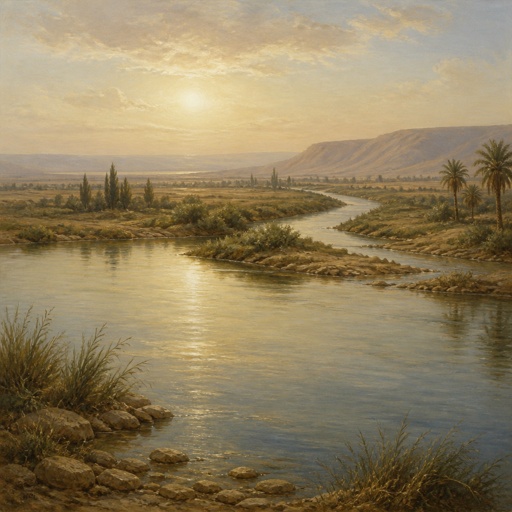
"And the name of the third river is Hiddekel: that is it which goeth toward the east of Assyria. And the fourth river is Euphrates." - Genesis 2:14

Genesis 46:14 - "¶ And the sons of Zebulun; Sered, and Elon, and Jahleel."

Genesis 23:14 - "And Ephron answered Abraham, saying unto him,"

Genesis 11:14 - "And Salah lived thirty years, and begat Eber:"

Genesis 14:4 - "Twelve years they served Chedorlaomer, and in the thirteenth year they rebelled."

Genesis 10:14 - "And Pathrusim, and Casluhim, (out of whom came Philistim,) and Caphtorim."