A Legacy of Faith: Trusting God's Promises in Our Childlessness
"And Abram said, Lord GOD, what wilt thou give me, seeing I go childless, and the steward of my house is this Eliezer of Damascus?" - Genesis 15:2
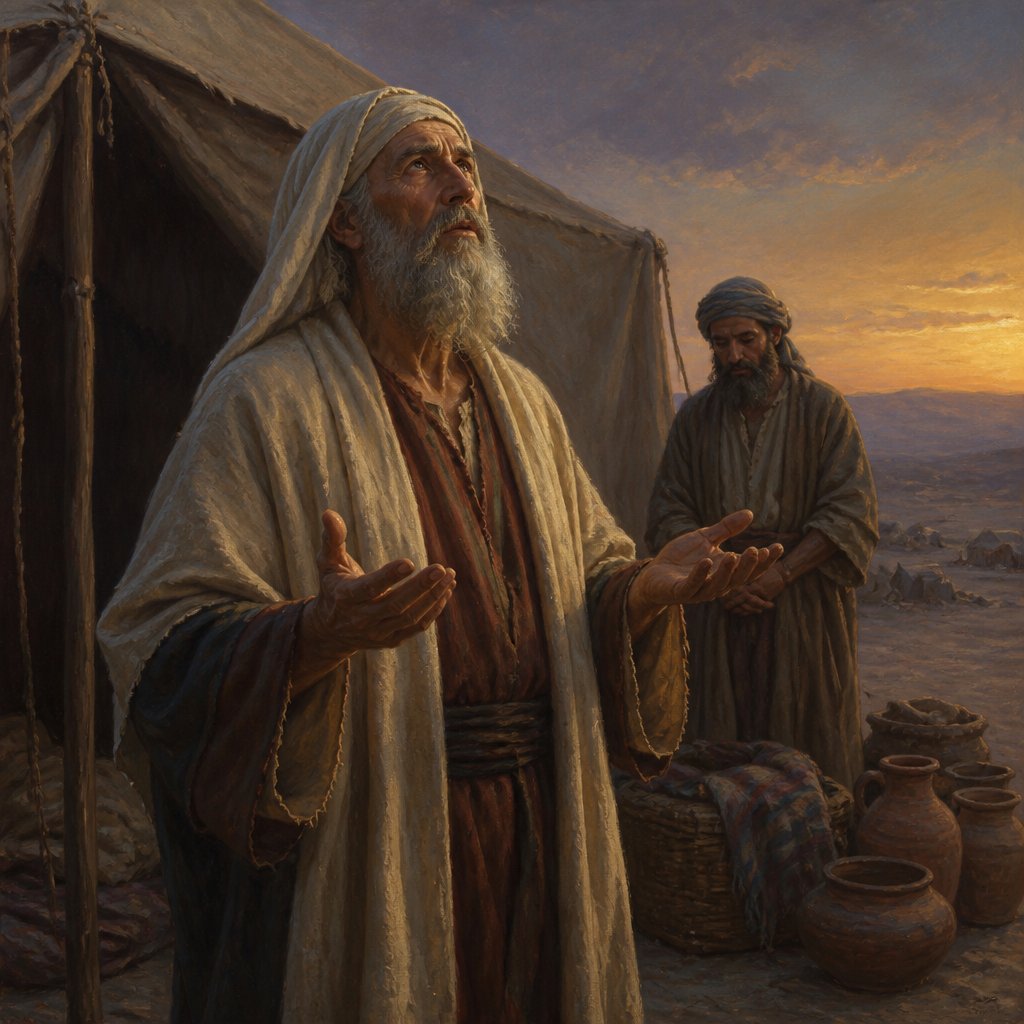
Genesis 15:2 records a poignant moment in the life of Abram (later known as Abraham), where he directly addresses God in a spirit of vulnerability and concern: "And Abram said, Lord GOD, what wilt thou give me, seeing I go childless, and the steward of my house is this Eliezer of Damascus?" In this profound verse, we find not only the heart of a man yearning for something more but also insights into God's timing and the nature of faith.
At this point in the narrative, Abram had journeyed far in his faith and obedience to God. He had left his homeland, trusted God to guide him, and received promises of blessing and numerous descendants (Genesis 12:1-3). Yet, despite these assurances, Abram finds himself in a state of childlessness, grappling with the weight of unfulfilled promises. His question to God encapsulates a mix of frustration, yearning, and an earnest plea for reassurance. It raises a fundamental theme that resonates throughout Scripture and in our lives: the challenge of faith amid uncertainty.
Abram's mention of "this Eliezer of Damascus" underscores the depth of his concern. In the ancient Near Eastern context, a steward or servant could inherit the master's estate if the master had no biological heirs. Eliezer was a faithful servant, yet he was not the promised lineage. As Abram reflects on his situation, we are invited to ponder our own lives. Are there areas where we feel we've trusted God yet have not seen the fruition of his promises? Are there dreams we've held onto that seem increasingly beyond our grasp?
In this moment of dialogue with God, Abram boldly confronts his reality. It is vital to recognize that faith does not eliminate questions or concerns; rather, it invites them into the presence of God. Instead of retreating or ignoring his feelings of inadequacy, Abram expresses the deep anguish of his heart. This illustrates a critical truth about our relationship with God: He desires honesty and intimacy with us, even when our circumstances are challenging. It’s worth noting that God does not rebuke Abram for his inquiry but rather continues the conversation, affirming Abram's worthiness of His promises.
God’s response to Abram's lament follows in verses 4 and 5, where He assures Abram that he will have a biological son of his own. The promise of numerous descendants is reiterated, and God's greatness is demonstrated by taking Abram outside to gaze at the stars, inviting him to imagine a lineage as countless as the night sky. This highlights a fundamental truth about God: He is not limited by our circumstances or our understanding of how He will accomplish His promises. His ability to give life and purpose extends beyond human limitations.
Now think for a moment about how this account relates to our own spiritual journeys. In moments when hope wanes or when we grapple with feelings of barrenness—whether literally, spiritually, or emotionally—asking questions of God can lead us to deeper faith. Each question asked in sincerity is an opportunity for God to reveal further dimensions of His character and His plans. God's response may not always come in the ways we expect; sometimes, it’s a gradual unfolding or a dawning realization of His presence in our lives.
As we navigate our challenges, let us hold fast to the promises of God, trusting that in His time, those promises will come to fruition. Just as Abram's story did not conclude with his doubt but continued into a legacy of faith and fulfillment, so too can our lives reflect trust in God’s unwavering faithfulness.
In our moments of questioning, let us echo Abram’s honesty and inquire of the Lord, trusting that He will lead us into greater revelations of who He is and how He works through our lives, even in seasons of waiting and uncertainty. Let us remain steadfast, confident that our legacy will be one of faith—faith that recognizes God’s power in the impossibility and faith that perseveres in the face of barrenness.
As we close this reflection, remember that childlessness, whether in the literal sense or in our aspirations, serves as fertile ground for deeper faith. In reflecting upon Abram's earnest prayer, let us embrace our uncertainties and trust that God holds a future intertwined beautifully with His promises.
Want to reflect more on Genesis 15:2?
Continue your spiritual journey with Bible Chat — an AI-powered tool for exploring God's Word through conversation. Ask questions, discover connections, and deepen your understanding.
Get Our Apps


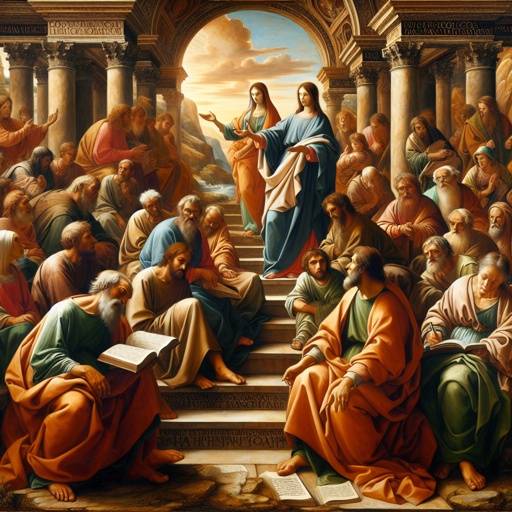
Genesis 15:2 Artwork

Genesis 15:2 - "And Abram said, Lord GOD, what wilt thou give me, seeing I go childless, and the steward of my house is this Eliezer of Damascus?"
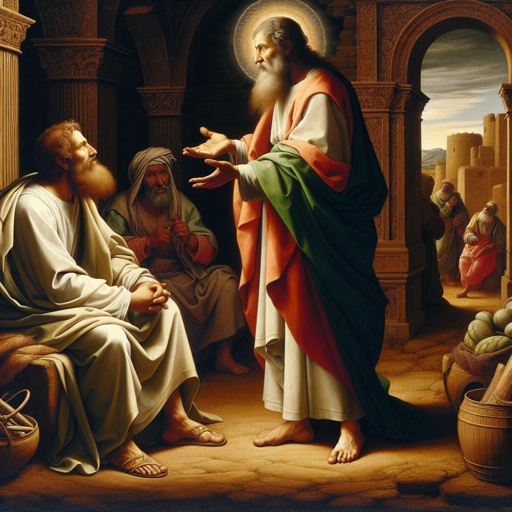
Genesis 15:2 And Abram said, Lord GOD, what wilt thou give me, seeing I go childless, and the steward of my house is this Eliezer of Damascus?
"And Abram said, Lord GOD, what wilt thou give me, seeing I go childless, and the steward of my house is this Eliezer of Damascus?" - Genesis 15:2

Genesis 2:15 - "And the LORD God took the man, and put him into the garden of Eden to dress it and to keep it."

Genesis 15:15

Genesis 2:15-The Lord placed the man in the garden of Eden to tend and watch over it
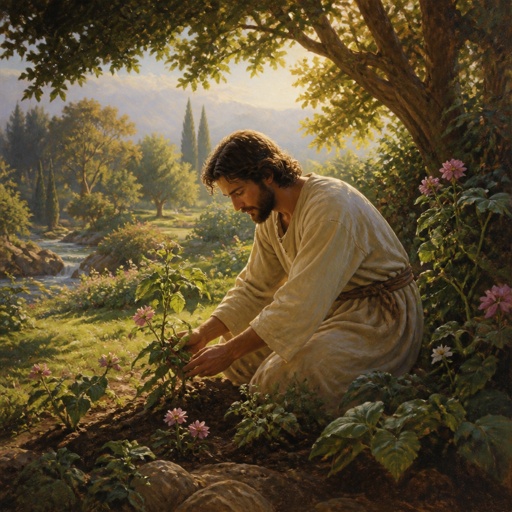
"And the LORD God took the man, and put him into the garden of Eden to dress it and to keep it." - Genesis 2:15

Genesis 28-15

Genesis 17-15

Genesis 15:10

Genesis 15:20

Genesis 22:15

Genesis 20-15

Genesis 15:14

Genesis 15:11

Genesis 16:15

Genesis 24-15

Genesis 19-15

Genesis 15:13

Genesis 25-15

Genesis 23-15

Genesis 18-15

Genesis 15:9

Genesis 21-15

Genesis 24:15

Genesis 15:19

Genesis 15:7

Genesis 15:16

Genesis 15:17
Genesis 15:18