The Covenant of Flesh: A Deeper Understanding of Genesis 17:11
"And ye shall circumcise the flesh of your foreskin; and it shall be a token of the covenant betwixt me and you." - Genesis 17:11
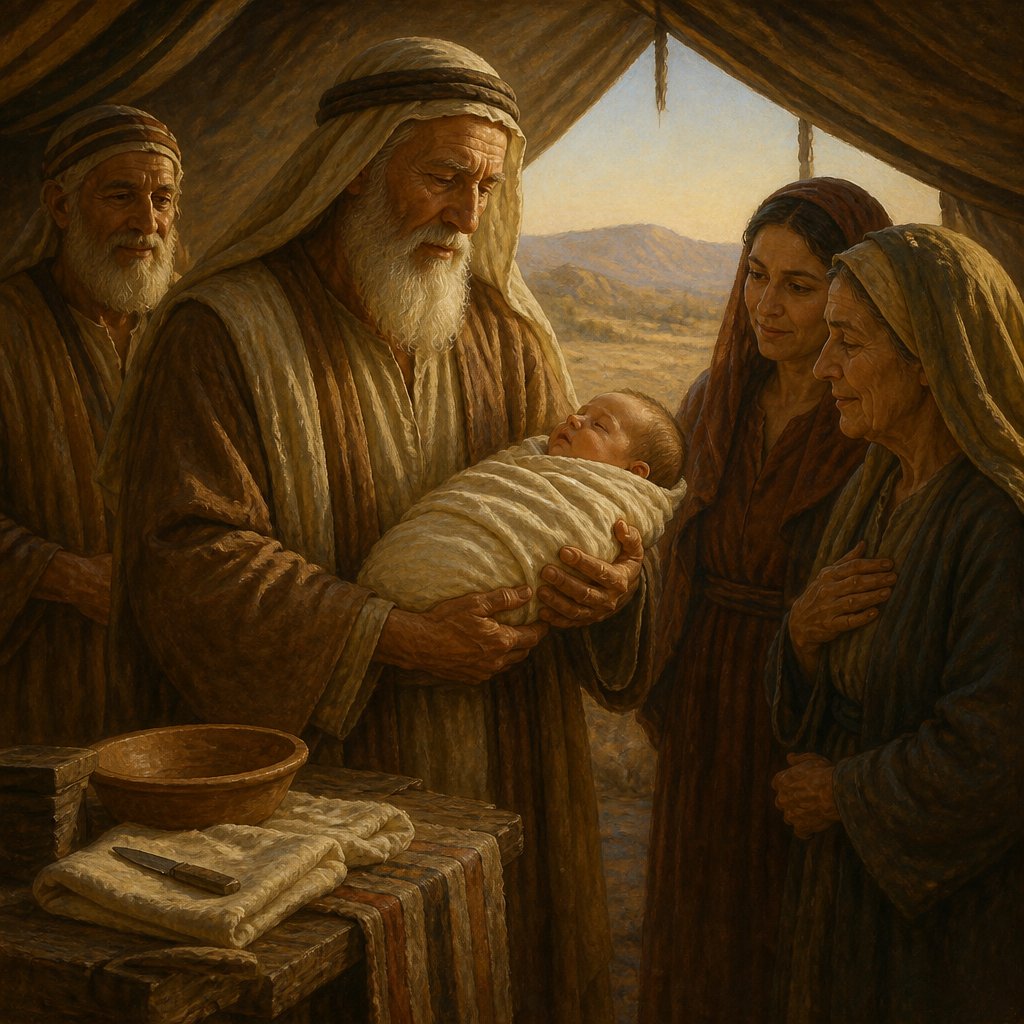
The world of spiritual promise and divine relationship finds a profound symbol in the act of circumcision, a command that echoes through generations as recorded in Genesis 17:11 (KJV): "And ye shall circumcise the flesh of your foreskin; and it shall be a token of the covenant betwixt me and you." To fully grasp the significance of this directive, we must delve into the context of this covenant, its implications, and how it resonates with our lives today.
In this chapter of Genesis, God reiterates His covenant with Abram, who would become Abraham, the father of many nations. The significance of this covenant cannot be overstated; it is the foundation of God’s promises to Abraham and, by extension, to all of humanity. God’s covenant with Abraham was a profound demonstration of His intent to establish an unbreakable bond, one steeped in faith, obedience, and identity.
Circumcision, as commanded, is not merely a physical act, but a deep spiritual sign, representing a cutting away of the old, and a new commitment to God. This ritual serves as a visible and eternal reminder of the covenant. The act of circumcision draws a distinct line between those who are in relationship with God and those who are not, marking an identity that ties the people of Israel irrevocably to their Creator. It was a signal of belonging, a badge of honor, a calling into holiness.
Further reflecting on this verse, we understand that the flesh of the foreskin symbolizes sinfulness, earthly desires, and the carnal nature of man. God, in instructing Abraham to circumcise, is inviting him—and all who follow—to cut away those parts of the flesh that do not honor God. In a spiritual sense, this call to circumcision transcends physicality. It beckons us into a life transformed and devoted to God. The act becomes a metaphor for our journey in faith, one where we continuously shed our old selves and allow God to shape us anew.
This covenant is thus an invitation—not merely an obligation. The phrase "a token of the covenant" signifies that this act is a sign, demonstrating faith and commitment. We are reminded that while God makes profound commitments to us, He seeks our response in faithfulness. Our modern lives may not center around a physical circumcision, but the principles remain potent; it remains about what God requires from us in our hearts.
In our lives today, this covenant can guide how we relate to our sin, how we embrace our identity, and how we embody our faith. Just as Abraham was called to something greater, we too are called to live as new creations. The Apostle Paul echoes this sentiment in the New Testament when he writes in Galatians 5:24 (KJV), "And they that are Christ's have crucified the flesh with the affections and lusts." This is our modern circumcision—a continual process of surrendering our will and desires, allowing the Holy Spirit to transform our hearts.
As we reflect on Genesis 17:11, let us consider what we might need to 'cut away' in our own lives. Are there habits, beliefs, or sins that keep us from the fullness of communion with God? Just as God did not leave Abraham in isolation with his covenant, He promises companionship and guidance.
May we actively take part in this transformative covenant relationship. Remember that God's commandments, while demanding, come with the assurance of His faithfulness. The covenant signifies relationship, the commitment of God, and our response. In this beautiful dance of grace, we discover not only our identity in the covenant but also the profound grace of being a part of God's eternal family, a family that spans generations, bound by His unyielding promises.
Want to reflect more on Genesis 17:11?
Continue your spiritual journey with Bible Chat — an AI-powered tool for exploring God's Word through conversation. Ask questions, discover connections, and deepen your understanding.
Get Our Apps


Genesis 17:11 Artwork

Genesis 17-11

Genesis 17:11 - "And ye shall circumcise the flesh of your foreskin; and it shall be a token of the covenant betwixt me and you."
"And ye shall circumcise the flesh of your foreskin; and it shall be a token of the covenant betwixt me and you." - Genesis 17:11

Genesis 11:17 - "And Eber lived after he begat Peleg four hundred and thirty years, and begat sons and daughters."

Genesis 17-17

Exodus 17:11
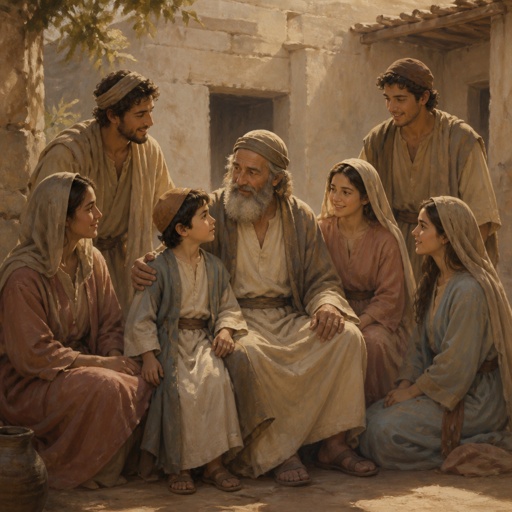
"And Eber lived after he begat Peleg four hundred and thirty years, and begat sons and daughters." - Genesis 11:17

Genesis 17-15

Genesis 17-23

Genesis 18-17

Genesis 17-27

Genesis 17-21

Genesis 17:2

Genesis 17:6

Genesis 17:4

Genesis 20-17

Genesis 17:8

Genesis 28-17

Genesis 17-19

Genesis 21-17

Genesis 24-17

Genesis 17-22

Genesis 17:10

Genesis 17-12

Genesis 17:1

Genesis 17-14

Genesis 22-17

Genesis 17:7

Genesis 17:5

Genesis 17-18