A Covenant of Circumcision: Understanding Identity and Covenant Promise
"And Ishmael his son was thirteen years old, when he was circumcised in the flesh of his foreskin." - Genesis 17:25
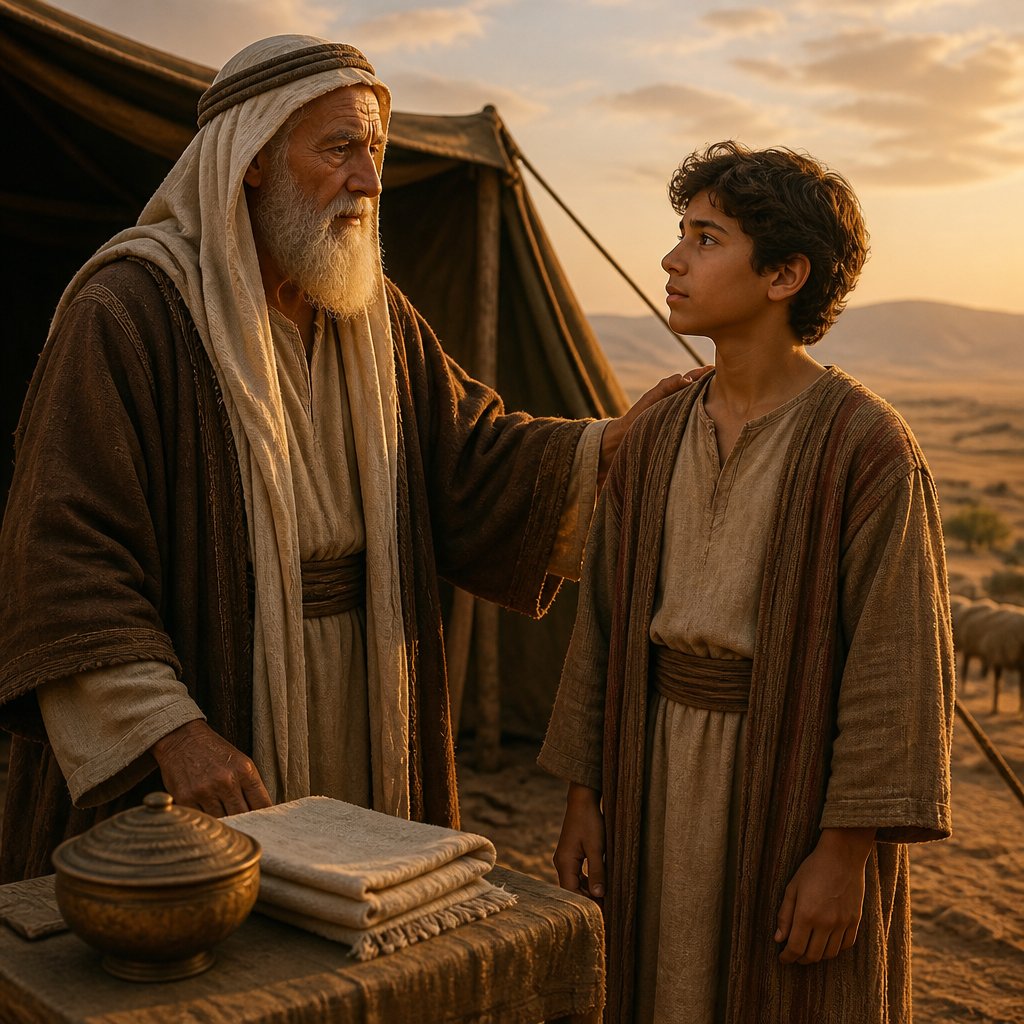
Genesis 17:25 states, "And Ishmael his son was thirteen years old, when he was circumcised in the flesh of his foreskin." At first glance, this verse may evoke little more than a historical note about a significant event in the life of Abraham and his family. Yet, nestled within this passage lies a profound exploration of identity, covenant, and the formative experiences that shape us.
To understand the weight of this moment, we must first appreciate the context of Abraham’s life prior to this chapter. Abraham, originally known as Abram, was called by God to leave his homeland and set forth into an unknown future (Genesis 12:1-4). He was promised a great nation would descend from him, yet for many years, he faced barrenness. Even when a child was finally born, it was not through Sarah, his wife, but through Hagar, Sarah's maidservant. Ishmael was born, and like any child, he became a part of Abraham’s life and identity.
God, however, had a specific plan for Abraham—a covenant plan. This covenant was to be formalized through the act of circumcision, which would serve as a physical sign of God's commitment to His people. For Abraham, it was a significant act of faith, an outward demonstration of his belief in God's promise, and a marker of his identity as God’s chosen man. But Ishmael, born from the flesh and personal desire rather than divine promise, experienced a different journey in relation to this covenant.
The fact that Ishmael was thirteen when he was circumcised is immensely telling. At this age, he was entering adolescence—a pivotal moment of self-discovery and identity formation. Circumcision, as an act of obedience to God, would have profound implications for Ishmael's understanding of his place within Abraham’s family and within the broader context of God’s covenant. Though he was technically part of the household of faith, Ishmael was still not the child of promise destined to fulfill God's ultimate plan for Abraham’s lineage.
As Ishmael underwent this physical transformation, we can visualize a moment steeped in both obedience and tension. Picture the emotion of a thirteen-year-old—thrumming with independence and confusion, wrestling the growing pains of self-identity. For Ishmael, faith and doubt would interweave as circumcision marked him as part of a covenant even while he remained aware of his status as the son born of a different arrangement. This dichotomy foreshadows the complexities of identity that many people face today who follow God yet battle feelings of belonging and exclusion.
In the spiritual journey of each believer, we encounter moments where faith conflicts with our surrounding realities. Like Ishmael, we are often caught between the promises of God and the declarations of the world around us. When God called us to follow Him, He did not erase our past or the circumstances under which we entered His family; instead, He asks us to respond in faith regardless of where we began.
The act of circumcision is more than a cultural rite; it represents a call to commitment—a carving out of our hearts and lives for God’s purposes. As Ishmael responded to God's covenant, he was reminded that his identity was not defined solely by how he came into the world, but by the commitment he would choose in response. So too, we are invited to circumcise our hearts, establishing a deeper relationship with God and allowing Him to define who we are and what we are to become.
Thus, let us reflect upon Ishmael's experience, not as a mere historical account, but as a mirror of our engagement with God’s covenant. We can choose to embrace our identity in Him, trusting Him with our beginnings and present realities, and step into the fullness of His promises, cultivating faith in the face of uncertainty.
Want to reflect more on Genesis 17:25?
Continue your spiritual journey with Bible Chat — an AI-powered tool for exploring God's Word through conversation. Ask questions, discover connections, and deepen your understanding.
Get Our Apps


Genesis 17:25 Artwork

Genesis 17-25

Genesis 17:25 - "And Ishmael his son was thirteen years old, when he was circumcised in the flesh of his foreskin."
"And Ishmael his son was thirteen years old, when he was circumcised in the flesh of his foreskin." - Genesis 17:25

Genesis 25-17
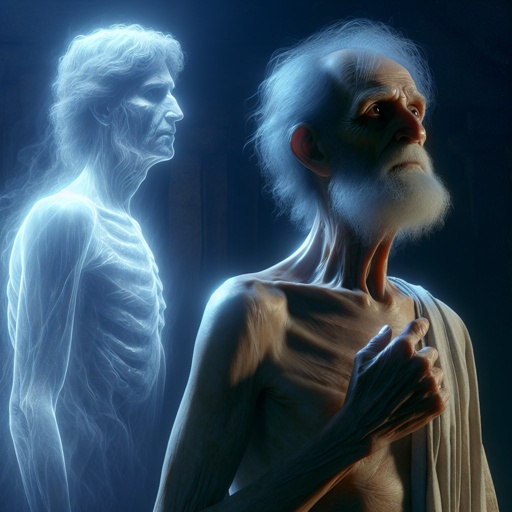
Genesis 25:17 - "And these are the years of the life of Ishmael, an hundred and thirty and seven years: and he gave up the ghost and died; and was gathered unto his people."

Genesis 25:25

Genesis 1:1-25

Genesis 17-17

Genesis 1:1-25

Genesis 1:1-25

Genesis 25-2

Genesis 25-18

Genesis 25-24

Genesis 25-7

Genesis 25-23

Genesis 25-14

Genesis 26:25

Genesis 50:25

Genesis 25:1

Genesis 21:25

Genesis 25-15

Genesis 25-26

Genesis 25-13

Genesis 50:25

Genesis 25-32

Genesis 25-6

Genesis 18-25

Genesis 25-16

Genesis 2:25

Genesis 18:25