The Gift of Inconceivable Promises
“And the LORD said unto Abraham, Wherefore did Sarah laugh, saying, Shall I of a surety bear a child, which am old?” — Genesis 18:13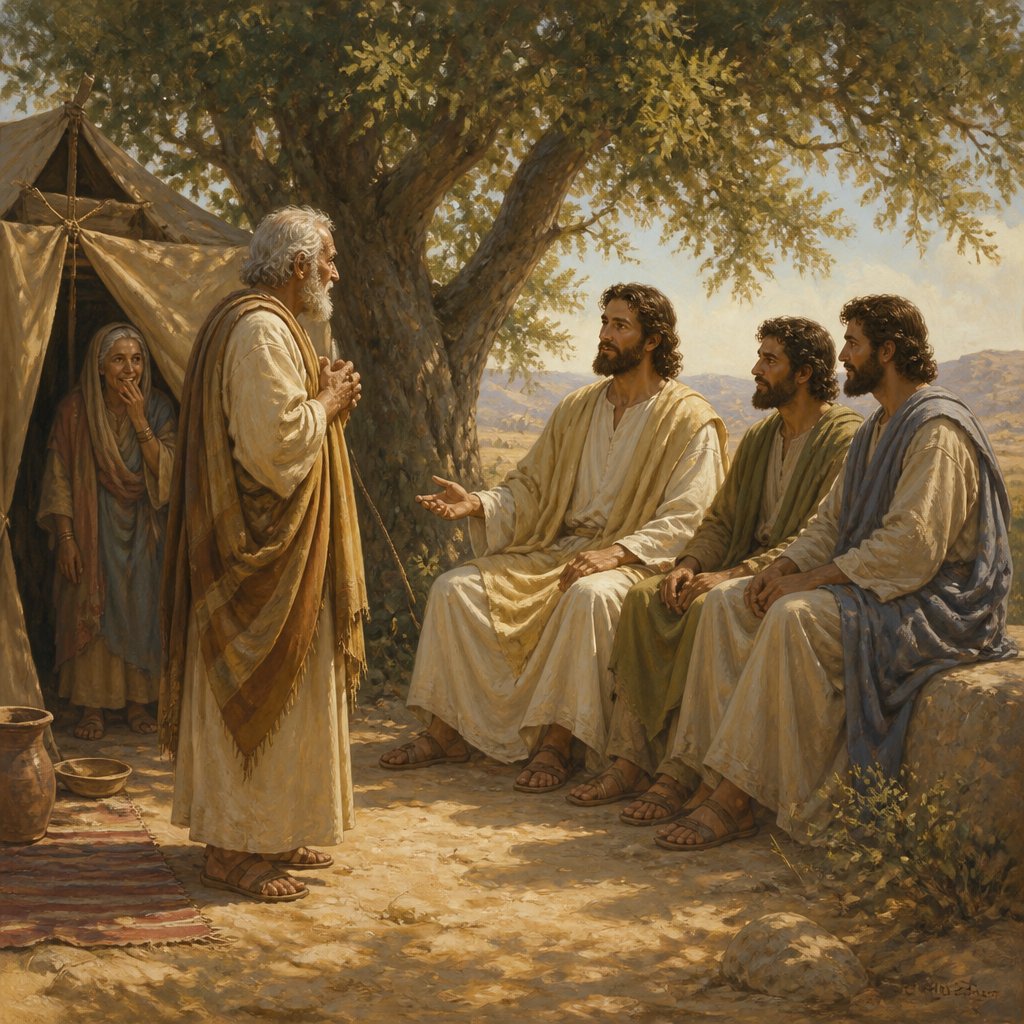
In Genesis 18:13, we encounter a deeply profound and challenging moment in the lives of Abraham and Sarah, two figures pivotal in the narrative of faith. The verse states, "And the LORD said unto Abraham, Wherefore did Sarah laugh, saying, Shall I of a surety bear a child, which am old?" This verse captures not just an inquiry from God but a revelation of human frailty, hope, and the miraculous power of divine promises.
Sarah’s laughter echoes down through scripture, illustrating the tension between human reality and divine possibilities. Here stands Sarah, aged and weary, accustomed to the disappointments of barrenness and the weight of unfulfilled promises. Abraham and Sarah had journeyed together in faith, enduring trials and tribulations—in many ways, they were emblematic of the struggles familiar to all of mankind. Yet in their profound moment of disbelief, they were not met with condemnation but inquiry and light.
When God posed the question to Abraham, it served a dual purpose. First, it revealed the human tendency to respond with laughter at the absurdity of impossibilities—a laughter rooted in disbelief. Sarah’s doubt was not an isolated incident; it’s a reflection of a very human heart that wrestles with the reality of waiting for God’s promises, especially as the years of expectation stretch on into the seemingly impossible. In the face of God’s promises, it can be challenging to reconcile our physical limitations and the temporal nature of our circumstances with the eternal, all-powerful nature of God.
The second layer of this inquiry illuminates God’s unwavering intent to fulfill His promises despite the natural order. The laughter of Sarah signifies a turning point. It draws the stark contrast between humanity's limitations and God's limitless capacity to create and sustain life. Despite Sarah’s advanced age, God was ready to act in a way that overturned her understanding of possibility. This brings us to a fundamental truth: God's purposes are not constrained by our limitations. He is often waiting for us to reach the end of our own resources before doing the miraculous.
In our lives, when we face the impossible, do we also respond with a chuckle of disbelief? Perhaps we have been praying for healing, restoration, or provision but have yet to see those promises materialize. It’s easy to fall into a rhythm of questioning, reframing our prayers with cautious skepticism. This interaction teaches us that while our doubts may arise, God encourages our hearts to shift from laughter born of disbelief to joy rooted in faith.
The Lord draws near, not to rebuke but to remind us that all things are possible with Him. Genesis 18 provides a pivot from doubt to expectancy, from disbelief to the realization of divine potential. Sarah, after her initial laugh, bore witness to her own miracle—a son named Isaac, laughter in its purest form, who signifies the fulfillment of God’s promise and the beginning of a new lineage waiting to echo His faithfulness.
As we meditate on this verse, let us bring our questions and doubts to God. Like Sarah, we often grapple with the concepts of age, time, and limitations. We might laugh at what we cannot understand or believe; yet, we are invited to recognize God’s invitation to laugh in joy when we witness His promises coming to fruition. In our natural instincts to want to manage situations and outcomes, may we surrender our wisdom to His leading.
In moments of doubt, let us echo the deep longing of Mary, another mother of promise, who said, "Be it unto me according to thy word" (Luke 1:38). Though it may seem implausible, may we embrace the peace of faith that allows us to restfully await the wondrous works of God. Let us allow faith to trump doubt, and laughter of joy replace the laughter of disbelief. God’s promise is true and sure; indeed, His word stands eternal.
Get our apps


Artwork for Genesis 18:13
Genesis 18-13

Genesis 18:13 - "And the LORD said unto Abraham, Wherefore did Sarah laugh, saying, Shall I of a surety bear a child, which am old?"
"And the LORD said unto Abraham, Wherefore did Sarah laugh, saying, Shall I of a surety bear a child, which am old?" - Genesis 18:13

Genesis 13:18 - "Then Abram removed his tent, and came and dwelt in the plain of Mamre, which is in Hebron, and built there an altar unto the LORD."

Genesis 13:18 Then Abram removed his tent, and came and dwelt in the plain of Mamre, which is in Hebron, and built there an Altar unto the LORD.
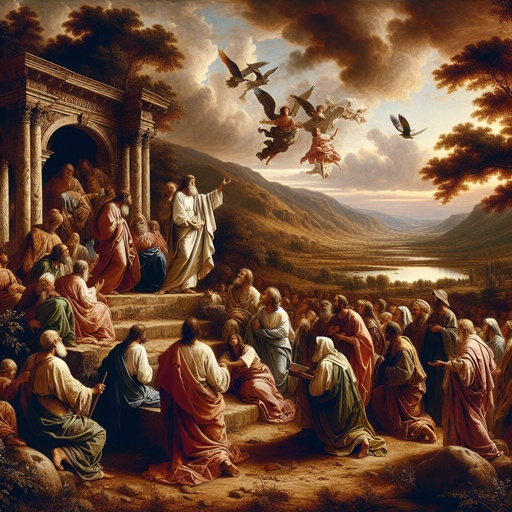
Genesis 18-18
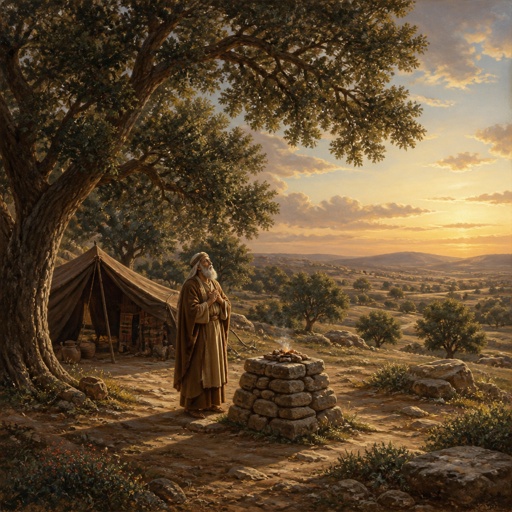
"Then Abram removed his tent, and came and dwelt in the plain of Mamre, which is in Hebron, and built there an altar unto the LORD." - Genesis 13:18

Genesis 24-18

Genesis 18-12

Genesis 18-26

Genesis 17-18

Genesis 18-32

Genesis 18-30

Genesis 18-25

Genesis 26:18

Genesis 22-18

Genesis 18-10

Genesis 18-16

Genesis 18:25

Genesis 18-9

Genesis 18-2

Genesis 18-19
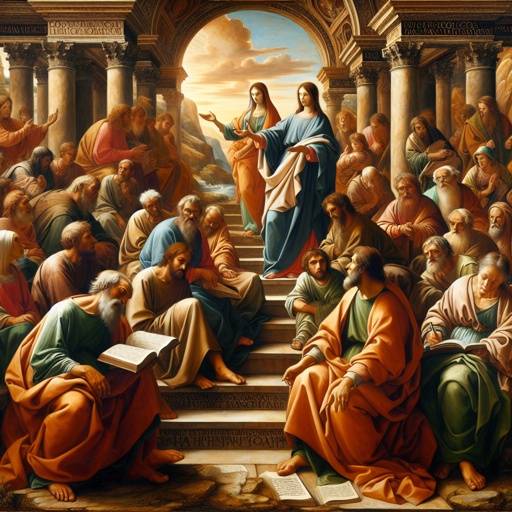
Genesis 15:18

Genesis 18-1

Genesis 23-18

Genesis 18-28

Genesis 18-14

Genesis 25-18

Genesis 18-22

Genesis 20-18