The Intercessor's Heart: Exploring Abraham's Plea
"And Abraham drew near, and said, Wilt thou also destroy the righteous with the wicked?" - Genesis 18:23
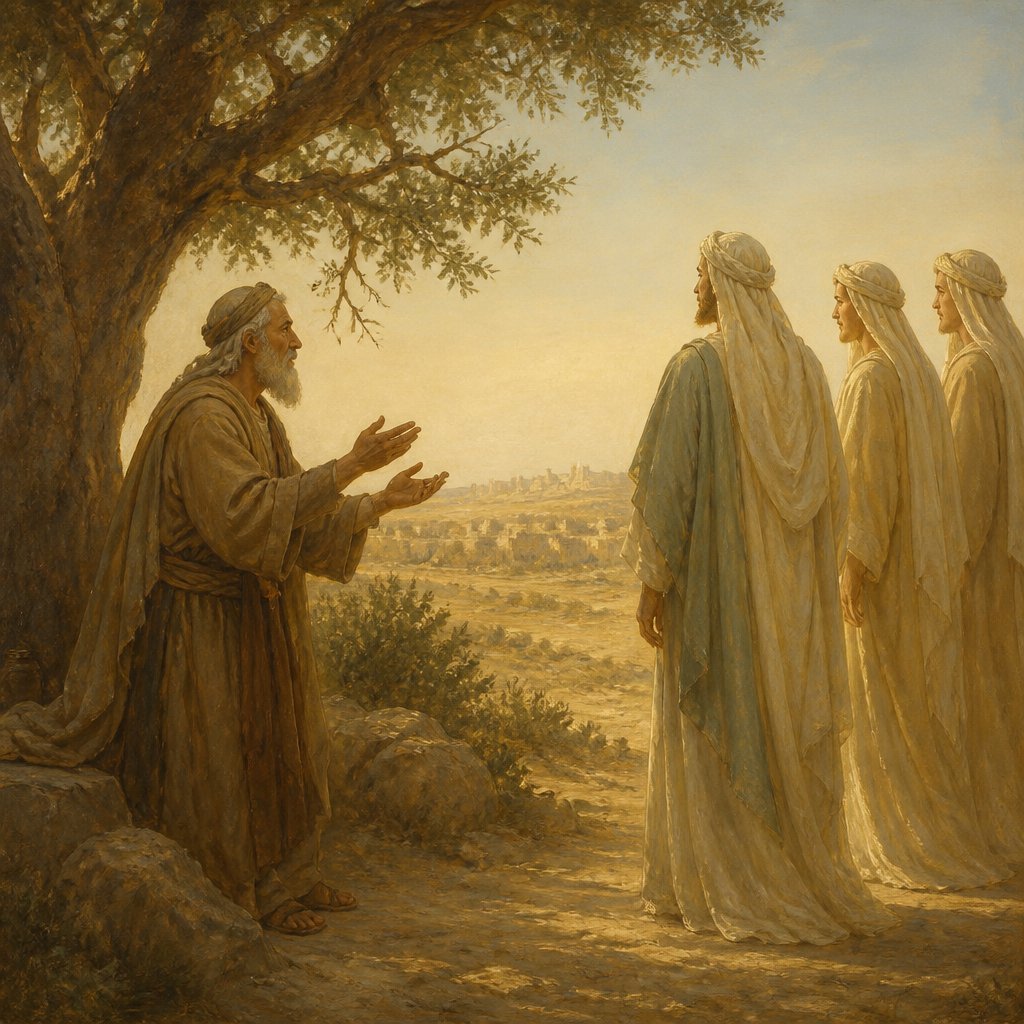
In the book of Genesis, we encounter a pivotal moment where the heart of a man reaches out to the heart of God. Genesis 18:23 reads, "And Abraham drew near, and said, Wilt thou also destroy the righteous with the wicked?" This single verse encapsulates a profound theological dialogue between a faithful servant of God and the Creator Himself, providing deep insights into the nature of intercession, the character of God, and our own role as advocates in prayer.
Abraham's journey is one marked by faith and obedience. Yet, here we find him not just as a follower, but as a courageous intercessor standing in the gap for the cities of Sodom and Gomorrah. Knowing the sinfulness of these cities had reached a climax, Abraham boldly approaches the Lord. His heart is filled with both urgency and compassion, as he contemplates the fate of the righteous amidst impending judgment. This position reveals an essential quality of God: His justice is inextricably linked to His mercy.
As we reflect on the backdrop of this plea, we see that God had already pronounced judgment upon these cities due to their pervasive wickedness. However, instead of withdrawing or hiding in fear of God's wrath, Abraham draws near. There is an important lesson here; to intercede means to draw closer to God in times of crisis. Ours is a calling to approach the throne of grace with confidence, a privilege made possible through Jesus Christ. Abraham did not approach in arrogance but with humility, recognizing both the severity of God’s judgment and the profound implications for those who might still be righteous.
Intercessory prayer mirrors the heart of Christ. As believers, we are called to embody the same spirit of intercession that Abraham demonstrated. We must ask ourselves: how often do we stand up for others, pleading their case before God? How often do we reach out in prayer for those who are lost, hurt, or trapped in the cycles of sin? Abraham dares to challenge God’s justice with the question, "Wilt thou also destroy the righteous with the wicked?" He is not advocating for sin; instead, he is illustrating the mercy of God, seeking to understand how His righteousness works in the context of His love.
Abraham’s boldness reveals the depth of his relationship with God. His understanding that God is compassionate and desires to save the lost enables him to speak out. This teaches us that effective intercession is fueled by a deep understanding of God’s character. We must know Him as just, but also as merciful, slow to anger, and abounding in steadfast love. As we draw near to God in prayer, we must come also with an understanding of His nature, ready to respond, watch, and listen.
Moreover, let us consider the significance of Abraham’s negotiation with God. He begins with the question of fifty righteous people and progressively moves to ten, displaying both his faith and his hope. We learn from this that while we may believe the situation is dire, there remains a remnant of faithfulness that God honors. Abraham’s willingness to step into this negotiation reflects a larger truth: God’s desire for the righteous to be salvaged even in the presence of overwhelming wickedness.
In these times of uncertainty in our own world, let us take to heart the example of Abraham. We must not shy away from our role as intercessors for our families, communities, and nations. Will we cry out for justice but also for mercy? Will we advocate for the righteous while diligently seeking the salvation of the wicked? Let us become those who draw near, speaking truth and love boldly before the Lord, remembering His patience and unyielding desire to save. Abraham's heart, engaged in this holy dialogue, becomes a model for us all as we engage with God in prayer.
May we bring our burdens and the cries of the righteous before God today, standing firm in the hope that He is merciful and just, ever eager to hear our pleas.
Want to reflect more on Genesis 18:23?
Continue your spiritual journey with Bible Chat — an AI-powered tool for exploring God's Word through conversation. Ask questions, discover connections, and deepen your understanding.
Get Our Apps


Genesis 18:23 Artwork

Genesis 18-23
Genesis 18:23 - "¶ And Abraham drew near, and said, Wilt thou also destroy the righteous with the wicked?"
"¶ And Abraham drew near, and said, Wilt thou also destroy the righteous with the wicked?" - Genesis 18:23

Genesis 18:23-32 - "Genesis 18:23-32: Then Abraham approached him and said: “Will you sweep away the righteous with the wicked? What if there are fifty righteous people in the city? Will you really sweep it away and not spare the place for the sake of the fifty righteous people in it? Far be it from you to do such a thing—to kill the righteous with the wicked, treating the righteous and the wicked alike. Far be it from you! Will not the Judge of all the earth do right?” The Lord said, “If I find fifty righteous people in the city of Sodom, I will spare the whole place for their sake.” Then Abraham spoke up again: “Now that I have been so bold as to speak to the Lord, though I am nothing but dust and ashes, what if the number of the righteous is five less than fifty? Will you destroy the whole city for lack of five people?” “If I find forty-five there,” he said, “I will not destroy it.” Once again he spoke to him, “What if only forty are found there?” He said, “For the sake of forty, I will not do it.” Then he said, “May the Lord not be angry, but let me speak. What if only thirty can be found there?” He answered, “I will not do it if I find thirty there.” Abraham said, “Now that I have been so bold as to speak to the Lord, what if only twenty can be found there?” He said, “For the sake of twenty, I will not destroy it.” Then he said, “May the Lord not be angry, but let me speak just once more. What if only ten can be found there?” He answered, “For the sake of ten, I will not destroy it.”"
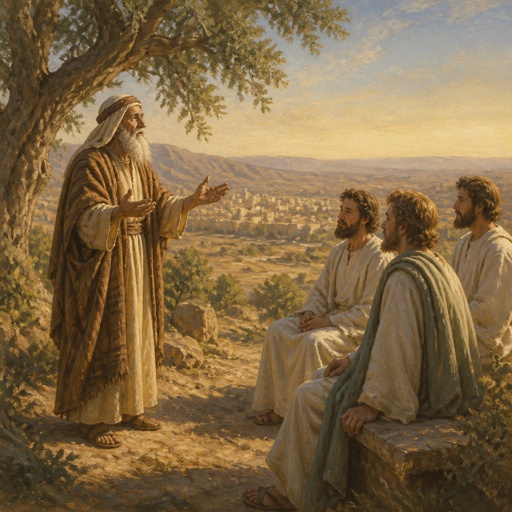
"Genesis 18:23-32: Then Abraham approached him and said: “Will you sweep away the righteous with the wicked? What if there are fifty righteous people in the city? Will you really sweep it away and not spare the place for the sake of the fifty righteous people in it? Far be it from you to do such a thing—to kill the righteous with the wicked, treating the righteous and the wicked alike. Far be it from you! Will not the Judge of all the earth do right?” The Lord said, “If I find fifty righteous people in the city of Sodom, I will spare the whole place for their sake.” Then Abraham spoke up again: “Now that I have been so bold as to speak to the Lord, though I am nothing but dust and ashes, what if the number of the righteous is five less than fifty? Will you destroy the whole city for lack of five people?” “If I find forty-five there,” he said, “I will not destroy it.” Once again he spoke to him, “What if only forty are found there?” He said, “For the sake of forty, I will not do it.” Then he said, “May the Lord not be angry, but let me speak. What if only thirty can be found there?” He answered, “I will not do it if I find thirty there.” Abraham said, “Now that I have been so bold as to speak to the Lord, what if only twenty can be found there?” He said, “For the sake of twenty, I will not destroy it.” Then he said, “May the Lord not be angry, but let me speak just once more. What if only ten can be found there?” He answered, “For the sake of ten, I will not destroy it.”" - Genesis 18:23-32

Genesis 23-18

Genesis 23:18 - "Unto Abraham for a possession in the presence of the children of Heth, before all that went in at the gate of his city."
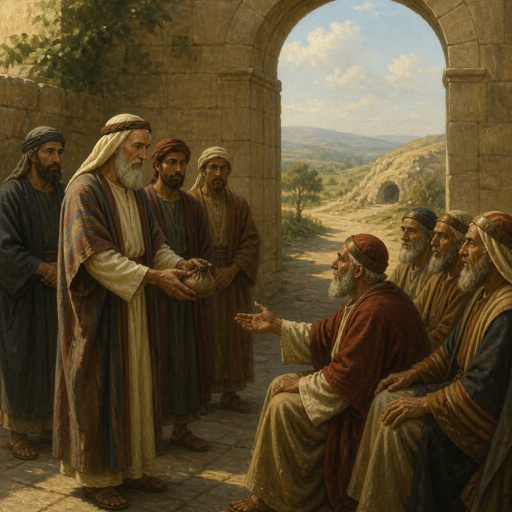
"Unto Abraham for a possession in the presence of the children of Heth, before all that went in at the gate of his city." - Genesis 23:18
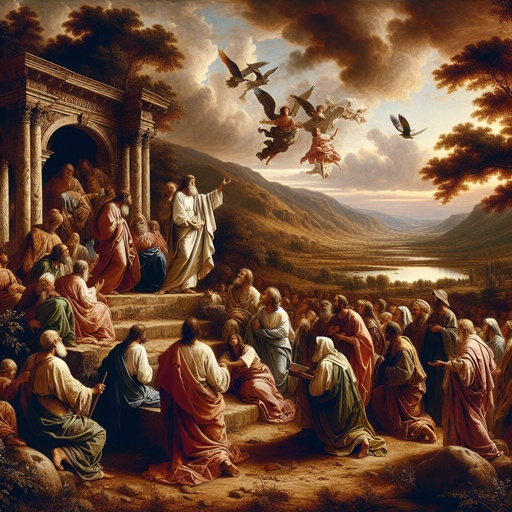
Genesis 18-18

Jeremiah 23:18

Genesis 23-19

Genesis 23-3

Genesis 23-13

Genesis 23-17

Genesis 23:11

Genesis 23-9

Genesis 23:2

Genesis 23-5

Genesis 23-12

Genesis 23-4

Genesis 23-16

Genesis 17-23

Genesis 23:1

Genesis 23-10

Genesis 23-6

Genesis 23-8

Genesis 25-23

Genesis 19-23

Genesis 22-23

Genesis 23-14