The Creators Touch: Manifestation of Life in Diversity
“And God said, Let the earth bring forth the living creature after his kind, cattle, and creeping thing, and beast of the earth after his kind: and it was so.” — Genesis 1:24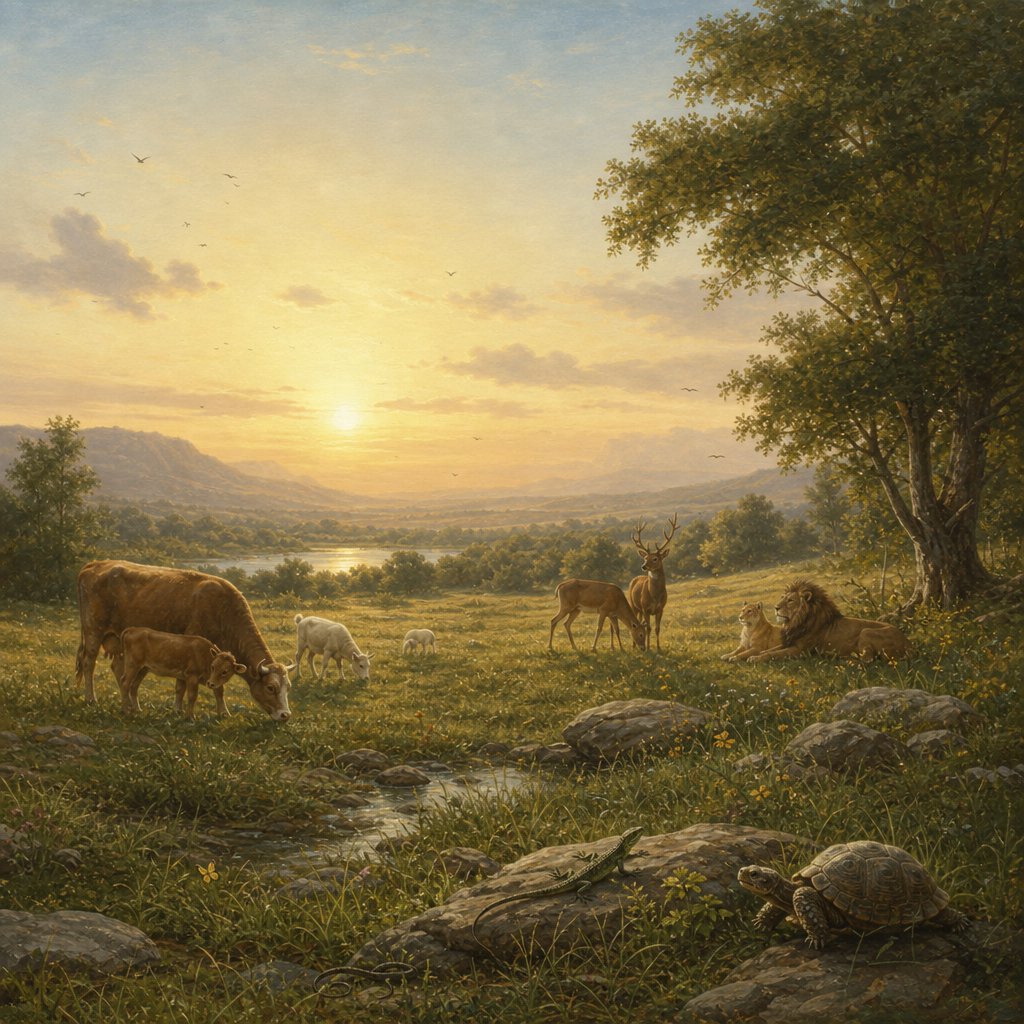
In the opening chapters of Genesis, we are greeted with a magnificent portrayal of God as the omnipotent Creator, establishing the foundations of the universe with sheer power and divine intention. Genesis 1:24 details a pivotal moment in this divine orchestration: "And God said, Let the earth bring forth the living creature after his kind, cattle, and creeping thing, and beast of the earth after his kind: and it was so." These words echo with profound significance, revealing the complexity and beauty of life intended by the Creator.
The phrase "Let the earth bring forth" signifies a command—a divine directive for creation to unfold. What is particularly remarkable about this verse is the emphasis on the variety of life. God, in His wisdom, decreed that each living creature would be formed "after his kind." This notion doesn't merely speak to a biological system of order within creation, but rather highlights the creative intention behind each species, emphasizing the individuality and uniqueness of every living being.
As we reflect on this passage, we recognize that this verse invites us to consider the diversity of God’s creation—from the majestic cattle grazing in the pastures to the small, persistent creeping things that scuttle about beneath our feet. Each creature, each insect, has been designed with purpose and intent, echoing God's creativity and multifaceted nature. This invites us to appreciate not only the beauty of the cosmos but also the beauty that lies within our own relationships and the human heart, reminding us of the vastness and richness of life that stems from a singular source—God.
The distinction between the "cattle" and the "beast of the earth" indicates that God delights in variety. He did not merely create one type of creature but varied forms that would inhabit the earth, each suited for its specific environment and role. This creates a delicate tapestry of life that functions symbiotically. Moreover, the term "creeping things" reminds us of creatures often overlooked, yet essential for the ecosystem's balance. In our lives, how often do we neglect the small acts of kindness or the humble roles played by others, considering them insignificant? Genesis 1:24 calls us to honor every part of creation as interconnected, unique, and inherently valuable.
And then we see, "and it was so." This declaration underscores the reliability of God's word. When God speaks, creation responds. This instills a sense of trust and assurance in us as we navigate life’s unpredictability. God's intention transcends doubt. What He commands, happens. As believers, this is foundational: God’s promise and purpose are steadfast. When He places desires in our hearts or calls us to a specific ministry, we can express confidence that He will manifest His will—that it will be so.
Additionally, this scripture beckons us to reflect on our calling as stewards of creation. If every creature is made after its own kind, then we too are called to embody the image of the Creator. We are invited to understand that our identity is not merely a matter of biological inheritance but rather a spiritual inheritance of being made in the likeness of God—creatures who can reflect His love, creativity, and compassion into the world.
In conclusion, Genesis 1:24 is profoundly theological and existential. It encourages us to appreciate the complexity of life around us, reinforces the reliability of God’s word, and invites us to embrace our calling as stewards of creation. As we honor the diversity of life and recognize our connections to it, we reflect the glory of the Creator who spoke everything into existence—setting into motion not just a system of life, but an intricate dance of relationships, responsibilities, and remarkable beauty. May we, in our daily lives, reverberate the truth of God’s creative touch and seek to celebrate and nurture the life around us.
Get our apps


Artwork for Genesis 1:24

Genesis 1:24 - "¶ And God said, Let the earth bring forth the living creature after his kind, cattle, and creeping thing, and beast of the earth after his kind: and it was so."

"¶ And God said, Let the earth bring forth the living creature after his kind, cattle, and creeping thing, and beast of the earth after his kind: and it was so." - Genesis 1:24

Genesis 24:1

Genesis 24:1

Genesis 24:1 - "And Abraham was old, and well stricken in age: and the LORD had blessed Abraham in all things."

Genesis 24:24

Genesis 24-26

Genesis 24-21

Genesis 24-7

Genesis 24-55

Genesis 3:24

Genesis 24-59

Genesis 24:60

Genesis 24-50

Genesis 24-54

Genesis 24:36

Genesis 24-61

Genesis 24-41

Genesis 25-24

Genesis 24-62

Genesis 24-56

Genesis 24-53

Genesis 24-63

Genesis 24-15

Genesis 24-66

Genesis 24-48

Genesis 24-43

Genesis 21-24

Genesis 19:24

Genesis 24:28