The Righteous Intercession: Lessons from Abimelech's Prayer
"But Abimelech had not come near her: and he said, Lord, wilt thou slay also a righteous nation?" - Genesis 20:4

The narrative of Genesis 20 unfolds a dramatic confrontation between divine sovereignty and human morality. In this chapter, we encounter Abimelech, the king of Gerar, who unknowingly takes Sarah, the wife of Abraham, into his palace, believing her to be a single woman. Abraham, fearing for his own life, had introduced Sarah as his sister. This incident reveals the complexity of human relationships, the frailty of human decision-making, and the unflinching justice of God.
The verse that captures our attention is Genesis 20:4, which reads, "But Abimelech had not come near her: and he said, Lord, wilt thou slay also a righteous nation?" At first glance, this plea may seem like an irreverent challenge to God, particularly from a man who is not part of Abraham's covenant community. Yet, upon deeper examination, Abimelech's words resound with profound theological implications and insights into God's character.
Abimelech demonstrates a sincere consciousness of morality. Although he is a foreign king, Abimelech recognizes the gravity of sin and its potential consequences. His question to the Lord highlights an essential truth: that God is deeply concerned with justice, not only for Israel but for all nations. The king's understanding of righteousness suggests that he possesses a moral compass guided by conscience — a sense of right and wrong that transcends his idolatrous culture.
When Abimelech says, "wilt thou slay also a righteous nation?" he invokes the idea that God’s judgments must reflect His nature as a righteous and just deity. Abimelech perceived that his nation had not sinned in this matter, and he was right in appealing to God’s sense of justice. This moment is a reminder for us to consider how our actions impact those around us. Abimelech's inquiry challenges us to reflect on the character of God, who is active in all nations and manifests His justice even in situations where human decisions are flawed.
In Abimelech's situation, we can draw parallels to our lives. We might find ourselves amidst a culture that does not share our values or beliefs. Like Abimelech, we may need to stand firm in our convictions while urging God to act justly. How often do we feel a burden for our communities, posed with ethical dilemmas that challenge our faith? When facing injustice or moral decline, we ought to be like Abimelech, who boldly interceded for his nation before God.
Furthermore, Abimelech's statement indicates his deep concern for the well-being of his nation. It serves as a reminder for us to intercede not only for ourselves but for those around us. Are we praying for our communities, asking that God would spare them from judgment? In a world that often seems rife with chaos and moral ambiguity, the call for the people of God is to earnestly seek the well-being of their nations, presenting appeals before the throne of grace.
As we reflect on Abimelech's plea, let us remember that God hears the cries of those who seek righteousness. His judgment is tempered by His mercy. Despite Abraham's deception, God intervened to protect both Sarah and Abimelech's integrity. We, too, can trust in God’s redemptive work within our communities and in our lives. He desires to restore relationships, bringing about healing and truth amidst confusion and falsehood.
In conclusion, Genesis 20:4 is an invitation to examine our own hearts and the state of our communities. As we navigate the complexities of life, let us maintain a posture of intercession, recognizing that righteousness matters to God and that our prayers can make a difference. May we echo Abimelech's heartfelt plea: 'Lord, spare our nation; let Your righteousness prevail.' In doing so, we align ourselves with God’s heart and purpose for the world.
Want to reflect more on Genesis 20:4?
Continue your spiritual journey with Bible Chat — an AI-powered tool for exploring God's Word through conversation. Ask questions, discover connections, and deepen your understanding.
Get Our Apps


Genesis 20:4 Artwork

Genesis 20-4

Genesis 20:4 - "But Abimelech had not come near her: and he said, Lord, wilt thou slay also a righteous nation?"

"But Abimelech had not come near her: and he said, Lord, wilt thou slay also a righteous nation?" - Genesis 20:4

Genesis 4:20 - "And Adah bare Jabal: he was the father of such as dwell in tents, and of such as have cattle."
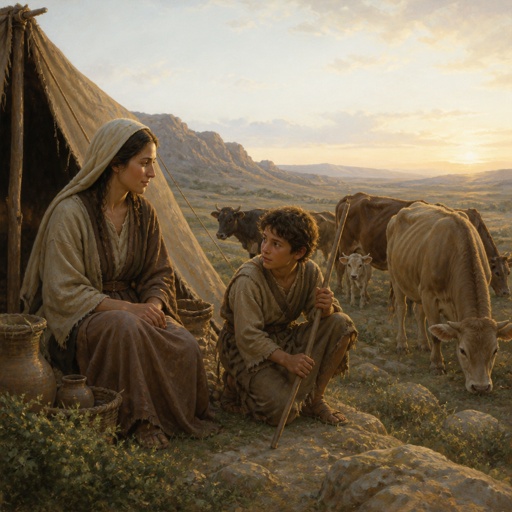
"And Adah bare Jabal: he was the father of such as dwell in tents, and of such as have cattle." - Genesis 4:20

Genesis 20

Genesis 20-18

Genesis 20-13

Genesis 20-16

Genesis 15:20

Genesis 20-1

Genesis 20-15

Genesis 18-20

Genesis 19-20

Genesis 20-17

Genesis 20-3

Genesis 20-7

Genesis 23-20

Genesis 20-19

Genesis 20-8

Genesis 28-20

Genesis 20-12

Genesis 20-10

Genesis 20-11

Genesis 22-20

Genesis 21-20

Genesis 20:9

Genesis 20-2

Genesis 20-14

Genesis 20-5