The Ripple Effect of Our Actions
“Then Abimelech called Abraham, and said unto him, What hast thou done unto us? and what have I offended thee, that thou hast brought on me and on my kingdom a great sin? thou hast done deeds unto me that ought not to be done.” — Genesis 20:9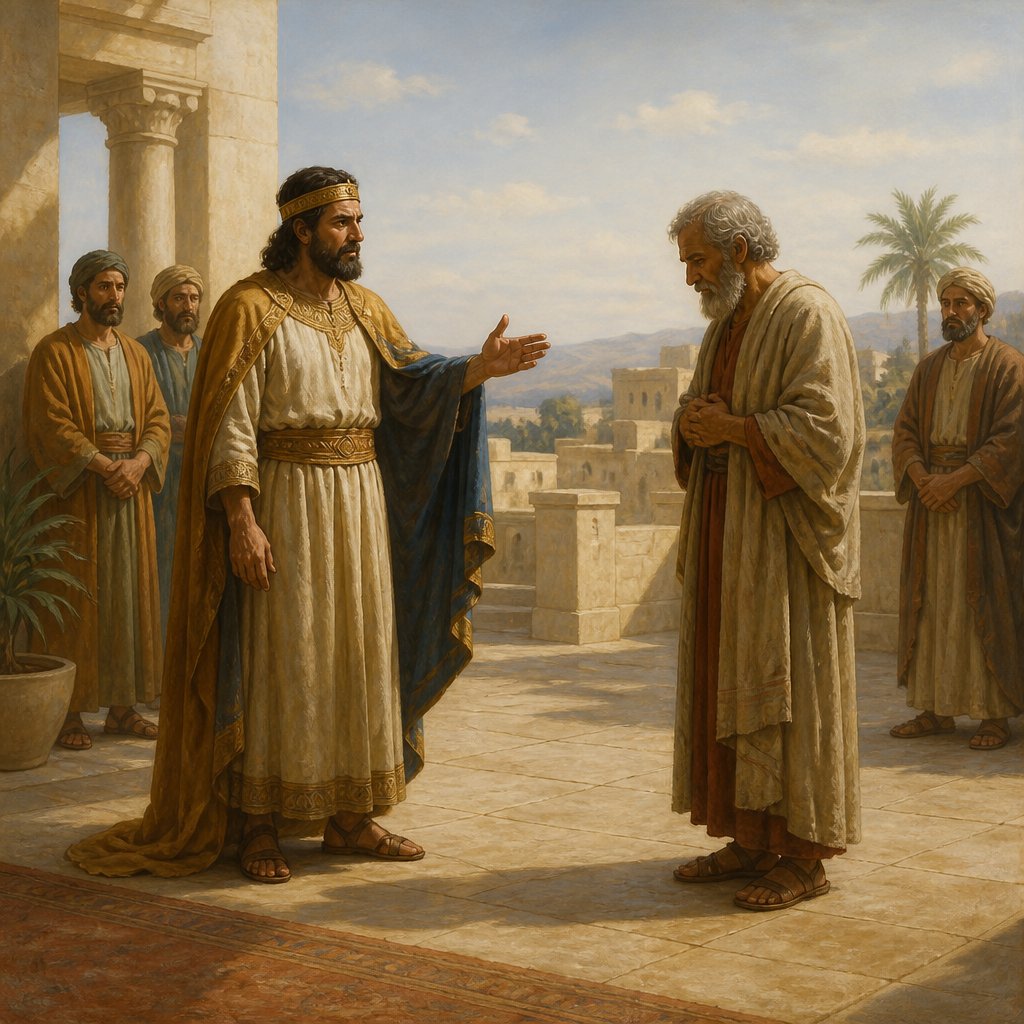
In Genesis 20:9, we find an intriguing encounter between Abimelech, the king of Gerar, and Abraham, the father of faith. The verse states: "Then Abimelech called Abraham, and said unto him, What hast thou done unto us? and what have I offended thee, that thou hast brought on me and on my kingdom a great sin? thou hast done deeds unto me that ought not to be done" (KJV). This passage invites us to reflect profoundly on the implications of our actions, not only on our lives but also on those around us.
The context of this verse is essential for understanding its implications. Abraham, as he journeyed through the land, feared for his life because of the beauty of his wife, Sarah. In a bid to protect himself, he misrepresented her as his sister, which led Abimelech to take Sarah into his harem, believing he could safely add her to his household. Abraham's intentions may have been rooted in self-preservation, but his decision unleashed a series of events that could have led to dire consequences, not only for himself and Sarah but also for an entire kingdom.
Abimelech's response is telling. His words, "What hast thou done unto us?" echo a deep sense of betrayal and confusion. He had acted in good faith, yet found himself entangled in a situation that brought serious sin upon his kingdom. Abimelech felt the weight of this sin, realizing that the implications of Abraham’s deception extended far beyond personal repercussions; they affected an entire nation. This reminds us that our choices are interconnected with the lives of others. We are not only responsible for ourselves but also for how our actions might impact our families, our friends, our communities, and even the world around us.
As believers, we ought to ask ourselves: How often do we act without considering the ripple effects of our decisions? Abraham, revered for his faith, reveals a moment of weakness rooted in fear. His decision to lie was not motivated by malice but by a desire for self-preservation. How many times do we find ourselves in similar positions, choosing our immediate needs or fears over honesty and integrity? In our modern context, our actions might not lead to kings being offended, but they can certainly lead to heartbreak and disappointment in our relationships, workplaces, and wider communities.
Abimelech’s concern for his kingdom’s moral standing highlights a crucial point: our sins are rarely isolated. The sin of one can impact many. The scripture teaches us about the corporate nature of sin. Like ripples on a pond, the consequences of our actions extend far and wide, affecting people and situations we might never fully comprehend.
So what do we learn from this encounter? First, we recognize the importance of integrity in our dealings with one another. The call to honesty is often difficult, especially when facing fears or uncertainties, but God desires truth in our hearts. Psalm 51:6 reminds us, “Behold, thou desirest truth in the inward parts.” This verse challenges us to reflect on our motivations and to ensure they are rooted in honesty and openness.
Second, we are reminded that accountability is a vital part of our Christian walk. We must be open to correction when we err and be willing to seek reconciliation when our actions cause harm. Abimelech did not hesitate to confront Abraham, calling him to account for the actions that jeopardized not only his own well-being but that of his kingdom.
Lastly, this passage should inspire us to consider the legacy of our actions. When we choose integrity, courage, and truth, we set a foundation for the next generation. Our character impacts how others perceive God’s nature and His justice. We, like Abraham, can either reflect God’s light or cast shadows through our decisions. Let us strive to bring glory to His name through our lives, ensuring that we act in ways that promote unity and righteousness in the body of Christ.
In conclusion, Genesis 20:9 serves as a potent reminder that every action we take reverberates in ways we may not anticipate. May we seek to live out our faith with integrity, always conscious of the wider world influenced by our choices, and committed to fostering a community of honesty and grace.
Get our apps


Artwork for Genesis 20:9

Genesis 20:9

Genesis 20:9 - "Then Abimelech called Abraham, and said unto him, What hast thou done unto us? and what have I offended thee, that thou hast brought on me and on my kingdom a great sin? thou hast done deeds unto me that ought not to be done."
"Then Abimelech called Abraham, and said unto him, What hast thou done unto us? and what have I offended thee, that thou hast brought on me and on my kingdom a great sin? thou hast done deeds unto me that ought not to be done." - Genesis 20:9

Genesis 9:20 - "And Noah began to be an husbandman, and he planted a vineyard:"
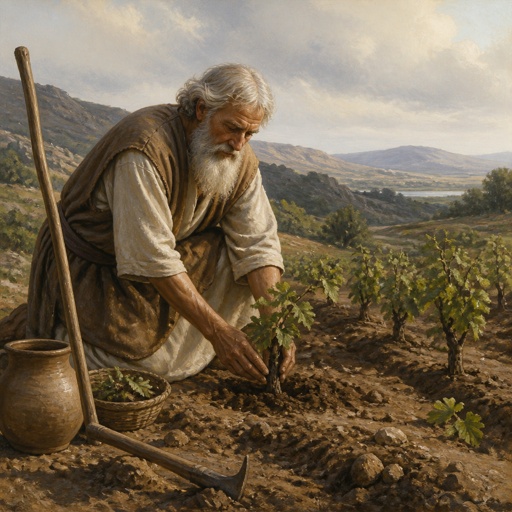
"And Noah began to be an husbandman, and he planted a vineyard:" - Genesis 9:20

Genesis 20

Genesis 20-18

Genesis 20-13

Genesis 20-16

Genesis 15:20

Genesis 20-4

Genesis 20-1

Genesis 20-15

Genesis 18-20

Genesis 19-20

Genesis 20-17

Genesis 20-3

Genesis 20-7

Genesis 23-20

Genesis 20-19

Genesis 20-8

Genesis 28-20

Genesis 20-12

Genesis 20-10

Genesis 20-11

Genesis 22-20

Genesis 21-20

Genesis 20-2

Genesis 20-14

Genesis 20-5