The Covenant of Faithfulness: Lessons from Abraham and Abimelech
“And Abraham took sheep and oxen, and gave them unto Abimelech; and both of them made a covenant.” — Genesis 21:27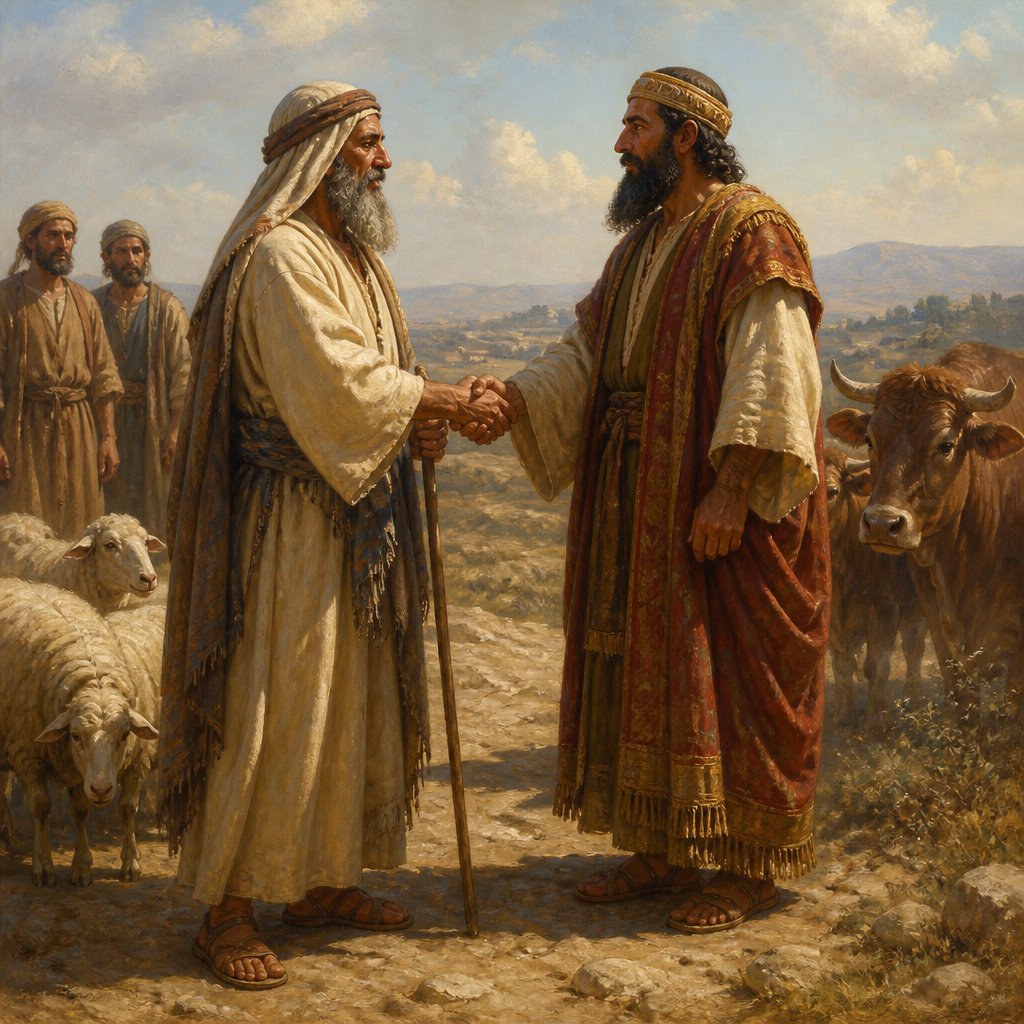
In the rich tapestry of the Old Testament, few narratives encapsulate the themes of faithfulness, trust, and covenantal relationships as profoundly as the encounter between Abraham and Abimelech in Genesis 21:27. The Scripture states, "And Abraham took sheep and oxen, and gave them unto Abimelech; and both of them made a covenant." This brief yet powerful verse bridges the deep significance of God’s promises and the human mandate for integrity and peace.
To understand the essence of this covenant, we must first delve into the context surrounding this moment. Abraham, the patriarch known for his unwavering faith in God, had settled in the land of Canaan, where he encountered Abimelech, the king of Gerar. Earlier in Genesis, we see glimpses of Abraham's struggles, including the fear he experienced concerning his wife, Sarah, and the resulting deception. Yet through this encounter with Abimelech, we witness a man who seeks to make amends not just for the past but also to establish a future rooted in mutual respect and trust.
Abraham’s action of taking sheep and oxen to give to Abimelech signifies more than the transference of livestock; it is a gesture laden with intention and honor. Livestock in Abraham's time represented wealth, sustenance, and status. By offering these gifts, Abraham acknowledged the king's position while simultaneously implying a desire for reconciliation. This act sets a tone of sincerity, emphasizing that covenants are not merely agreements but commitments borne out of relationship, respect, and responsibility.
Covenant-making in the Biblical context is a sacred act, designed to forge bonds and affirm promises. The covenants established throughout Scripture demonstrate God’s unchanging nature and His commitment to humanity combined with humanity's response. Abraham entering a covenant with Abimelech mirrors God's covenant with Abraham himself—a divine promise wrapped in the assurance of faithfulness. It reminds us that the covenant between God and humanity finds its echoes in our earthly relationships.
As Christians, the concept of covenant extends beyond Old Testament practices. We find in Christ the ultimate fulfillment of covenant. Ephesians 2:13 reminds us that, "But now in Christ Jesus ye who sometimes were far off are made nigh by the blood of Christ." In this light, we see that our earthly covenants reflect a greater spiritual reality. We are called not just to make agreements but to embody the essence of faithfulness, to model the character of Christ in our interactions and commitments to one another.
Furthermore, when we enter into agreements, whether they are formal licenses or personal relationships, we should remember the attitude of Abraham. His actions of giving and establishing a covenant teach us to approach similar situations with humility, integrity, and a readiness to build bridges rather than barriers.
Covenant-keeping is illustrated through how we conduct our dealings with one another, nurturing trust, and ensuring accountability. As believers, we should emulate Abraham's heart—one that seeks peace and harmony. In an age characterized by division and discord, may we be instruments of reconciliation, dedicating ourselves to genuine relationships forged in love.
In times of conflict or misunderstanding, let us remember the choices Abraham made. Let us also acknowledge our own covenant with the Lord, holding it sacred and working diligently to reflect it in our earthly relations. As we navigate the complexities of interpersonal relationships, may we always aspire to offer what is valuable—in substance and spirit—trusting that, like the covenant between Abraham and Abimelech, our actions can forge pathways of blessing and honor.
In conclusion, Genesis 21:27 is not merely a historical record but a divine reminder of our calling to live in peace, generosity, and faithfulness with one another, reflecting the steadfast love of God in our midst. Let us take this challenge and strive to be peacemakers, covenanteers of love, and faithful servants of our God.
Get our apps


Artwork for Genesis 21:27

Genesis 21-27

Genesis 21:27 - "And Abraham took sheep and oxen, and gave them unto Abimelech; and both of them made a covenant."
"And Abraham took sheep and oxen, and gave them unto Abimelech; and both of them made a covenant." - Genesis 21:27
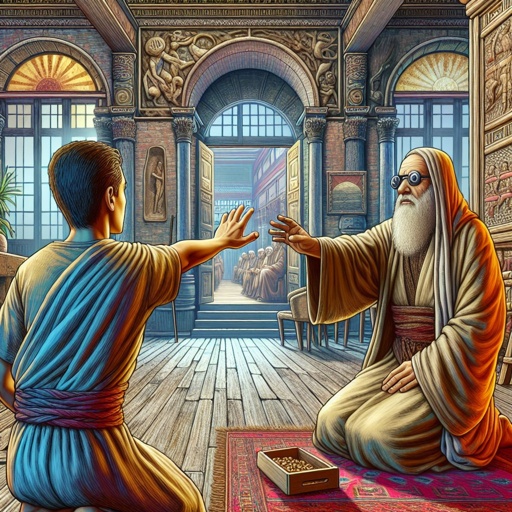
Genesis 27:21 - "And Isaac said unto Jacob, Come near, I pray thee, that I may feel thee, my son, whether thou be my very son Esau or not."

Genesis 27:21 KJV And Isaac said unto Jacob, Come near, I pray thee, that I may feel thee, my son, whether thou be my very son Esau or not.

Genesis 21-21

Genesis 27:32

Genesis 27:5

Genesis 25-27

Genesis 17-27

Genesis 18-27

Genesis 24-27

Genesis 19-27

Amos 5:21-27

Exodus 27:19-21

Genesis 10:27 - "And Hadoram, and Uzal, and Diklah,"

Genesis 1:21

Genesis 1:21

Genesis 27:10 KJV

Genesis 27:18-19

Genesis 27:1-3

Genesis 36:27 - "The children of Ezer are these; Bilhan, and Zaavan, and Akan."

Genesis 21-20

Genesis 21-6

Genesis 21-13

Genesis 21-10

Genesis 21-34

Genesis 21-2

Genesis 21-7
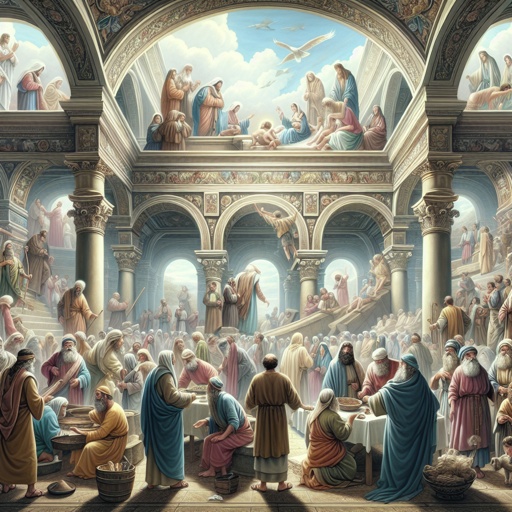
Genesis 21-32