Roots of Faith: Planting Trust in God
“And Abraham planted a grove in Beer-sheba, and called there on the name of the LORD, the everlasting God.” — Genesis 21:33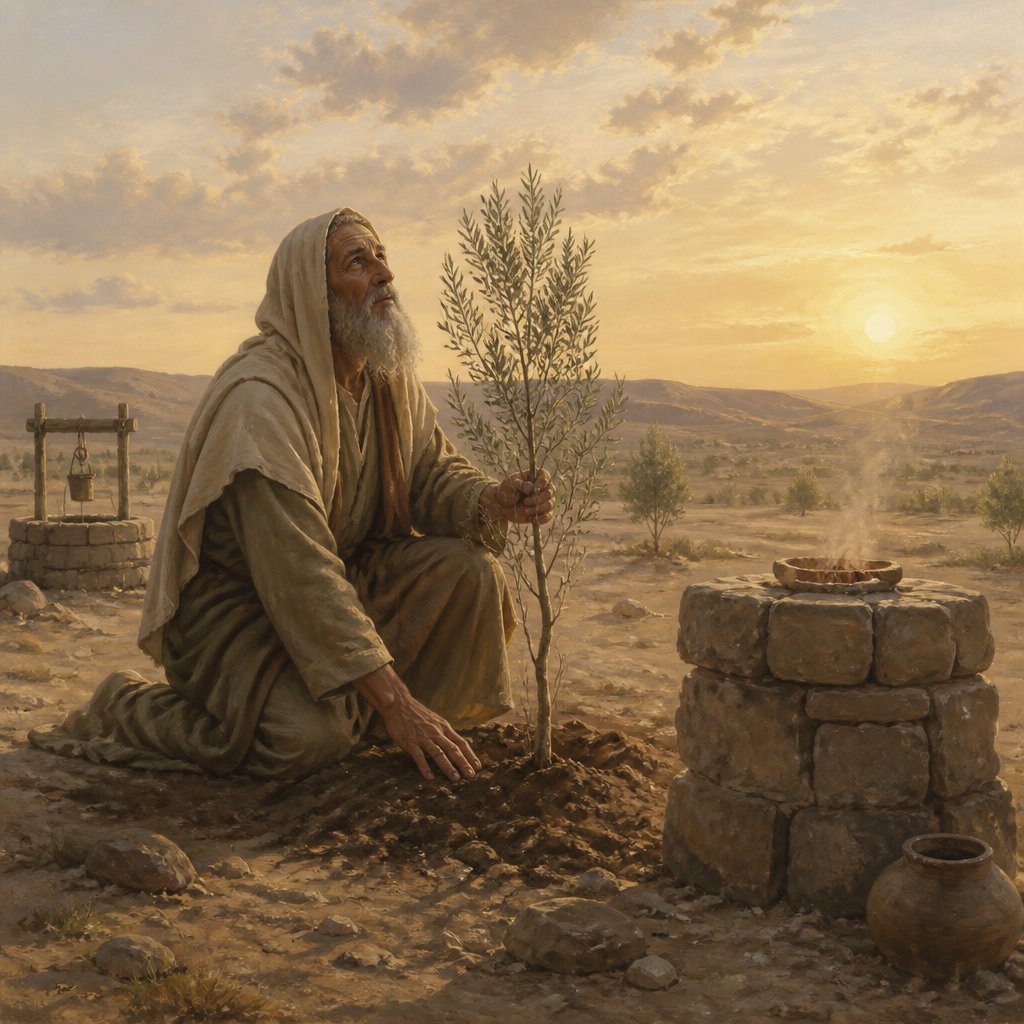
Genesis 21:33 states, "And Abraham planted a grove in Beer-sheba, and called there on the name of the LORD, the everlasting God." This simple yet profound act of Abraham holds a wealth of truth and significance that can deepen our understanding of how we can live a life rooted in faith and connection with our Almighty God.
To plant a grove is not merely to put seeds in the ground; it symbolizes an investment in the future, an establishment of permanence. Abraham, the father of faith, was a man of profound spiritual insight and deeper relationships with God. His action of planting a grove in Beer-sheba indicates a dedicated place for worship, reflection, and fellowship with God. In this act, he acknowledged God’s everlasting nature, the foundation upon which he built his trust and life.
Beer-sheba, the place where Abraham planted, means ‘well of the oath.’ This name is significant as it recalls the covenant promises made by God to Abraham. It serves as a reminder that God's promises are not merely temporary or fleeting but everlasting. Likewise, when we plant our own groves, we are essentially declaring to the world and to ourselves that we believe in God's eternality and faithfulness.
Abraham did not simply plant trees; he cultivated a space where he could remember the promises of God. Each tree in that grove could represent a prayer or promise, rooted deeply, intertwining in the divine narrative of his life. It prompts us to ask ourselves: what kinds of seeds are we planting in our own lives? Do we plant seeds of doubt and fear, or do we look toward God, the everlasting God, and cultivate seeds of faith?
In calling on the name of the Lord, Abraham demonstrated a relationship built on communication and reverence. When we call on God, we acknowledge His sovereignty over our lives. To call upon His name means to invoke not just His power, but His presence, His character, and His eternal nature. As Paul writes in Romans 10:13, "For whosoever shall call upon the name of the Lord shall be saved." This call is a testament to our dependence on Him, an acknowledgment that apart from Him, we can do nothing (John 15:5).
Life is filled with challenges, uncertainties, and trials. Yet, when we look at the faithfulness of Abraham, we see a man who encountered many trials— famine, relocation, the struggle to have children. Yet through it all, he remained anchored in the trust of God’s everlasting promises. Just as Abraham called on the Lord, let us also make a conscious effort to call upon Him in our groves, making it a habit to intentionally turn towards God when faced with life’s adversities.
The act of planting a grove also invites us to consider community. When we establish our spiritual groves, we are creating environments not just for ourselves, but also for those around us. Just as trees in a grove provide shade, protection, and sustenance, our faith, when shared with others, can become a source of encouragement and strength. How can we invite others into our groves? It may be through Bible study, prayer meetings, or even simple acts of kindness and fellowship, as we endeavor to live out the call to love one another.
In conclusion, the example of Abraham teaches us about establishing a life rooted in faith, calling on the Lord, and reflecting on the everlasting legacy we leave behind. Just as he was able to declare the sovereignty of God over his life, let us strive to plant our own groves in our hearts and communities—spaces where we can experience the faithfulness of the everlasting God, proclaim His promises, and draw others into the light of His glory. May our lives reflect a growing grove of faith that will stand the test of time.
Get our apps


Artwork for Genesis 21:33

Genesis 21-33

Genesis 21:33 - "¶ And Abraham planted a grove in Beer-sheba, and called there on the name of the LORD, the everlasting God."
"¶ And Abraham planted a grove in Beer-sheba, and called there on the name of the LORD, the everlasting God." - Genesis 21:33

Genesis 19-33

Genesis 18-33

Genesis 24-33

Genesis 25-33

Mathew:21:33-46

Numbers 33:21 - "And they removed from Libnah, and pitched at Rissah."

Genesis 21-21

Genesis 33:6 - "Then the handmaidens came near, they and their children, and they bowed themselves."

Genesis 33:20 - "And he erected there an altar, and called it El-elohe-Israel."

Joshua 21:33 - "All the cities of the Gershonites according to their families were thirteen cities with their suburbs."

Genesis 33:16 - "¶ So Esau returned that day on his way unto Seir."

Genesis 36:33 - "And Bela died, and Jobab the son of Zerah of Bozrah reigned in his stead."

Luke 21:33 - "Heaven and earth shall pass away: but my words shall not pass away."

Exodus 33:21 - "And the LORD said, Behold, there is a place by me, and thou shalt stand upon a rock:"

Genesis 1:21

Genesis 1:21

Genesis 26:33 - "And he called it Shebah: therefore the name of the city is Beer-sheba unto this day."
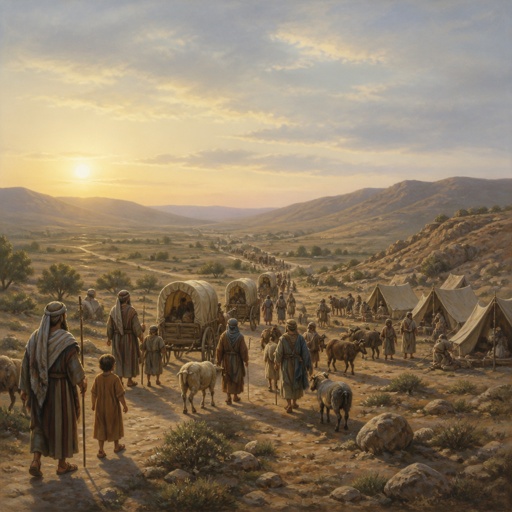
"And they removed from Libnah, and pitched at Rissah." - Numbers 33:21

Psalms 33:21 - "For our heart shall rejoice in him, because we have trusted in his holy name."

Genesis 21-20

Genesis 21-6

Genesis 21-13

Genesis 21-10

Genesis 21-34

Genesis 21-2

Genesis 21-7
Genesis 21-32