The Test of Faith: A Divine Covenant
"And said, By myself have I sworn, saith the LORD, for because thou hast done this thing, and hast not withheld thy son, thine only son:" - Genesis 22:16
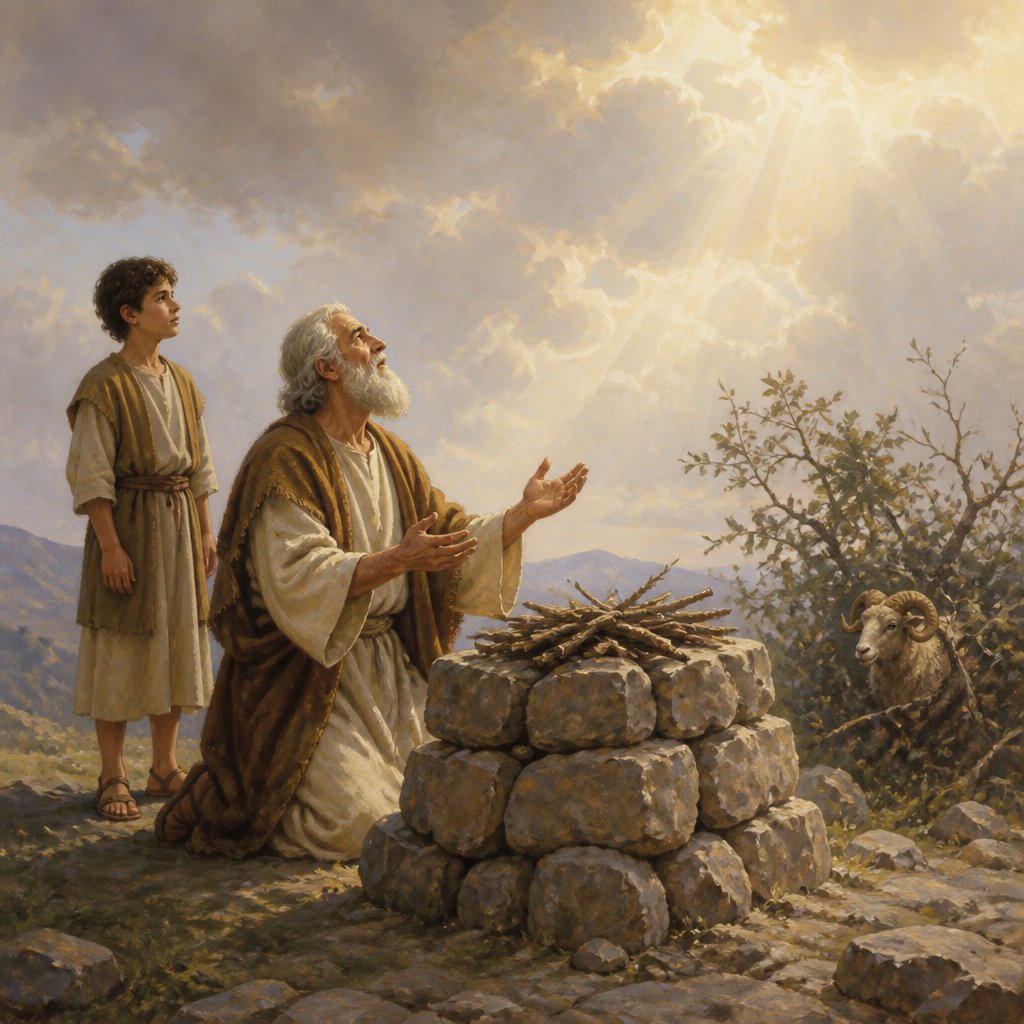
Genesis 22:16 states, "And said, By myself have I sworn, saith the LORD, for because thou hast done this thing, and hast not withheld thy son, thine only son." This profound verse captures one of the most pivotal moments in biblical history—the testing of Abraham’s faith. It is in this extraordinary event that we find not only a tale of unwavering devotion but also a deeper understanding of God's promises and His nature.
Abraham’s story is a cornerstone in the narrative of faith, beginning with his calling out of his homeland into an unknown future. Genesis 12 unfolds the call of Abraham, where God promises him innumerable descendants and establishes a covenant with him. Yet, decades pass, and with them comes the heart-wrenching struggle of barrenness and doubt. The promise seemed to fade.
Finally, at the age of one hundred, Abraham’s hope is rekindled with the birth of Isaac, the son of promise. Isaac is not merely a child; he embodies God’s covenant, the fulfillment of the promises made to Abraham for generations to come. Thus, in Genesis 22, when God commands Abraham to sacrifice Isaac, the very embodiment of hope and promise, it raises profound questions about faith, obedience, and love.
The test comes brutally and without warning. Abraham is asked to surrender the most precious gift he has ever received. One could easily imagine the turmoil within him—the anguish of a father asked to sacrifice his only son. Yet, the biblical account reveals no hesitation or wrestling with the command. Instead, we find Abraham rising early the next day, prepared to obey, a testament to his unwavering faith in God’s goodness and sovereignty.
What compels Abraham to respond in such faith? It is a belief rooted in the character of God. Abraham had walked with God long enough to trust that God knew the end from the beginning. He understood that God’s promises were unbreakable, even if their realization seemed impossible at that moment. Hebrews 11:19 illuminates this understanding, asserting that Abraham believed God could raise Isaac from the dead. This belief laid the foundation for obedience; it was not blind submission but an act of deep trust.
When God intervenes at the last moment, stopping the sacrifice, He reaffirms His covenant with Abraham, not because of Abraham’s wealth, status, or lineage, but solely rooted in his faith and obedience. And thus, God declares, "By myself have I sworn." This divine affirmation emphasizes the nature of God—a God who is trustworthy, faithful, and bound by His word. He swears by Himself because there is no higher authority.
In our lives, we are often faced with tests that require us to surrender our dreams, ambitions, relationships, and even our very understanding of ourselves. Often, these tests do not come with explanations. We may not understand why certain things must be given up, or why it feels like we are being led to an altar, metaphorically speaking. However, in these moments, we can find solace in the fact that we serve a God who sees the whole picture and sovereignly guides our lives toward His purposes.
The call to faith expressed in this passage reminds us of the deeper revelation of the Gospel. Just as Abraham was willing to sacrifice Isaac, God ultimately sacrificed His only Son, Jesus Christ, for our redemption. The covenantal promise exemplified through Abraham’s faith is fulfilled in Christ, showcasing God’s immense love and commitment to us.
As we contemplate these truths, let us reflect: Are there areas in our lives where we are withholding our "Isaacs" from God? Are we clinging tightly to things that He is asking us to surrender? In obedience, let us find the peace that comes from trusting in God’s greater plan—a plan that may not always align with our own understanding, yet is always rooted in love.
Want to reflect more on Genesis 22:16?
Continue your spiritual journey with Bible Chat — an AI-powered tool for exploring God's Word through conversation. Ask questions, discover connections, and deepen your understanding.
Get Our Apps


Genesis 22:16 Artwork

Genesis 22-16

Genesis 22:16 - "And said, By myself have I sworn, saith the LORD, for because thou hast done this thing, and hast not withheld thy son, thine only son:"
"And said, By myself have I sworn, saith the LORD, for because thou hast done this thing, and hast not withheld thy son, thine only son:" - Genesis 22:16

Genesis 22-22

Genesis 16:16

Genesis 22:22 - "And Chesed, and Hazo, and Pildash, and Jidlaph, and Bethuel."

Genesis 22

Genesis 22 14

Genesis 21:22

Genesis 18-22

Genesis 22-9

Genesis 22-8

Genesis 22:15

Genesis 22-12

Genesis 28-22

Genesis 22-10

Genesis 22-23

Genesis 22-21

Genesis 22-7

Genesis 22-4

Genesis 17-22

Genesis 19-22

Genesis 22-14

Genesis 22-17

Genesis 22:1

Genesis 22-20

Genesis 22:11

Genesis 22-18

Genesis 24-22

Genesis 22:10