The Integrity of a Covenant: Lessons from Genesis 23:10
"And Ephron dwelt among the children of Heth: and Ephron the Hittite answered Abraham in the audience of the children of Heth, even of all that went in at the gate of his city, saying," - Genesis 23:10
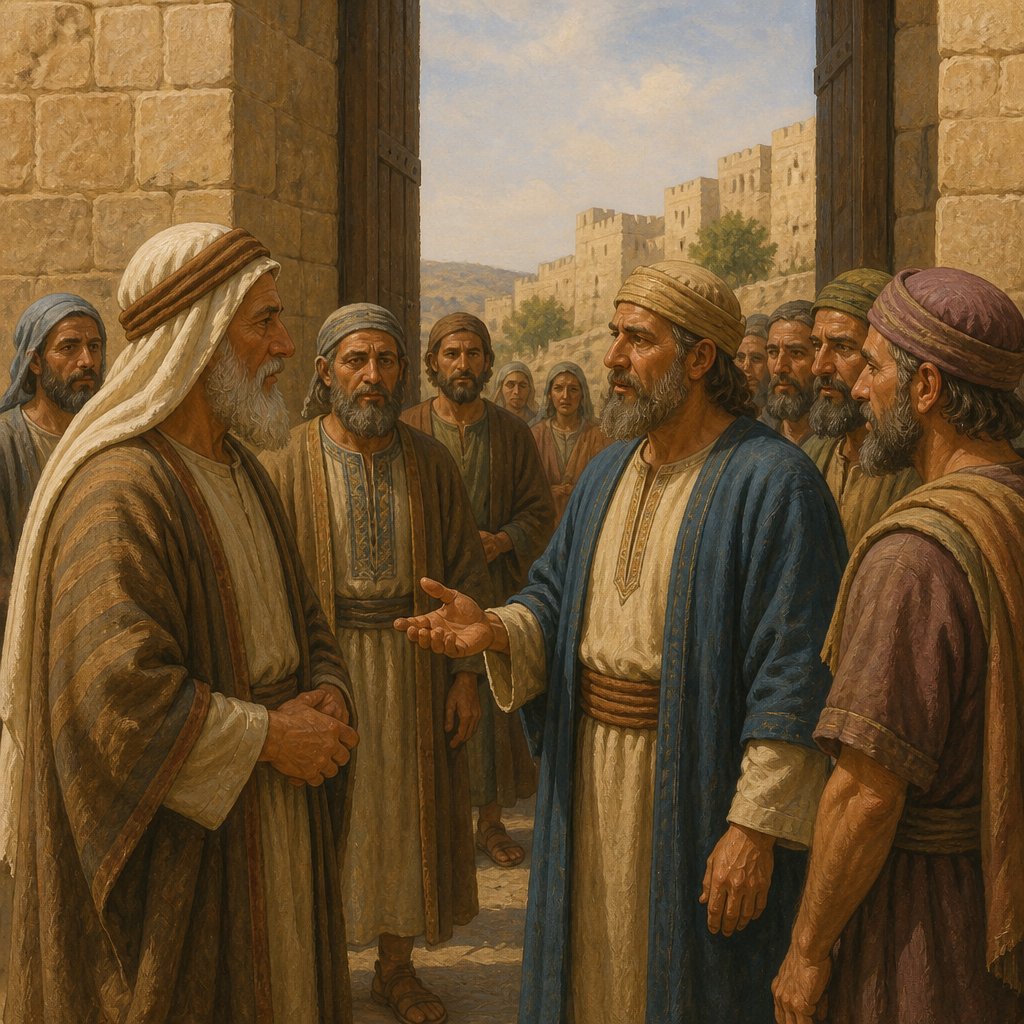
As we delve into Genesis 23:10, we encounter a substantial moment in the life of Abraham and his relationship with the Hittites, particularly Ephron the Hittite. The verse states, "And Ephron dwelt among the children of Heth: and Ephron the Hittite answered Abraham in the audience of the children of Heth, even of all that went in at the gate of his city, saying." This exchange reveals not only a critical transaction in Abraham’s life but also profound insights into integrity, respect, and God's covenant promises.
To fully appreciate the significance of this verse, we need to understand the context. Abraham, having lost his beloved wife Sarah, finds himself in a deeply vulnerable position. He requires a burial place for her that is not just any site but a rightful space where he can honor her memory. Thus, he approaches Ephron the Hittite to negotiate the purchase of the cave of Machpelah.
In ancient cultures, the gates of the city were not just entry points; they served as social and legal hubs where important discussions and business transactions took place. By mentioning the public nature of this audience, Genesis 23:10 emphasizes the importance of transparency and community involvement in these dealings. The entire community would witness this agreement, thereby affirming its legitimacy. The presence of witnesses served to underscore the integrity of the transaction — there’s a lesson here about the value of conduct that is above reproach, especially when making serious commitments and agreements.
Ephron’s response to Abraham is noteworthy for its politeness and formality. He doesn’t just give a cursory answer; he speaks with respect and consideration, indicating the weight of the matter at hand. This interaction reminds us that, in our dealings — whether with friends, family, or strangers — we should operate with humility and respect, acknowledging the humanity in one another.
Abraham's demeanor throughout this chapter is also striking. He does not demand the land as a right or entitlement; instead, he approaches it thoughtfully and with reverence. Even as a wealthy man, Abraham recognizes the need to honor the customs and practices of the people he interacts with. He could have claimed land as a patriarch, but he chose to buy it, symbolizing the importance of honor and respect in relationships. From this, we learn that in moments of difficulty or need, it’s critical to maintain a spirit of humility, not to grasp at entitlements, but to earn what is justly ours in the spirit of integrity.
Furthermore, the broader narrative of Genesis speaks to God’s covenant with Abraham. This purchase — a seemingly mundane transaction — is pivotal because it represents a tangible claim to the Promised Land. God had promised Abraham that his descendants would inherit a land, yet here, he demonstrates his faith by purchasing a piece of that promise. Abraham’s actions embody the faith in God’s promises, showing that sometimes we must take steps toward that promise, even in the simplest forms.
In our own lives, we too are called to be covenant people — to live with integrity, to respect the humans around us, and to tread carefully in our transactions. When we encounter relational or material needs, let us remember to approach situations with humility and respect. Let us have the courage to engage in challenging conversations, keeping in mind the impact of our actions.
Ultimately, Genesis 23:10 invites us into a profound reflection: how are we living out our faith in everyday transactions? Are we honoring God’s promises by acting with integrity and respect? Let us endeavor to cultivate a community of transparency, where our words and actions reflect the heart of God. Through every interaction, may we not only honor others but also build a testimony that glorifies our Lord and reflects His love.
Want to reflect more on Genesis 23:10?
Continue your spiritual journey with Bible Chat — an AI-powered tool for exploring God's Word through conversation. Ask questions, discover connections, and deepen your understanding.
Get Our Apps


Genesis 23:10 Artwork

Genesis 23-10

Genesis 23:10 - "And Ephron dwelt among the children of Heth: and Ephron the Hittite answered Abraham in the audience of the children of Heth, even of all that went in at the gate of his city, saying,"
"And Ephron dwelt among the children of Heth: and Ephron the Hittite answered Abraham in the audience of the children of Heth, even of all that went in at the gate of his city, saying," - Genesis 23:10

Genesis 10:23 - "And the children of Aram; Uz, and Hul, and Gether, and Mash."
"And the children of Aram; Uz, and Hul, and Gether, and Mash." - Genesis 10:23

Genesis 23-19

Genesis 23-3

Genesis 23-13

Genesis 23-17

Genesis 23:11

Genesis 23-9

Genesis 23:2

Genesis 23-18

Genesis 23-5

Genesis 23-12

Genesis 23-4

Genesis 23-16

Genesis 17-23

Genesis 23:1

Genesis 23-6

Genesis 23-8

Genesis 25-23

Genesis 18-23

Genesis 19-23

Genesis 22-23

Genesis 23-14
Genesis 21-23

Genesis 23-20

Genesis 23-7

Genesis 3:23