A Legacy of Love: Lessons from Abraham's Generosity
“Nay, my lord, hear me: the field give I thee, and the cave that is therein, I give it thee; in the presence of the sons of my people give I it thee: bury thy dead.” — Genesis 23:11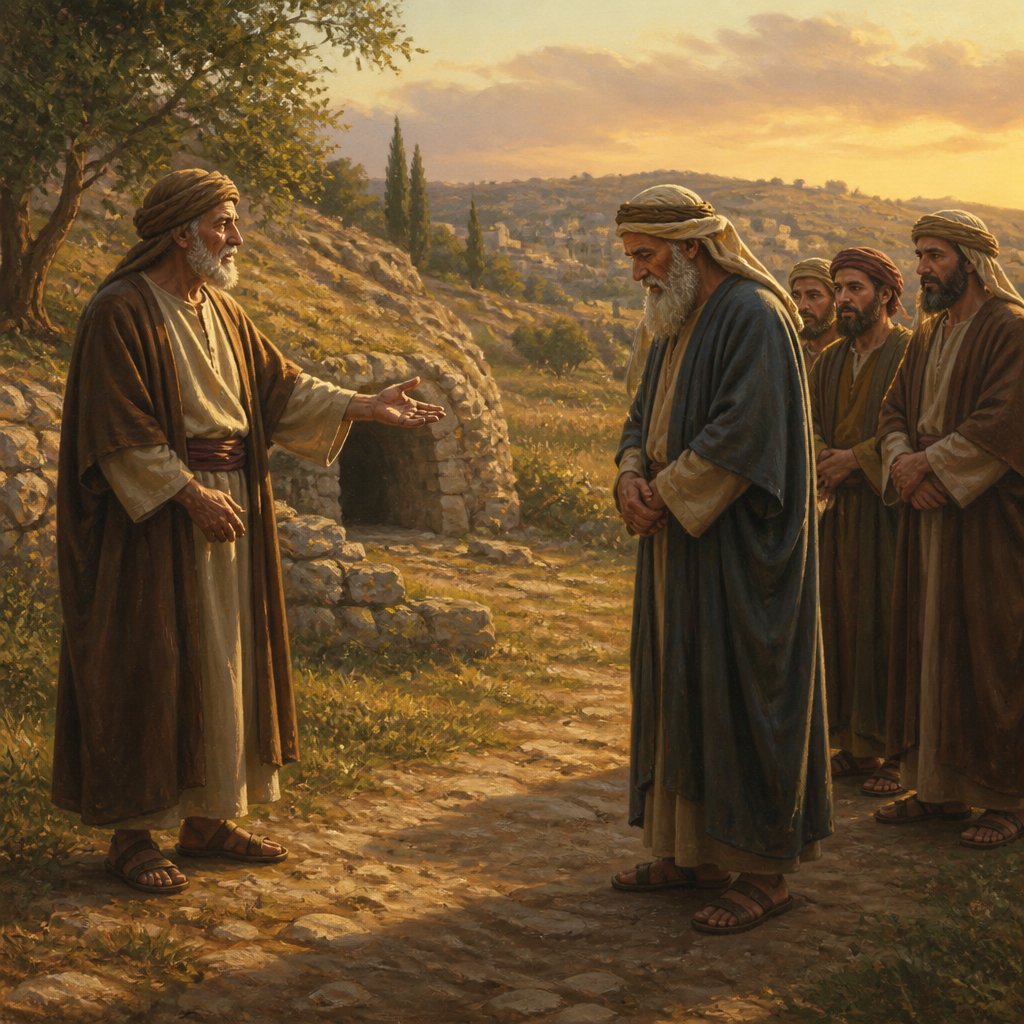
In the book of Genesis, we encounter moments that define the character of its key figures. Among these significant narratives is the poignant story in Genesis 23:11, where we witness a profound exchange between Abraham and Ephron the Hittite regarding the burial site for Sarah. The KJV records Ephron saying, "Nay, my lord, hear me: the field give I thee, and the cave that is therein, I give it thee; in the presence of the sons of my people give I it thee: bury thy dead." This moment encapsulates themes of generosity, love, and community that resonate deeply in our walks of faith today.
When we reflect on the context of this verse, we see Abraham deeply grieving the loss of his beloved wife, Sarah. The weight of sorrow rests heavily upon him, yet amidst his sorrow, we find an example of their enduring bond. The act of securing a burial place was one rooted in both personal significance and practical necessity, reflecting a respectful and heartfelt desire to honor Sarah’s memory. In cultures where burial practices are essential, having a designated place to lay loved ones to rest becomes an integral part of the grieving process.
Ephron’s response to Abraham offers us profound insights into generosity. Initially, he offers the field and cave for free, which reflects the custom of hospitality and community solidarity prevalent at the time. However, Abraham, though in mourning, understands the deeper value of ownership and recognition of the land’s worth. He insists on paying for the property, which could seem contrary to our expectations of a generous offer. Yet here lies an eternal truth: true generosity often involves sacrifice and the acknowledgment of inherent value.
Abraham’s insistence on purchasing the land demonstrates respect—not only for Sarah but for Ephron as their community leader. By choosing to pay, Abraham solidifies a relationship built on integrity. He desired to honor Sarah in her death as he had in life; thus, he sought a burial plot that was rightfully his. The principle here extends into our lives as we navigate relationships and community; we must invest in what we value, whether that be through time, effort, or financial resources.
Moreover, we must consider the communal aspect of this exchange. The verse states that this was done "in the presence of the sons of my people," emphasizing the importance of community recognition and support during moments of personal loss. It is a poignant reminder that grief and loss are not solitary experiences; they are deeply communal. As believers, we are called to share in one another's burdens (Galatians 6:2), to be present in times of mourning, and to engage in acts of love that lift one another.
In our modern application, we can ask ourselves: How do we demonstrate our love and generosity in our relationships? Are we recognizing the value of those around us, honoring them in ways that reflect our commitment? Abraham’s commitment to Sarah’s dignity teaches us that love is not merely a feeling but a series of actions that honor our commitments to one another.
As we meditate on this exchange, let us act in a way that honors our loved ones, their memories, and the communities we belong to. Let us be willing to invest in others with our time, resources, and heartfelt presence, reflecting the kind of love that does not hesitate to acknowledge sacrifice and value. May we always strive to be generous in spirit and action, building a legacy of love in our relationships, just as Abraham did in that sacred moment.
Get our apps


Artwork for Genesis 23:11

Genesis 23:11

Genesis 23:11 - "Nay, my lord, hear me: the field give I thee, and the cave that is therein, I give it thee; in the presence of the sons of my people give I it thee: bury thy dead."
"Nay, my lord, hear me: the field give I thee, and the cave that is therein, I give it thee; in the presence of the sons of my people give I it thee: bury thy dead." - Genesis 23:11

Genesis 11:23 - "And Serug lived after he begat Nahor two hundred years, and begat sons and daughters."
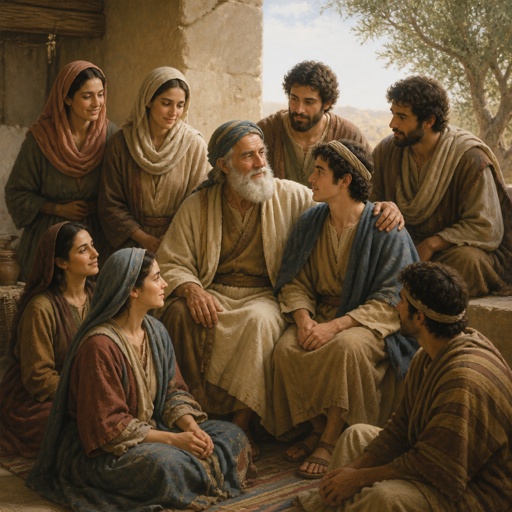
"And Serug lived after he begat Nahor two hundred years, and begat sons and daughters." - Genesis 11:23

Genesis 23-19

Genesis 23-3

Genesis 23-13

Genesis 23-17

Genesis 23-9

Genesis 23:2

Genesis 23-18

Genesis 23-5

Genesis 23-12

Genesis 23-4

Genesis 23-16

Genesis 17-23

Genesis 23:1

Genesis 23-10

Genesis 23-6

Genesis 23-8

Genesis 25-23

Genesis 18-23

Genesis 19-23

Genesis 22-23

Genesis 23-14
Genesis 21-23

Genesis 23-20

Genesis 23-7

Genesis 3:23