In the Valley of Trust: Lessons from Abraham's Tomb
"And the field, and the cave that is therein, were made sure unto Abraham for a possession of a buryingplace by the sons of Heth." - Genesis 23:20
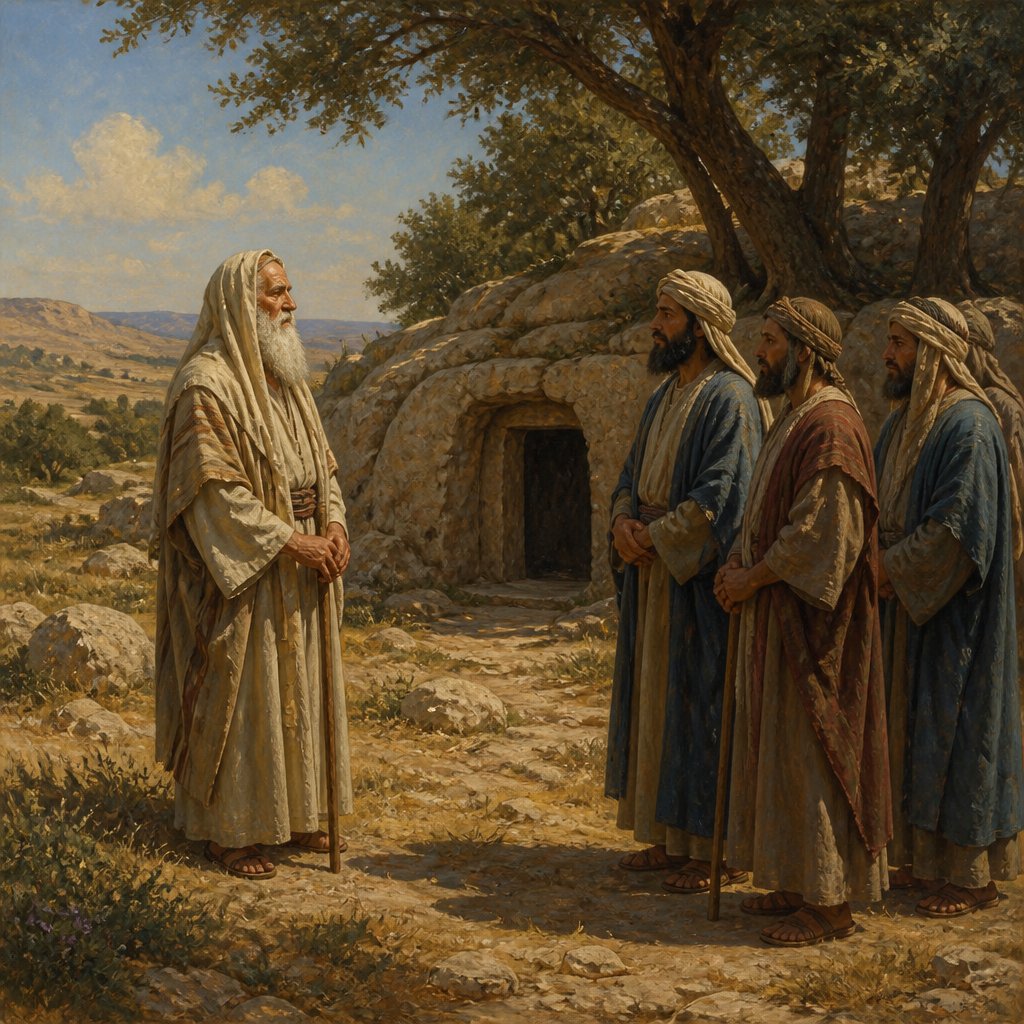
In Genesis 23:20, we find a pivotal moment in Abraham's life: "And the field, and the cave that is therein, were made sure unto Abraham for a possession of a buryingplace by the sons of Heth." This verse encapsulates not just a transaction, but a deep lesson in faith, ownership, legacy, and God’s provision.
At this point in Abraham’s journey, he is faced with a situation that many of us encounter at some stage in our lives: grief and the need to establish a lasting legacy. The death of Sarah, Abraham's wife, prompts him to purchase a burial site. It is vital to note that this is the first piece of land Abraham owns in Canaan, the land promised to him and his descendants by God. The fact that his purchase is for a burial site is particularly poignant. It signifies both a loss and a declaration of faith in God’s promise to give the land to his descendants.
In Abraham’s day, the cave of Machpelah represents much more than a grave; it is a symbol of hope and a testament to Abraham’s faith. He was assured by the sons of Heth, the local inhabitants, that this land would be his, and thus he secured a place not just for the dead but for the future generations of his family. This act of faith signifies that he believed in God's promises even when they seemed distant or unfulfilled.
This transaction was not merely a matter of acquiring land; it was an exercise in faith. Abraham wanted to ensure that his forefather legacy was not lost, and by making this purchase, he took a tangible step towards the fulfillment of God’s promises. For Abraham, owning a piece of Canaan was a declaration that he trusted God’s promise — a promise that included him, his descendants, and the future nation that would rise from his lineage.
Moreover, this act of acquiring a burial place holds profound implications for us today. In a world that often feels ephemeral, we are reminded of the importance of establishing roots, tending to legacies, and living lives marked by intentionality and foresight. Just as Abraham took careful steps to secure his and his family's future, we too are called to consider the footprints we leave behind. Are they marked by faith? Are they a representation of God's love, grace, and truth? Every choice we make now transforms into an inheritance for those who come after us, whether spiritually or physically.
In our moments of grief, it’s essential to remember that God remains our refuge. Abraham mourned for Sarah, but in his mourning, he exhibited unwavering trust in the providence of the Lord. The cave of Machpelah became a sacred space, a place where generations would remember the faithfulness of God. In our pain, we often build memorials — not of despair but of hope, trusting that God is actively involved in our stories.
This Scripture calls us to reflect on our relationship with possessions and places. In a consumer-driven culture, where accumulation often overshadows meaning, we find comfort in the realization that true possession comes through faith. What does it mean to ‘own’ our faith? It is to recognize that our lives are not our own; they have been purchased at a great price. My heart, my family, my future—all belong to God.
As we meditate on Genesis 23:20, let us be encouraged to reflect on how we honor God through our legacies. May we be faithful stewards of the moments and memories we create, understanding that each action reverberates through time. Like Abraham, may we face our final destinations not with fear but with immense faith, knowing that our lives reflect the promises of God.
In conclusion, the cave of Machpelah is far more than a burial site; it is a powerful testament to the covenant between God and Abraham, and it reminds us that our faith should be entrenched in every decision we make as we navigate the valleys of our own lives.
Want to reflect more on Genesis 23:20?
Continue your spiritual journey with Bible Chat — an AI-powered tool for exploring God's Word through conversation. Ask questions, discover connections, and deepen your understanding.
Get Our Apps


Genesis 23:20 Artwork

Genesis 23-20

Genesis 23:20 - "And the field, and the cave that is therein, were made sure unto Abraham for a possession of a buryingplace by the sons of Heth."
"And the field, and the cave that is therein, were made sure unto Abraham for a possession of a buryingplace by the sons of Heth." - Genesis 23:20

Exodus 23:20

Genesis 20

Leviticus 23:20

Genesis 23-19

Genesis 23-13

Genesis 23:11

Genesis 23-17

Genesis 23-3

Genesis 23-9

Genesis 23-18

Genesis 23-12

Genesis 23-5

Genesis 23:2

Genesis 23-4

Genesis 17-23

Genesis 23:1

Genesis 23-10

Genesis 23-16

Genesis 23-6

Genesis 23-8

Genesis 25-23

Genesis 22-23

Genesis 18-23

Genesis 19-23

Genesis 23-14
Genesis 21-23

Genesis 23-7