The Heart of a Servant: Lessons from Genesis 24:17
“And the servant ran to meet her, and said, Let me, I pray thee, drink a little water of thy pitcher.” — Genesis 24:17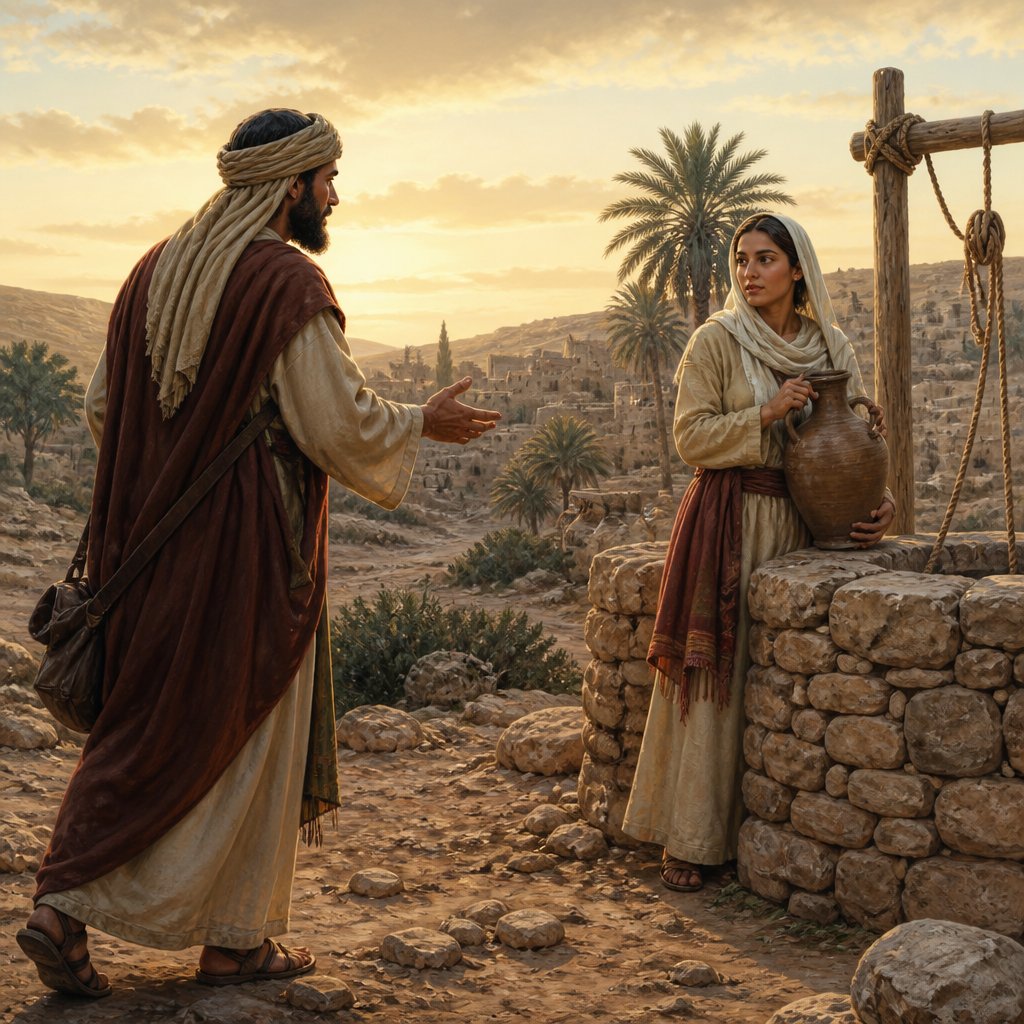
In Genesis 24, we witness a remarkable event that unfolds through the diligent actions of Abraham’s steward, the unnamed servant who is entrusted with the monumental task of finding a wife for Isaac, Abraham's son. The central verse, Genesis 24:17, states, "And the servant ran to meet her, and said, Let me, I pray thee, drink a little water of thy pitcher." This simple request unveils a myriad of profound lessons about service, obedience, and the heart that God desires in each of us.
To fully appreciate the weight of this servant’s action, we must reflect on the context surrounding it. Here is a man who traveled a long distance to a foreign land, filled with uncertainty and expectations. His mission was not only daunting but also crucial for the continuation of Abraham’s lineage and the fulfillment of God’s promises. Yet, instead of feeling overwhelmed by this responsibility, the servant chose to approach the task with an eager and running spirit, excited to fulfill his master's wishes and conscious of the potential that lay before him.
The first lesson we learn from this scripture is the essence of readiness in service. The servant did not linger; he ran to meet Rebekah with urgency and enthusiasm. This act of running signifies more than physical speed; it conveys a deep commitment to his task and a joyful heart willing to serve. In the New Testament, we are reminded in Colossians 3:23, "And whatsoever ye do, do it heartily, as to the Lord, and not unto men." The servant’s willingness to run reflects the attitude we should embody when serving the Lord and others.
Furthermore, the servant’s request for water extends into a deeper theological understanding. Water, in biblical context, often signifies life, sustenance, and refreshment. By asking Rebekah for water, the servant symbolically sought not just physical refreshment for himself, but also a connection with the one who would become part of Abraham's family and ultimately bear a part in God’s promise. His request, “Let me, I pray thee,” is also a humble acknowledgment of his need for her assistance. This humility sets a powerful example for us, enhancing our understanding that true service requires readiness to both give and receive. Think about the countless times we have rushed through tasks without genuinely connecting with those we encounter.
When Rebekah responds, it is not merely about giving water; it becomes the beginning of a grand narrative—one that reflects God’s providence and how He weaves human actions into His divine plan. The servant’s quick request catalyzes the unfolding of events that lead to Isaac and Rebekah’s union, showcasing the chain of obedience and faith. In our lives, when we express a willingness to step out in faith, we often find that God is orchestrating connections that we could not have imagined.
As we meditate on this verse, we also reflect on our own journey. Are we running with the urgency of the servant to fulfill God’s calls in our lives? Do we exhibit that same humble demeanor in asking for help or support along our paths? Each of us carries responsibilities—whether it be at home, work, or in our communities—and God invites us to approach these with both joy and expectation.
In conclusion, Genesis 24:17 serves as a powerful reminder of what it means to have a servant's heart. Let us endeavor to be like this faithful servant; let us be quick to serve, willing to ask for assistance when necessary, and sensitive to God’s leading in the unfolding stories of our lives. May our actions reflect His love and our desire to see His will accomplished. Amen.
Get our apps


Artwork for Genesis 24:17

Genesis 24-17

Genesis 24:17 - "And the servant ran to meet her, and said, Let me, I pray thee, drink a little water of thy pitcher."
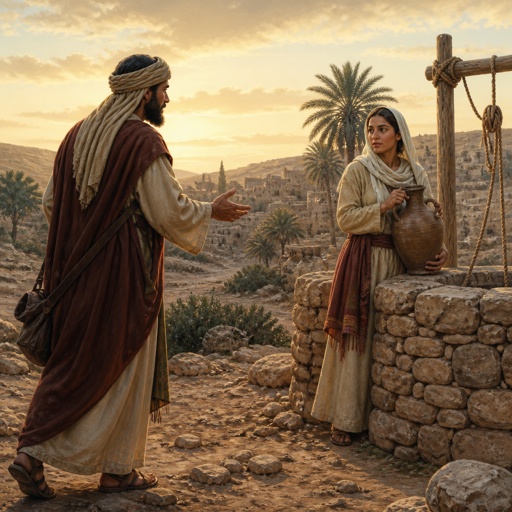
"And the servant ran to meet her, and said, Let me, I pray thee, drink a little water of thy pitcher." - Genesis 24:17

Genesis 17-24

Genesis 17:24 - "And Abraham was ninety years old and nine, when he was circumcised in the flesh of his foreskin."
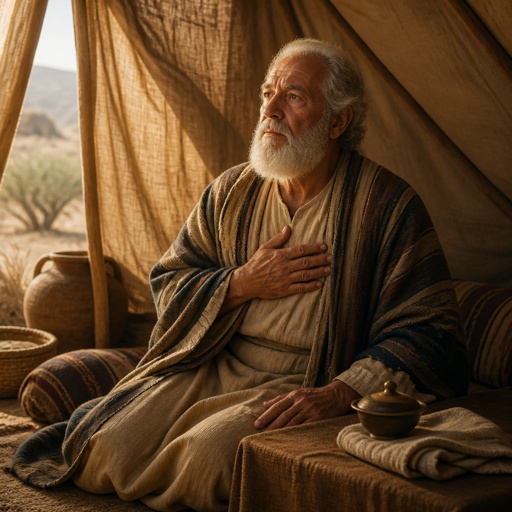
"And Abraham was ninety years old and nine, when he was circumcised in the flesh of his foreskin." - Genesis 17:24

Genesis 24:24

Genesis 17-17

Joshua 24:17

Genesis 14:17–24 tells the story of a meeting between Abram and two kings. Returning as the victor after having defeated the eastern kings and recapturing all their plunder, Abram is met by the king of Sodom and by Melchizedek, the mysterious king of Salem.

Genesis 24-21

Genesis 25-24

Genesis 24-41

Genesis 24-61

Genesis 24:36

Genesis 24-54

Genesis 24-50

Genesis 24:60

Genesis 24-62

Genesis 24-7

Genesis 24-26

Genesis 24-55

Genesis 24-59

Genesis 24-56

Genesis 3:24

Genesis 24-53

Genesis 24-63

Genesis 24-66

Genesis 21-24

Genesis 24-15