Divine Encounters: The Story of Rebekah and Laban
“And Rebekah had a brother, and his name was Laban: and Laban ran out unto the man, unto the well.” — Genesis 24:29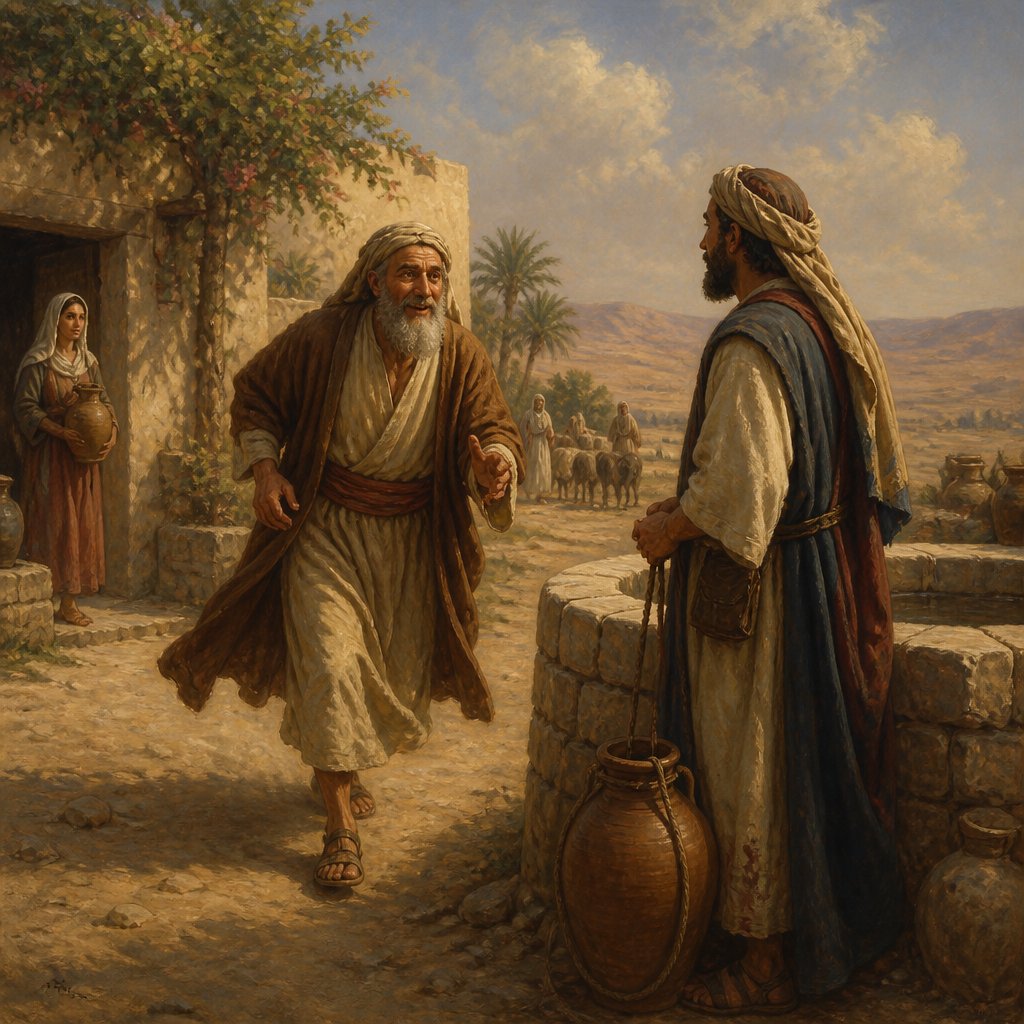
In the tapestry of the biblical narrative, Genesis 24:29 brings us to the moment when Rebekah, a young woman of grace and beauty, had her life altered not just through her own actions but also through the relationships that surrounded her. The verse states, “And Rebekah had a brother, and his name was Laban: and Laban ran out unto the man, unto the well.”
At first glance, we may view this verse as merely a transition in a grand love story — that of Isaac and Rebekah. However, when delving deeply into this encounter, we see the formulation of divine connections that leads to God's greater plan. Laban, Rebekah's brother, plays a pivotal role in this account that involves faith, obedience, and ultimately, the unfolding of God's covenant promise to Abraham.
The name Laban means “white” in Hebrew; a term often associated with purity and clarity. This contrast sets a backdrop against which Laban’s character will ultimately be examined throughout Scripture. We first meet him in a moment of exuberance, running towards Abraham's servant, the man tasked with finding a bride for Isaac. His impulsiveness reflects an eagerness that many may see as a simple act of hospitality but it also foreshadows the complex role he would later play in the history of the Israelite lineage.
As Laban hurried to the well, we must recognize the cultural significance of wells in ancient Near Eastern societies — they were vital sources of life, both literally and metaphorically. To run to the well suggests not only literal movement but also a readiness to engage in something life-giving. Laban’s race to greet the servant demonstrates a willingness to partake in divine providence, even if his intentions may later reflect a more self-serving nature.
In Laban, we witness a duality — he is both a part of God's plan and an architect of personal ambition. His initial kindness toward the servant is soon overshadowed by his later machinations, which introduce themes of deception and discord. This teaches us an invaluable lesson about the motivations of the heart. We may begin acts with the intention of serving God but can be led astray by personal interests if we are not vigilant in maintaining the integrity of our faith.
Contrasting Laban's behavior is the unwavering faith of Rebekah. Her willingness to leave her family and step into the unknown reflects profound trust in God's leading. In discourse between Laban and the servant of Abraham, we witness a careful balance of faith and familial obligation. Laban's role as her brother introduces conflict — supporting her while also pulling in the threads of his own ambitions. Here we learn that while God uses family to connect us in His purposes, He also challenges us to pursue His will over familial loyalty when the two come in conflict.
As we reflect on this dynamic, consider how Laban and Rebekah both illustrate essential aspects of our spiritual journey. Laban represents the often confusing realities of personal ambition and divine purpose, while Rebekah exemplifies a willingness to trust God unequivocally.
Genesis 24:29 reveals that God does not work in isolation; He weaves together our stories, relationships, and encounters to further His plan. As we engage with our life circumstances, let us also rush to the well where true life flows. Encountering the Spirit of God can illuminate our paths, guiding us to align our ambitions with His divine purpose. Let our hearts, like Laban's feet, eagerly run towards the well of living water, seeking God’s glory in every interaction, yet remaining humble, ensuring that we do not overshadow our divine encounters with our self-interest.
In prayer, may we ask God to reveal the Laban's in our lives — be they in family, friends, or even within ourselves. Let us learn this lesson: In every intersection of paths, we have the opportunity to fulfill God’s plan, both in how we act and how we respond to His calling.
Get our apps


Artwork for Genesis 24:29

Genesis 24-29

Genesis 24:29 - "¶ And Rebekah had a brother, and his name was Laban: and Laban ran out unto the man, unto the well."
"¶ And Rebekah had a brother, and his name was Laban: and Laban ran out unto the man, unto the well." - Genesis 24:29

Genesis 29:24 - "And Laban gave unto his daughter Leah Zilpah his maid for an handmaid."
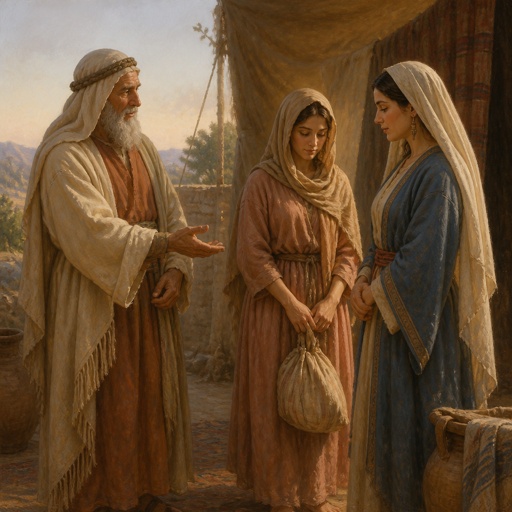
"And Laban gave unto his daughter Leah Zilpah his maid for an handmaid." - Genesis 29:24

Genesis 24:24

Matthew 7:24-29

Matthew 7:24-29

Genesis 29:29 - "And Laban gave to Rachel his daughter Bilhah his handmaid to be her maid."

Genesis 29-2

Genesis 29-6

Genesis 29-5

Genesis 42:29

Genesis 29-7

Genesis 29:1

Genesis 18-29

Genesis 26:29

Genesis 29-3

Genesis 19-29

Genesis 29-8

Genesis 29-4

Genesis 21-29

1 Chronicles 24:29 - "Concerning Kish: the son of Kish was Jerahmeel."

Genesis 29:16-35

Genesis 29:15-30

Genesis 24-21

Genesis 25-24

Genesis 24-41

Genesis 24-61

Genesis 24:36