Generational Legacies: Lessons from Ishmael's Lineage
“Now these are the generations of Ishmael, Abraham’s son, whom Hagar the Egyptian, Sarah’s handmaid, bare unto Abraham:” — Genesis 25:12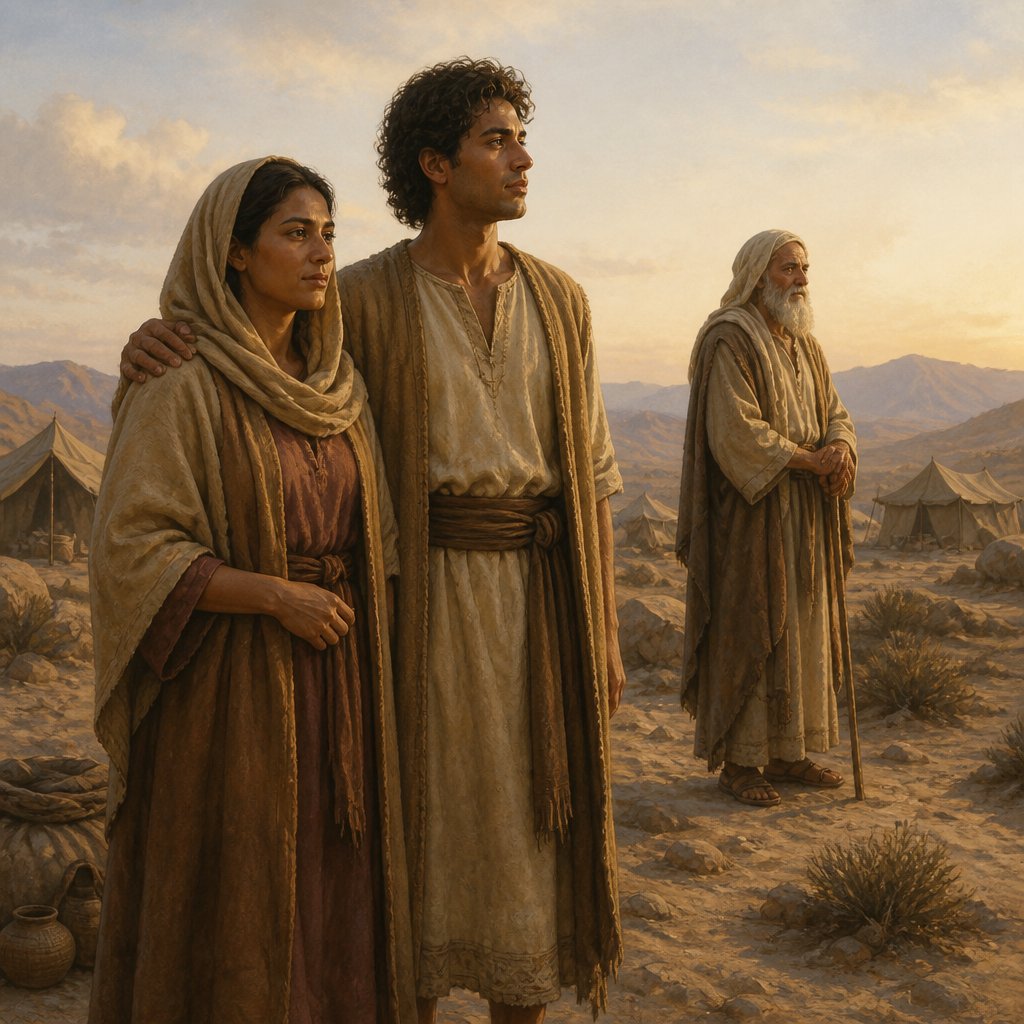
In the quiet reverence of Genesis 25:12, we encounter an intimate snapshot of God's unfolding story through a single verse: "Now these are the generations of Ishmael, Abraham's son, whom Hagar the Egyptian, Sarah's handmaid, bare unto Abraham." This verse may seem straightforward, and easily overlooked, yet within its simplicity lies profound lessons about identity, faith, and God's sovereignty.
To grasp the significance of Ishmael's lineage, we must revisit the narrative that birthed it. Abraham, revered as the father of faith, is a man who navigated the stormy seas of doubt and promise. God had promised him innumerable descendants, yet as the years passed with no child, the shadows of impatience shifted his course. In a moment of desperation, prompted by the societal customs of his time and the pressure to fulfill God’s promise in his own strength, he took Hagar, Sarah’s handmaid, as a wife. The birth of Ishmael arose from this decision—a child not born of the covenant but of human effort.
This brings us to a crucial aspect of our faith journey: the recognition of our inability to fulfill God's promises through our means alone. Ishmael, though a son of Abraham, represents the consequences of self-reliance and lack of patience. As we reflect on his origin, we too must ask ourselves: how often do we try to enact God’s promises in our own strength? How often do we resort to making our own plans rather than trusting in His perfect timing?
The text continues, “whom Hagar the Egyptian, Sarah's handmaid, bare unto Abraham.” Here lies the significance of Hagar's role. Hagar, an Egyptian slave woman, became part of the divine narrative when she bore Ishmael. This intersection of cultures speaks to a beautiful, yet often messy reality of God’s grace—it transcends boundaries. God does not discriminate; His plans and purposes include people from every nation, tribe, and background. So often, we can be quick to judge others by their circumstances; yet, God sees potential where we see limitation. Just as Hagar was pivotal in Ishmael’s story, the people around us—no matter their status or heritage—may play unexpected roles in our lives.
The generations that follow Ishmael are crucial because they remind us of the concept of legacy. Ishmael became the father of twelve princes, establishing a great nation (Genesis 17:20). This lineage does not imply that God’s covenant promise passed through Ishmael, as it belonged distinctly to Isaac, the child of promise. However, it serves to remind us that every life has worth, and that God can use anyone or anything for His purposes. In our faith journeys, we must recognize the importance of legacy—what will we leave behind? Will we be fruitful in our lives, bearing spiritual children who reflect the teachings and love of Christ?
Further, Ishmael’s story invites us to consider God's mercy in our moments of failure. Despite the error in judgment that led to Ishmael's birth, God still had a purpose for Ishmael and his descendants. In Genesis 21:18, when Hagar and Ishmael were cast away into the wilderness, God heard Ishmael’s cry and provided for him, stating, "I will make him a great nation." Such is the nature of God—always looking to restore and provide, even in our mess.
In conclusion, as we meditate on Genesis 25:12, let us reflect on our own lives, our own generational legacies, and our trust in God's timing. Just as He wove together the lineages of Abraham, Hagar, and Ishmael, He is actively working through our story today. We must choose faith over fear, patience over haste, and surrender over self-sufficiency. Let Ishmael’s legacy serve as a reminder that God’s grace and purpose can transform even our missteps into miracles. Let us be vessels of His promise, trusting in His perfect plan, knowing that every life, including our own, has potential defined by God’s creative will.
Get our apps


Artwork for Genesis 25:12

Genesis 25:12

Genesis 25:12 - "¶ Now these are the generations of Ishmael, Abraham's son, whom Hagar the Egyptian, Sarah's handmaid, bare unto Abraham:"
"¶ Now these are the generations of Ishmael, Abraham's son, whom Hagar the Egyptian, Sarah's handmaid, bare unto Abraham:" - Genesis 25:12

Genesis 25:25

Genesis 1:1-25

Genesis 1:1-25

Genesis 1:1-25

Genesis 25-18

Genesis 25-24

Genesis 25-2

Genesis 25-7

Genesis 25-23

Genesis 25-14

Genesis 50:25

Genesis 25:1

Genesis 26:25

Genesis 25-15

Genesis 21:25

Genesis 25-13

Genesis 25-26

Genesis 50:25

Genesis 25-6

Genesis 2:25

Genesis 18:25

Genesis 25-16

Genesis 25-32

Genesis 25-10

Genesis 18-25

Genesis 25-8

Genesis 25-3