In the Shadow of Forgiveness: Lessons from the Burial of Abraham
“And his sons Isaac and Ishmael buried him in the cave of Machpelah, in the field of Ephron the son of Zohar the Hittite, which is before Mamre;” — Genesis 25:9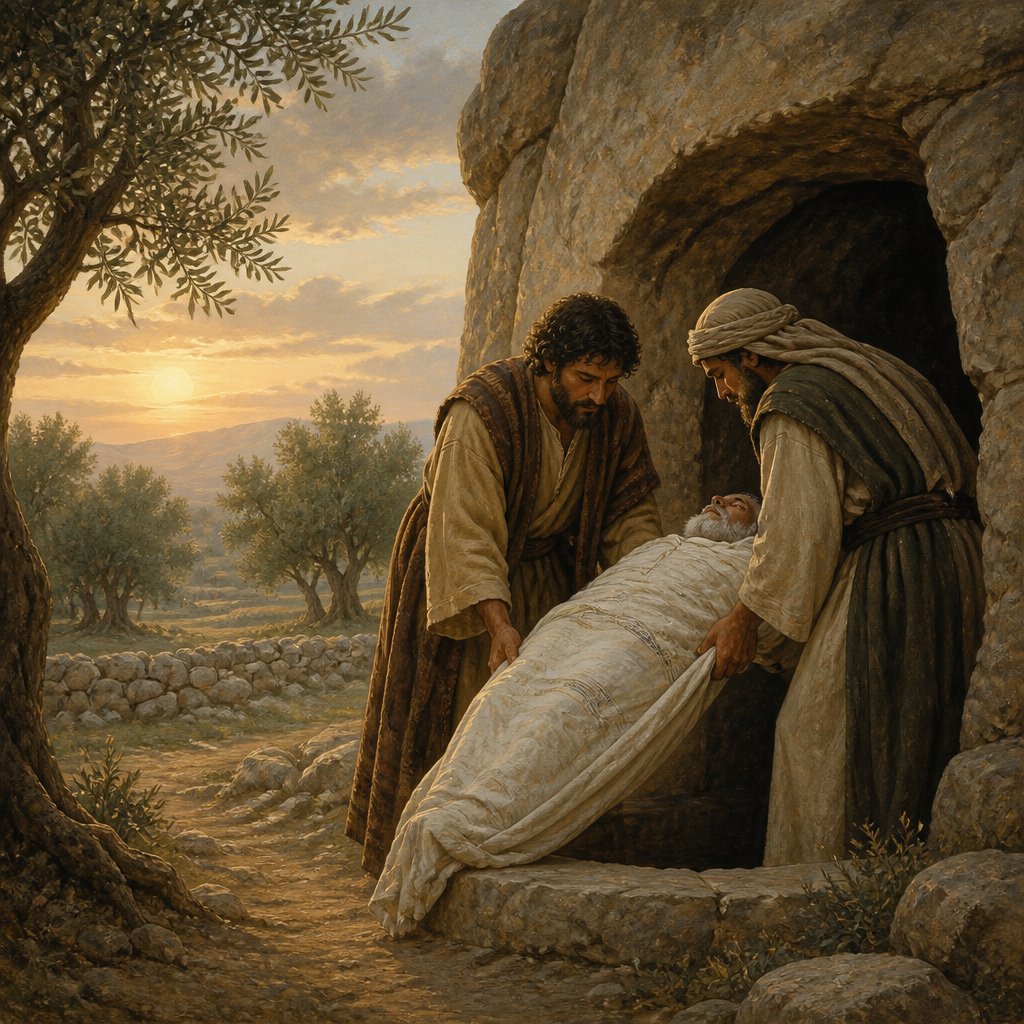
In Genesis 25:9 (KJV), we read, "And his sons Isaac and Ishmael buried him in the cave of Machpelah, in the field of Ephron the son of Zohar the Hittite, which is before Mamre." This verse, simple in its content yet profound in its implications, invites us to reflect on themes of family, reconciliation, and the enduring legacy of faith. To truly appreciate this moment, we must consider the familial dynamics at play, the significance of Machpelah, and the overarching narrative of God’s covenant with His people.
Firstly, the burial of Abraham represents a poignant instance of reconciliation between Isaac and Ishmael, two brothers who, for much of their lives, have been separated by circumstances beyond their control. Isaac was the promised child, born to Sarah, while Ishmael originated from Hagar, Sarah's maidservant. Their lives were marked by conflict and competition, fostered by the strife between Sarah and Hagar. However, Abraham's death seems to have brought them together in a moment of familial duty and respect.
The act of both sons participating in the burial evokes the notion that even amidst fractured relationships, there exists an opportunity for healing and unity. The burial itself serves as a powerful metaphor for the importance of coming together, putting aside past grievances, and honoring the legacy of a patriarch who had a profound impact on both their lives. Herein lies a beautiful lesson for us: God calls us to seek reconciliation and to prioritize relationships, even with those who may have caused us pain or disappointment in the past. The act of burying Abraham together can be seen as a demonstration of forgiveness, reminding us that God's grace allows for the mending of wounds and the restoration of family bonds.
In contemplating the cave of Machpelah, we recognize this burial site as a significant place in the Biblical narrative. It is described as a cave purchased by Abraham and serves as the first piece of the Promised Land that God granted to him and his descendants. The fact that this resting place was chosen indicates the importance of legacy, promise, and the faithfulness of God in fulfilling His covenant with Abraham. It reminds us that while death marks the end of one chapter, it often signifies the continuation of the story of faith passed down to future generations. This cave becomes an anchor point for the Jewish people, holding deep historical and spiritual significance, and serves as a reminder of God’s faithfulness across generations.
As we reflect on this act of burial, we see a model for how we, too, might honor those who have impacted our faith journeys. Recognize that every person leaves a legacy—whether good or bad—shaping who we are as individuals and as part of a community. How we confront and honor the memory of those who precede us can significantly affect our own spiritual growth and the health of our relationships.
Moreover, this passage challenges us to consider what legacy we are leaving behind. Are we fostering unity, love, and reconciliation in our relationships? Are we positioning ourselves as peacemakers, striving to uphold the principles of faith that Abraham exemplified—trusting in God’s promises and doing so in the context of our communities?
In conclusion, Genesis 25:9 captures a remarkable moment of both grief and grace. The burial of Abraham by Isaac and Ishmael serves as an enduring reminder of family ties that can withstand the storms of conflict, the eternal promises of God marked by sacred ground, and the call to seek reconciliation even amid past hurts. As we navigate our own relationships, let us look to this example of forgiveness and unity, embracing the opportunities to weave together our legacies in a tapestry of grace and love.
Get our apps


Artwork for Genesis 25:9

Genesis 25-9

Genesis 25:9 - "And his sons Isaac and Ishmael buried him in the cave of Machpelah, in the field of Ephron the son of Zohar the Hittite, which is before Mamre;"
"And his sons Isaac and Ishmael buried him in the cave of Machpelah, in the field of Ephron the son of Zohar the Hittite, which is before Mamre;" - Genesis 25:9

Genesis 9:24-25

Genesis 9:25 - "And he said, Cursed be Canaan; a servant of servants shall he be unto his brethren."

Genesis 25:25
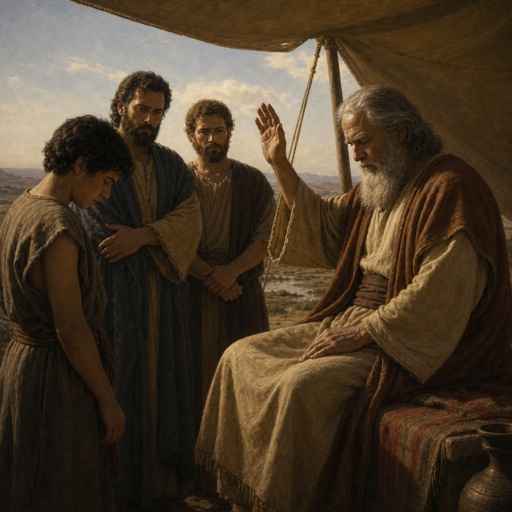
"And he said, Cursed be Canaan; a servant of servants shall he be unto his brethren." - Genesis 9:25

Genesis 1:1-25

Genesis 1:1-25

Genesis 1:1-25

Genesis 25-2

Genesis 25-18

Genesis 25-24

Genesis 25-7

Genesis 25-23

Genesis 25-14

Genesis 26:25

Genesis 50:25

Genesis 25:1

Genesis 21:25

Genesis 25-15

Genesis 25-26

Genesis 25-13

Genesis 50:25

Genesis 25-32

Genesis 25-6

Genesis 18-25

Genesis 25-16

Genesis 2:25

Genesis 18:25