The Compassionate Heart of Isaac: A Lesson in Forgiveness
"And Isaac said unto them, Wherefore come ye to me, seeing ye hate me, and have sent me away from you?" - Genesis 26:27
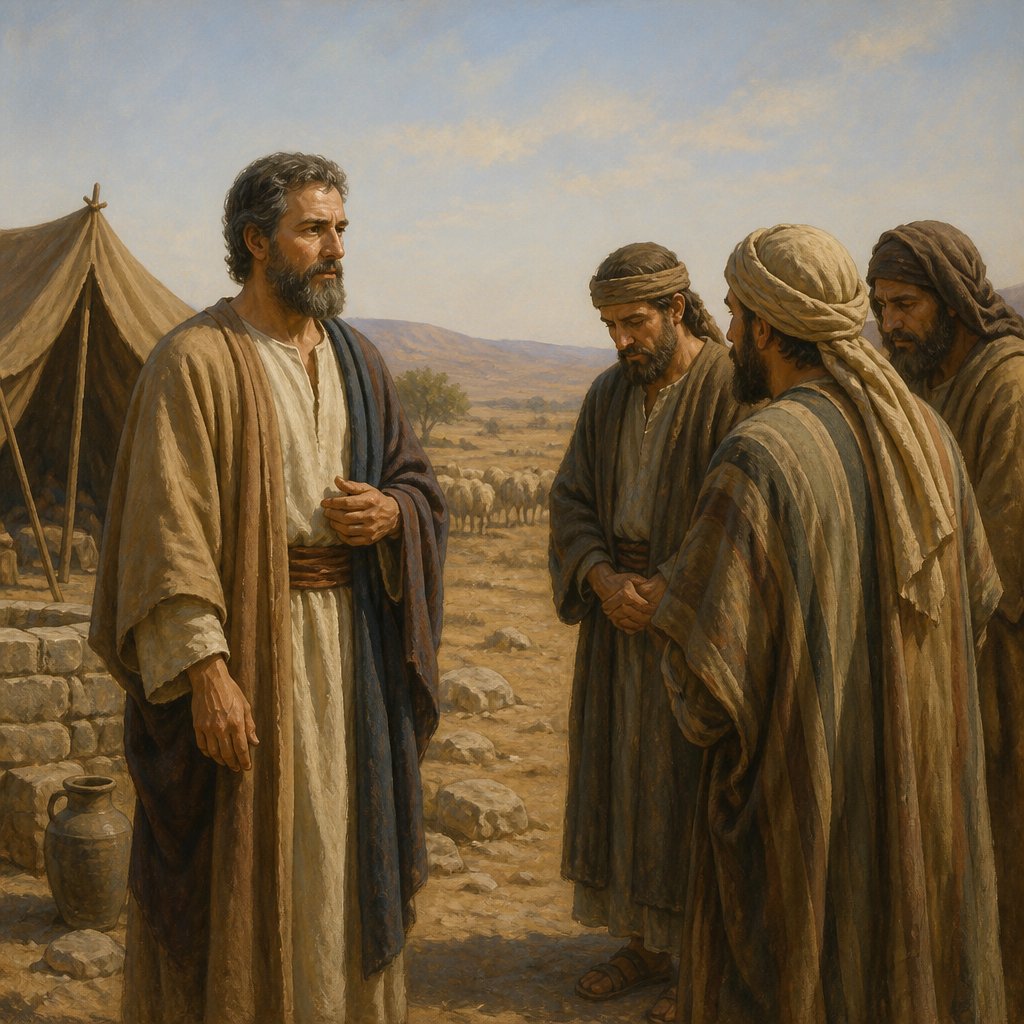
In the narrative of Genesis, we find ourselves in a moment of deep emotional conflict as Isaac interacts with the Philistines who, after having mistreated him, now come seeking something from him. The verse Genesis 26:27 states, "And Isaac said unto them, Wherefore come ye to me, seeing ye hate me, and have sent me away from you?" This poignant inquiry encapsulates the themes of rejection, fear, and the profound call to forgiveness, which resonates throughout our daily lives.
To truly grasp the significance of Isaac's words, we must first understand the depth of his circumstances. Isaac is the son of Abraham, a man who inherited significant promises from God. His life has been marked by miraculous events, yet here he finds himself at a crossroads. Despite the blessings he has received, he is facing animosity from those around him. The Philistines, once neighbors and allies, have now turned against him, out of jealousy for the blessings he had garnered through his relationship with God.
Isaac's question reveals a vulnerability that is often overlooked. It is not simply an accusation; it is a profound expression of hurt and confusion. "Wherefore come ye to me, seeing ye hate me, and have sent me away from you?" There is a sense of betrayal in Isaac's words, a lament over the collapse of relationships that should have been built on mutual respect and camaraderie. As Christians, we often face similar trials. Friends may turn against us, family ties may become strained, and community support can dwindle, especially when feelings of envy or resentment take root.
Yet, despite his pain, Isaac chooses to engage with those who have wronged him. This is where the heart of the matter lies. Isaac embodies a Christ-like attitude that we are often called to emulate. Rather than shutting down, becoming embittered, or crafting a desire for revenge, Isaac opens himself up to dialogue and confrontation. He seeks understanding, and through this moment, we are reminded that forgiveness and reconciliation are often not about those who have wronged us, but about our own hearts and our relationship with God.
The question we should pose ourselves is: how do we respond when faced with hostility or rejection? Like Isaac, we may feel justified in our hurt, yet God calls us to respond in love regardless of the actions of others. Ephesians 4:32 reminds us, "And be ye kind one to another, tenderhearted, forgiving one another, even as God for Christ's sake hath forgiven you." As we recognize the grace that God has applied to our lives, we are then empowered to extend that same grace toward those who have wronged us.
Furthermore, the broader context of Isaac’s story reveals that this moment of tension ultimately leads to reconciliation. Following verse 27, the Philistines openly acknowledge their wrongdoing and express a desire for peace. Isaac, showing wisdom and compassion, welcomes them. This is a reminder that our willingness to forgive can lead others to recognize their faults and seek restoration.
In our own lives, the choice to engage with those who have hurt us can lead to healing, not only for us but for them too. Our act of forgiveness is a testament to the love of Christ that resides within us. Just as Isaac demonstrated endurance through strife, we are reminded of the transformative power of love and forgiveness in our daily interactions.
As we meditate on Isaac’s approach, let us search our hearts. Are there relationships in our lives that need mending? Are we holding onto grievances that block our ability to demonstrate God's love? Let today be the day we follow Isaac’s example, embracing on the path of reconciliation and understanding. In doing so, we not only reflect the character of Christ but also pave the way for peace in our hearts and communities.
Want to reflect more on Genesis 26:27?
Continue your spiritual journey with Bible Chat — an AI-powered tool for exploring God's Word through conversation. Ask questions, discover connections, and deepen your understanding.
Get Our Apps


Genesis 26:27 Artwork

Genesis 26:27 - "And Isaac said unto them, Wherefore come ye to me, seeing ye hate me, and have sent me away from you?"
"And Isaac said unto them, Wherefore come ye to me, seeing ye hate me, and have sent me away from you?" - Genesis 26:27

Genesis 27:26 - "And his father Isaac said unto him, Come near now, and kiss me, my son."

"And his father Isaac said unto him, Come near now, and kiss me, my son." - Genesis 27:26

Matthew 27:26

Matthew 27:26

Proverbs 7:26-27

John 19:26-27

Genesis 1:26

Genesis 1:26

Genesis 1:26

Genesis 1:26

Genesis 27:32

Genesis 27:5

Genesis 25-27

Proverbs 27:26 - "The lambs are for thy clothing, and the goats are the price of the field."

Genesis 17-27

Genesis 18-27

Genesis 24-27

Genesis 21-27

Genesis 19-27

Genesis 24-26

Genesis 26:35

Genesis 50:26

Genesis 26:25

Genesis 25-26

Genesis 21-26

Genesis 50:26

Genesis 50:26

Genesis 26:29