Striving for the Source: Lessons from Esek
"And the herdmen of Gerar did strive with Isaac’s herdmen, saying, The water is ours: and he called the name of the well Esek; because they strove with him." - Genesis 26:20
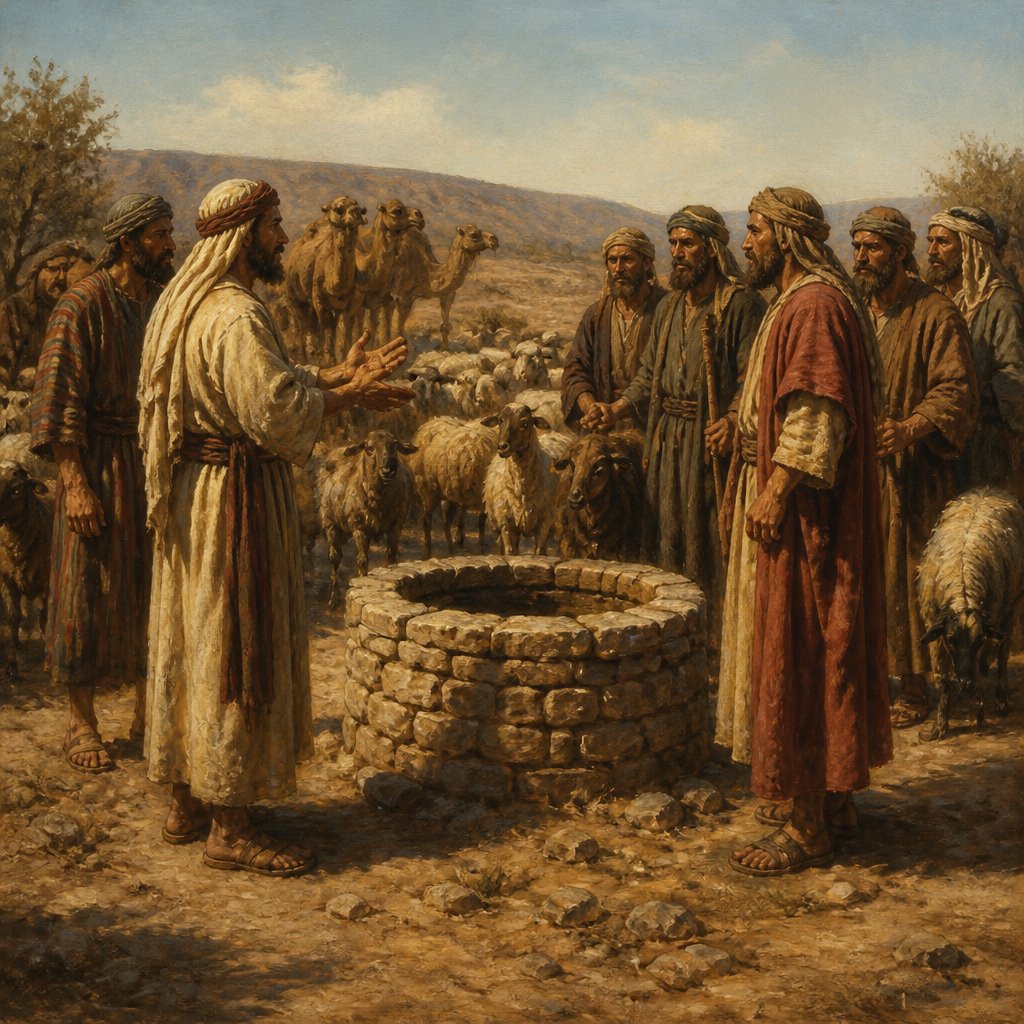
In the narrative of Isaac’s life, we encounter a moment that resonates with many of us, especially when we face conflict and struggle over resources that we believe are rightfully ours. Genesis 26:20 (KJV) unveils a scene filled with contention and human conflict: "And the herdmen of Gerar did strive with Isaac's herdmen, saying, The water is our's: and he called the name of the well Esek; because they strove with him."
This verse captures a crucial moment in the life of the patriarch Isaac, who, after financial successes and the blessing of the Lord, finds himself embroiled in a struggle for a well. Wells in ancient times were more than just sources of water; they represented life, sustenance, and community survival. The competition between Isaac’s herdmen and those of Gerar illustrates a deeper truth about human nature and the conflicts that arise when resources become scarce.
**The Strife of Esek**
The name "Esek" means "strife" or "contention," encapsulating the essence of this encounter. In the world we live in, it’s easy to find ourselves in positions of strife. Conflicts over resources—wealth, time, relationships—can lead to misunderstandings and divisions. Just as Isaac faced challenges from the herdmen of Gerar, we often encounter adversities that lead us into heated discussions, disputes, or even a sense of injustice.
Consider the herdmen of Gerar. They claimed the water, a vital source for their herds, arguing that it was theirs by right. This conflict reflects a common principle in human relationships: contention often arises from a fear of loss or scarcity. Yet, Isaac’s response was notably measured. He did not retaliate; he moved on to dig another well. Isaac’s actions teach us crucial principles for living in a world where strife seems to be a part of life.
**The Power of Letting Go**
Isaac’s willingness to relinquish claims over Esek halts the cycle of anger and retaliation. In doing so, he sets a remarkable example of humility and grace. Instead of escalating the situation, Isaac chose peace. This is the essence of the Christian walk: to pursue peace and let go of the need to dominate or control resources that we deem should be ours. The principle of yielding to strife is inline with the teaching of Jesus, who told us, "Blessed are the peacemakers: for they shall be called the children of God" (Matthew 5:9, KJV).
**God's Provision**
As we reflect on the events surrounding the well of Esek, we must remember that God had a plan for Isaac beyond this disagreement. After leaving Esek, Isaac dug another well and named it "Sitnah," meaning hatred, as conflict followed him. Yet ultimately, in the grand narrative, he found a well where there was no strife, and he named it "Rehoboth," meaning spaciousness—"For now the Lord hath made room for us, and we shall be fruitful in the land" (Genesis 26:22, KJV).
This progression teaches us that when we handle conflicts with grace and move beyond the immediate struggle, God prepares abundance for us—bigger and more fulfilling than what we were fighting for in the first place. In moments of dispute and contention, let us remember to surrender our desires and fears to God, trusting that He will lead us to greener pastures and deeper wells of His provision.
Each day, we can choose to approach the challenges we face with the grace and humility that Isaac demonstrated. We do not have to fight for every well; instead, we can trust in God’s provision and timing. So, when you encounter struggle and strife today, ask the Lord to give you the wisdom to know when to stand firm and when to relocate your efforts to find His blessings elsewhere. Remember, the well of Esek is often just the beginning of discovering the spaciousness and abundance that God has prepared for those who walk in His ways.
Want to reflect more on Genesis 26:20?
Continue your spiritual journey with Bible Chat — an AI-powered tool for exploring God's Word through conversation. Ask questions, discover connections, and deepen your understanding.
Get Our Apps


Genesis 26:20 Artwork

Genesis 26:20 - "And the herdmen of Gerar did strive with Isaac's herdmen, saying, The water is our's: and he called the name of the well Esek; because they strove with him."
"And the herdmen of Gerar did strive with Isaac's herdmen, saying, The water is our's: and he called the name of the well Esek; because they strove with him." - Genesis 26:20

Genesis 1:26

Genesis 1:26

Genesis 1:26

Genesis 1:26

Genesis 24-26

Genesis 26:35

Genesis 50:26

Genesis 26:25

Genesis 21-26

Genesis 25-26

Genesis 50:26

Genesis 19-26

Genesis 26:29

Genesis 50:26

Genesis 18-26

Genesis 26:18

Genesis 50:26

Genesis 26:9

Genesis 17-26

Genesis 20

Genesis 26 1 famine

Genesis 26:6 - "¶ And Isaac dwelt in Gerar:"

genesis 26:1-35

Genesis 26:26 - "¶ Then Abimelech went to him from Gerar, and Ahuzzath one of his friends, and Phichol the chief captain of his army."

Genesis 42:26 - "And they laded their asses with the corn, and departed thence."

Genesis 20-18

Genesis 20-16

Genesis 15:20