Rehoboth: The Place of Abundance
"And he removed from thence, and digged another well; and for that they strove not: and he called the name of it Rehoboth; and he said, For now the LORD hath made room for us, and we shall be fruitful in the land." - Genesis 26:22
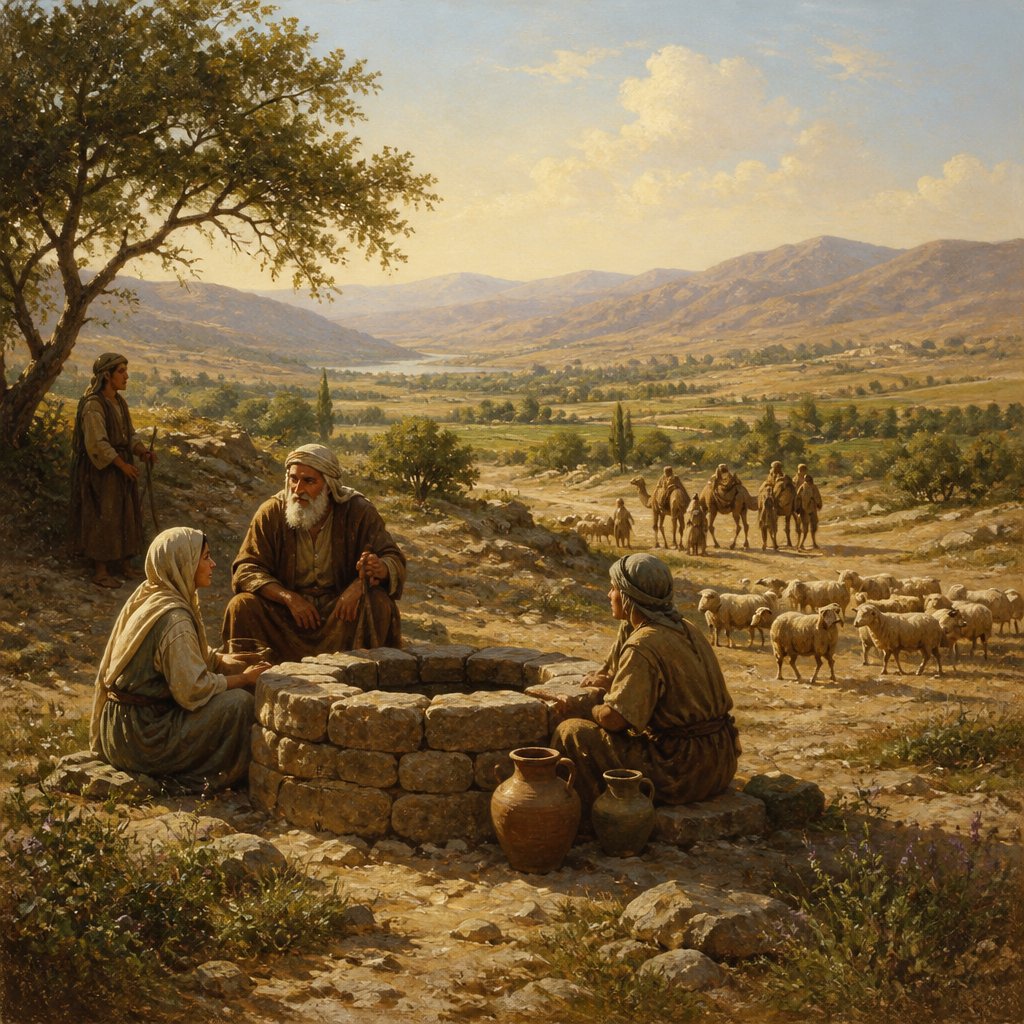
In Genesis 26:22, we read, "And he removed from thence, and digged another well; and for that they strove not: and he called the name of it Rehoboth; and he said, For now the LORD hath made room for us, and we shall be fruitful in the land." This profound declaration by Isaac encapsulates a journey of persistence, faith, and divine provision that speaks to our hearts and lives today.
To fully grasp the significance of this moment in Isaac's life, let us rewind and explore the context in which this verse resides. Isaac, the son of Abraham, had experienced tremendous promise in his life - the Abrahamic covenant was passed down to him, affirming that he would be the father of nations. However, he faced significant challenges, particularly concerning the wells that had been dug by his father, Abraham. The Philistines envied Isaac and filled the wells with dirt, striving to undermine his prosperity and halt his progress. The wells represented not merely sources of water but also the covenant blessings and heritage of faith passed down through generations.
As Isaac dug each well, he experienced strife, jealousy, and contention – feelings many of us resonate with in our lives. The world can sometimes act like the Philistines - blocking our sources of sustenance, trying to prevent us from receiving the blessings meant for us, and creating obstacles that seem insurmountable. In such times, we may feel as if we are in constant warfare, where our dreams, ambitions, and spiritual pursuits face relentless opposition. However, the example of Isaac invites us not to stagnate in the face of adversity but to persist.
Isaac did not allow the strife to hold him back. Instead, he chose to keep digging. The act of removing himself from contention and seeking a new well is emblematic of a proactive faith. It reminds us that sometimes we must step away from the battle and seek out new avenues of blessing. This is a profound truth: when faced with hostility or seemingly insurmountable challenges, God often calls us to dig deeper and seek out new opportunities. We must not become overly attached to our current circumstances or the wells of the past that may no longer yield life-giving water.
The digging of the new well that brought forth no strife led Isaac to call it Rehoboth, meaning "room" or "space." This is key for us to understand: God was making room for Isaac to thrive. In our lives, as we navigate difficulties and setbacks, we must hold onto the promise that God desires to create space for our flourishing. He is not a God of scarcity but a God of abundance, who prepares a table before us even in the presence of our enemies. The removal from strife to a place of flourishing can only be attributed to the faithfulness of God.
When Isaac declared, "For now the LORD hath made room for us, and we shall be fruitful in the land," he aligned himself with God's plan. It speaks to the essence of surrendering our struggles and trusting that the Lord has greater future blessings ahead. Our fruitfulness is not solely for ourselves but serves a larger purpose within God’s divine narrative. By nurturing the wells of faith, we contribute to a legacy that will bless generations to come.
As we reflect on Isaac’s journey to Rehoboth, let us ask ourselves what wells we need to dig in our lives. Are there areas where we face strife and contention? Are we clinging too tightly to the wells that no longer provide? May we be inspired by Isaac’s tenacity to seek new wells and embrace the space that God creates for our growth. Let us claim the promise of Rehoboth, knowing that with every act of faith, God is making room for us, leading us towards fruitfulness in every aspect of our lives.
Want to reflect more on Genesis 26:22?
Continue your spiritual journey with Bible Chat — an AI-powered tool for exploring God's Word through conversation. Ask questions, discover connections, and deepen your understanding.
Get Our Apps


Genesis 26:22 Artwork

Genesis 26:22 - "And he removed from thence, and digged another well; and for that they strove not: and he called the name of it Rehoboth; and he said, For now the LORD hath made room for us, and we shall be fruitful in the land."
"And he removed from thence, and digged another well; and for that they strove not: and he called the name of it Rehoboth; and he said, For now the LORD hath made room for us, and we shall be fruitful in the land." - Genesis 26:22

Genesis 22-22

Genesis 1:26

Genesis 1:26

Genesis 1:26

Genesis 1:26

Jonah 2:2-6 Jonah sinking down in the deep blue water, with the whale about to swallow him.

Genesis 24-26

Genesis 26:35

Genesis 50:26

Genesis 26:25

Genesis 25-26

Genesis 21-26

Genesis 50:26

Genesis 22:22 - "And Chesed, and Hazo, and Pildash, and Jidlaph, and Bethuel."

Genesis 50:26

Genesis 26:29

Genesis 18-26

Genesis 19-26

Genesis 26:18

Genesis 50:26

Genesis 26:9

Genesis 17-26

Luke 16:22-26

Genesis 22

Genesis 26 1 famine

Genesis 26:6 - "¶ And Isaac dwelt in Gerar:"

genesis 26:1-35

Leviticus 22:26 - "¶ And the LORD spake unto Moses, saying,"