The Weight of a Name: Lessons from Jacob and Esau
“And he said, Is not he rightly named Jacob? for he hath supplanted me these two times: he took away my birthright; and, behold, now he hath taken away my blessing. And he said, Hast thou not reserved a blessing for me?” — Genesis 27:36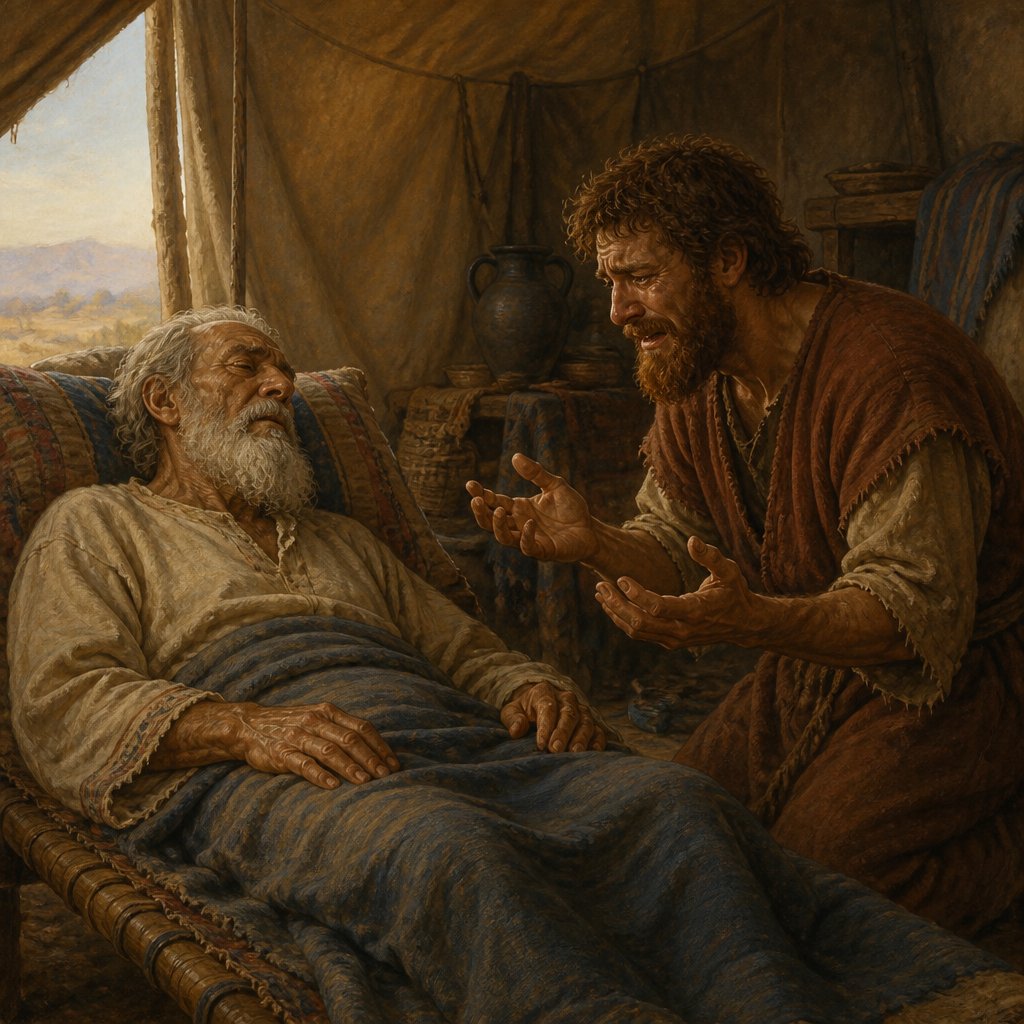
Genesis 27:36 (KJV) states, "And he said, Is not he rightly named Jacob? for he hath supplanted me these two times: he took away my birthright; and, behold, now he hath taken away my blessing. And he said, Hast thou not reserved a blessing for me?" This poignant moment in the life of Esau captures the deep emotional turmoil that arises from deception and regret, as well as the complexities of God's plan amid human actions.
At the heart of this verse is the name 'Jacob,' which means 'supplanter' or 'heel grabber.' This name perfectly encapsulates the very essence of Jacob’s actions—he lived up to what his name suggested, taking from his brother Esau not once, but twice: first, his birthright in exchange for a bowl of stew, and now, the blessing intended for him. Esau’s anguished question, "Hast thou not reserved a blessing for me?" rings with sorrow and disbelief. It’s a moment of desperation and heartbreak, showcasing the stark reality of loss and betrayal.
As we reflect on this narrative, we must first recognize the theme of identity that is intricately woven into this story. Names in the Bible carry significant weight and reflect the character of individuals. Esau’s lamentation about Jacob’s name prompts us to ponder our own identities. Are we living up to the name we have been given in Christ?
In our lives, we each carry names that may define biological identity, but more importantly, we carry the name of Christ as followers of Him. We are called Christians, which means "little Christs." Our identity in Christ is not one of deception or theft but rather one of grace, honor, and calling. How often do we allow the actions and decisions of others to influence our perception of ourselves?
Esau's sense of loss reflects our struggle when we feel deprived of God's blessings or when we see others succeed where we have failed. However, we must remember that God’s blessings are not limited or exclusive. He has a unique plan for each of us—an individualized blessing that He promises in His Word. Though it might seem as though others are receiving the favor we desire, it is essential to trust in God's timing and plan for our own lives.
Furthermore, there is a lesson on forgiveness embedded in this story. Esau, in his pain, could easily choose bitterness towards Jacob for the duplicity he faced. Yet, the narrative later unfolds to reveal that he ultimately embraces Jacob with forgiveness and reconciliation (Genesis 33). This act of forgiveness is not weakness; rather, it is a powerful declaration of strength. By forgiving, we liberate ourselves from the burden of resentment, allowing healing to occur within our hearts.
We also need to acknowledge the complexity of human emotions and decisions represented here. Isaac, their father, had a role in this situation, unknowingly facilitating Jacob's deception. This teaches us that family dynamics can be complicated, influenced by favoritism and personal desires. In our families, conflicts may arise that leave us feeling like Esau—betrayed or overlooked. Yet, the Scriptures remind us that we must strive for unity and peace, focusing on love and understanding rather than division.
In conclusion, Genesis 27:36 serves as a reflection of our journey through life—a journey filled with mistakes, misunderstandings, and the search for identity and blessing. May we find the courage to forgive as Esau did, the wisdom to recognize our gifts as unique to our calling, and the strength to uplift one another in love rather than jealousy. The tale of Jacob and Esau is not just one of rivalry but a profound reminder of God’s continual grace in our imperfect lives, urging us to rise above our circumstances and pursue a higher calling. May our names signify not our past that may bind us but the victorious future we have in Christ.
Get our apps


Artwork for Genesis 27:36

Genesis 27:36 - "And he said, Is not he rightly named Jacob? for he hath supplanted me these two times: he took away my birthright; and, behold, now he hath taken away my blessing. And he said, Hast thou not reserved a blessing for me?"
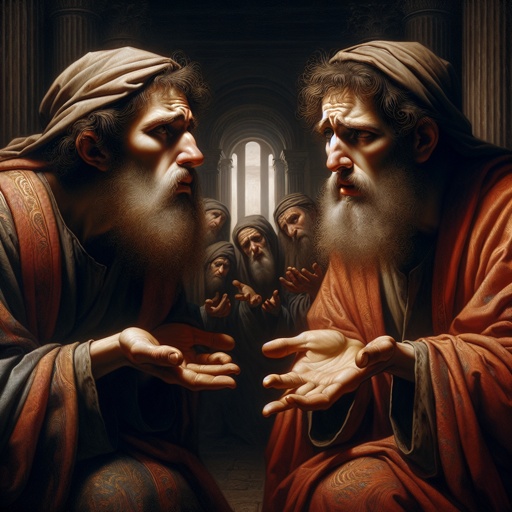
Genesis 27:36 KJV And he said, Is not he rightly named Jacob? for he hath supplanted me these two times: he took away my birthright; and, behold, now he hath taken away my blessing. And he said, Hast thou not reserved a blessing for me?
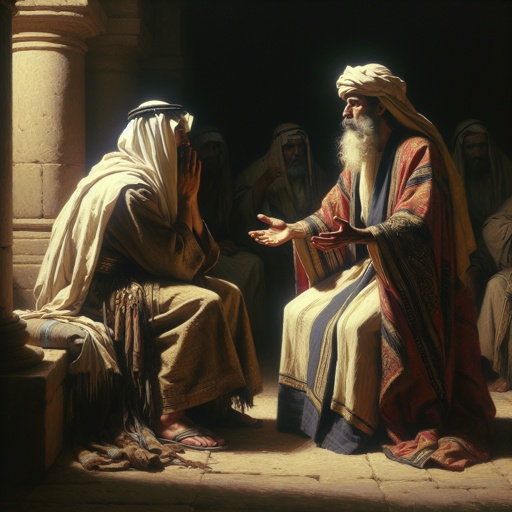
Genesis 27:36 KJV And he said, Is not he rightly named Jacob? for he hath supplanted me these two times: he took away my birthright; and, behold, now he hath taken away my blessing. And he said, Hast thou not reserved a blessing for me?
"And he said, Is not he rightly named Jacob? for he hath supplanted me these two times: he took away my birthright; and, behold, now he hath taken away my blessing. And he said, Hast thou not reserved a blessing for me?" - Genesis 27:36

Genesis 36:27 - "The children of Ezer are these; Bilhan, and Zaavan, and Akan."

"The children of Ezer are these; Bilhan, and Zaavan, and Akan." - Genesis 36:27

Genesis 36:36 - "And Hadad died, and Samlah of Masrekah reigned in his stead."

Matthew 27:36 - "And sitting down they watched him there;"

Genesis 24:36

Genesis 19-36

Exodus 36:27 - "And for the sides of the tabernacle westward he made six boards."

Acts 27:36 - "Then were they all of good cheer, and they also took some meat."

Genesis 36:28 - "The children of Dishan are these; Uz, and Aran."

"And Hadad died, and Samlah of Masrekah reigned in his stead." - Genesis 36:36

"And sitting down they watched him there;" - Matthew 27:36

Genesis 36:3 - "And Bashemath Ishmael's daughter, sister of Nebajoth."

Genesis 36:19 - "These are the sons of Esau, who is Edom, and these are their dukes."

Genesis 36:1 - "Now these are the generations of Esau, who is Edom."

Genesis 36:26 - "And these are the children of Dishon; Hemdan, and Eshban, and Ithran, and Cheran."

Genesis 36:42 - "Duke Kenaz, duke Teman, duke Mibzar,"

Genesis 36:9 - "¶ And these are the generations of Esau the father of the Edomites in mount Seir:"

Genesis 36:41 - "Duke Aholibamah, duke Elah, duke Pinon,"

Job 36:27 - "For he maketh small the drops of water: they pour down rain according to the vapour thereof:"

Genesis 36:8 - "Thus dwelt Esau in mount Seir: Esau is Edom."

Genesis 19:36 - "Thus were both the daughters of Lot with child by their father."

Genesis 36:25 - "And the children of Anah were these; Dishon, and Aholibamah the daughter of Anah."

Genesis 36:4 - "And Adah bare to Esau Eliphaz; and Bashemath bare Reuel;"

Genesis 36:11 - "And the sons of Eliphaz were Teman, Omar, Zepho, and Gatam, and Kenaz."

Ezekiel 27:36 - "The merchants among the people shall hiss at thee; thou shalt be a terror, and never shalt be any more."

Genesis 36:23 - "And the children of Shobal were these; Alvan, and Manahath, and Ebal, Shepho, and Onam."