A Journey of Faith: Trusting in God's Promises
“So that I come again to my father’s house in peace; then shall the LORD be my God:” — Genesis 28:21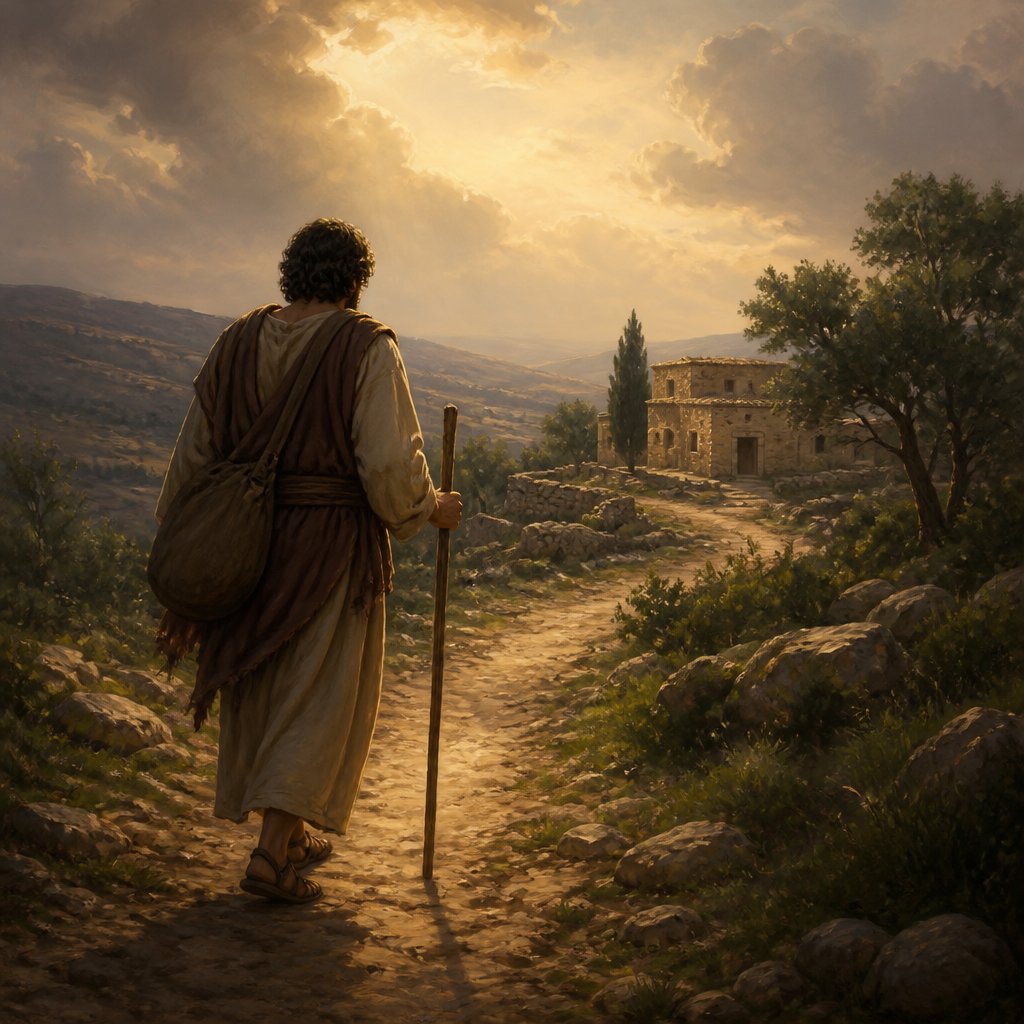
In Genesis 28:21, we find Jacob in a moment of vulnerability and transition: "So that I come again to my father's house in peace; then shall the LORD be my God." This pivotal verse encapsulates not only Jacob's plea but also his transformative journey—both in a physical sense and in his relationship with God. Jacob’s journey begins with a desperate need for safety and a longing for reconciliation, but it also marks the beginning of a profound spiritual awakening.
Jacob had just fled from his home after deceiving his father Isaac and stealing the blessing that was meant for his brother Esau. He was alone, traveling to an uncertain future, beset by fear and turmoil. Yet in his solitude, Jacob encounters God—not in the comfort of his father’s house but in the wilderness. This is where God’s grace meets our desperation. It is often in our moments of greatest turmoil that we can hear the whisper of God calling us.
In this moment of crisis, Jacob expresses a wish born out of necessity—he desires to return to his father's house in peace. Here, we see the heart of a man grappling with the consequences of his actions while also seeking the purity of divine peace. Jacob’s acknowledgment of the need for peace highlights the truth that our journey with God often begins in the midst of our struggles and insecurities.
Moreover, Jacob makes a conditional statement: "then shall the LORD be my God." This declaration is profound, as it indicates a pivotal moment of faith where Jacob is recognizing God’s sovereignty over his life. His commitment is based on the assurance of peace and restoration, which signifies a turning point. But God seeks more than a transactional relationship; he desires a covenantal relationship with us. Jacob’s conditions reflect our human tendency to approach God with expectations. How often do we find ourselves placing conditions on our faith? How often do we negotiate with God, promising to serve Him if He meets our needs?
This scripture challenges us to examine our own walk with God. Do we turn to Him only when life’s storms surge? Or do we foster a continual relationship, one not built solely on what we stand to gain but on a genuine desire to know Him? Jacob’s journey is one of evolution from dealing with God as a mere necessity to embracing Him as a sincere and everlasting relationship. What a profound lesson we learn from Jacob!
In Jacob’s story, we also see a foreshadowing of the New Covenant that would come through Christ. Just as Jacob sought to return home to peace, we, too, yearn for the peace that surpasses all understanding—a peace that only God can provide through His Son, Jesus. Our restoration and true homecoming occur not just in physical places but in our hearts when we align with God’s purpose and seek Him wholeheartedly.
As we reflect on Jacob’s journey, let us remember that it is okay to be in a state of uncertainty while trusting God for our future. Like Jacob, we may find ourselves wandering, but God is ever-present, guiding us through our darkest valleys. May we approach Him not just in our demands or needs but in our thanksgiving and praise, declaring Him as our God for who He is and not merely for what He can give.
In conclusion, Genesis 28:21 is not just about Jacob’s legacy; it is about our own commitment to God. Let us embolden ourselves to echo Jacob’s proclamation, reaffirming that the LORD indeed shall be our God—no conditions required—because He is worthy of our trust and devotion. Let us walk in faith, knowing that God hears our cries, understands our needs, and desires to lead us into a peaceful relationship with Him.
Get our apps


Artwork for Genesis 28:21

Genesis 28-21

Genesis 28:21 - "So that I come again to my father's house in peace; then shall the LORD be my God:"
"So that I come again to my father's house in peace; then shall the LORD be my God:" - Genesis 28:21

Genesis 21:28

Genesis 21:28 - "And Abraham set seven ewe lambs of the flock by themselves."
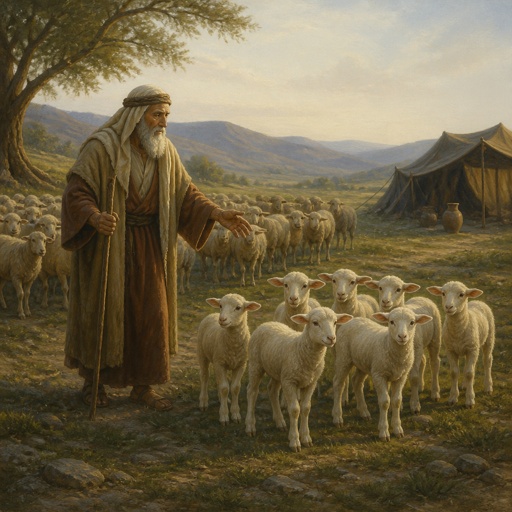
"And Abraham set seven ewe lambs of the flock by themselves." - Genesis 21:28

Genesis 21-21

Genesis 28-15

Genesis 28-12

Genesis 28-16

Genesis 28-22

Genesis 28-17

Genesis 28:18

Genesis 24:28

Genesis 28:18

Genesis 28-20

Genesis 28-13

Genesis 28-19

Genesis 28-14

Genesis 28-11

Genesis 19-28

Genesis 28:10

Genesis 18-28
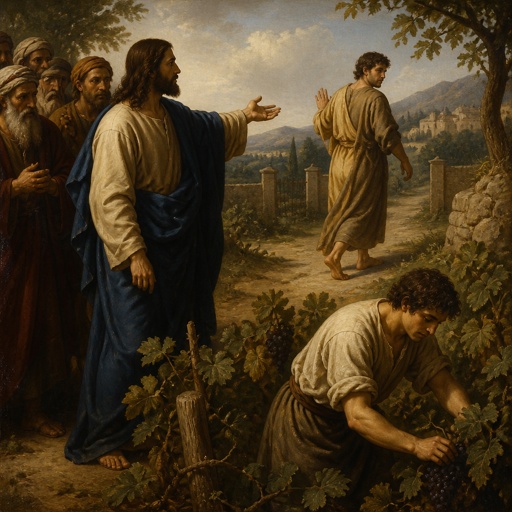
Matthew 21:28-32

Genesis 10:28 - "And Obal, and Abimael, and Sheba,"

Genesis 1:21

Genesis 1:21

Genesis 36:28 - "The children of Dishan are these; Uz, and Aran."

Genesis 35:28 - "And the days of Isaac were an hundred and fourscore years."

Genesis 21-20