The Pursuit of Acceptance: Esau’s Choice
“Then went Esau unto Ishmael, and took unto the wives which he had Mahalath the daughter of Ishmael Abraham’s son, the sister of Nebajoth, to be his wife.” — Genesis 28:9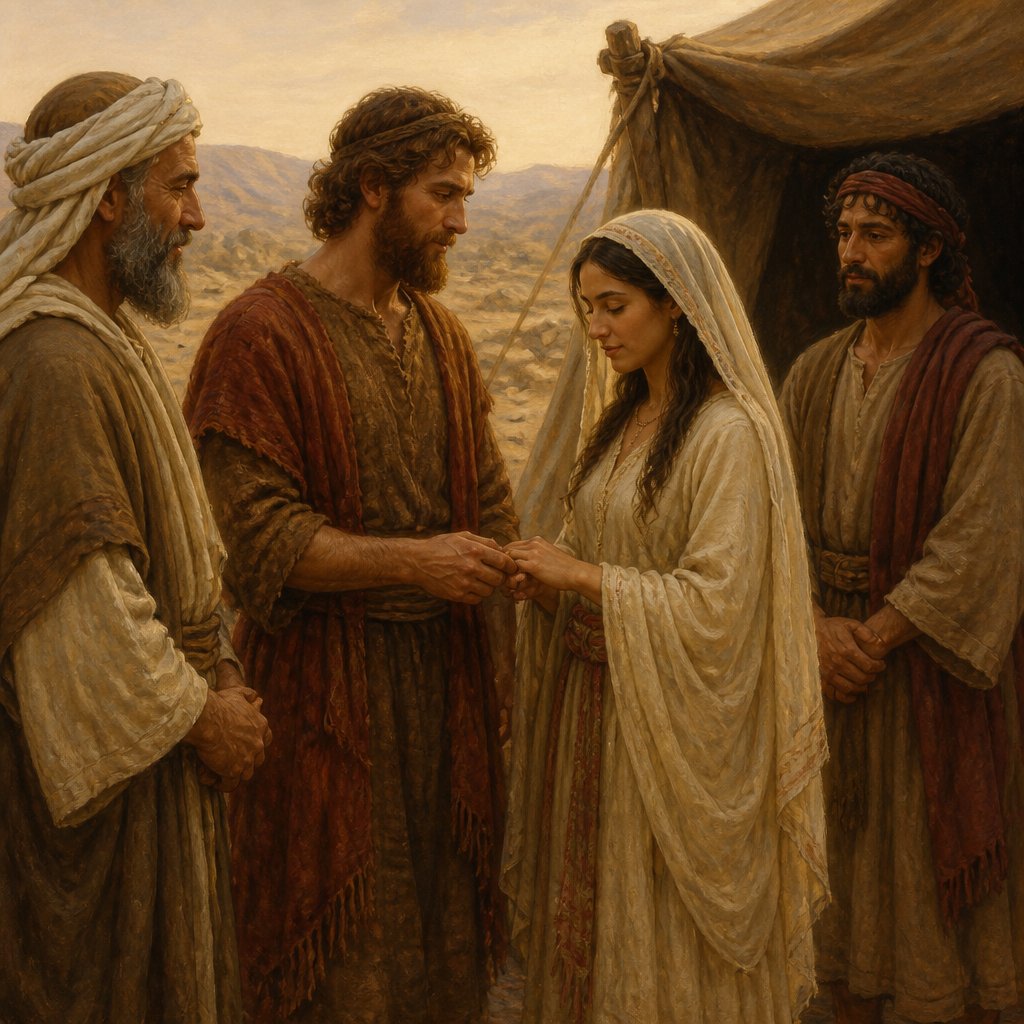
In the book of Genesis, chapter 28, verse 9, we are drawn into a moment of familial tension and cultural significance as it recounts, "Then went Esau unto Ishmael, and took unto the wives which he had Mahalath the daughter of Ishmael Abraham's son, the sister of Nebajoth, to be his wife." This verse, though concise, opens a rich tapestry of insights regarding lineage, identity, and the consequences of choices made under the shadow of strife.
To fully appreciate the gravity of Esau’s decision, we must first contextualize it. Esau was a man who had been in the midst of a family crisis. Having sold his birthright for a meal to his brother Jacob, he found himself at odds not only with his brother but also with his parents' wishes. The tension escalated when Jacob received the blessing that rightfully belonged to Esau by virtue of being the firstborn. With his mother’s help, Jacob participated in this deception, and the estrangement that followed drove Esau deep into despair. This pivotal moment in his life propelled him towards seeking the approval of those he believed would accept him, even at a cost.
Esau's choice to marry Mahalath, the daughter of Ishmael, is laden with symbolism. Ishmael was the son of Abraham, albeit through Hagar, the maidservant, rather than Sarah, the matriarch. By choosing a wife from the line of Ishmael, Esau was attempting to align himself with a segment of his family heritage that was both connected to his lineage as a grandson of Abraham yet simultaneously marked by separation from the covenantal blessings given to Isaac, the child of promise. This act reveals a desperate attempt to claim his identity amidst familial rejection.
Often, people seek relationships to navigate feelings of acceptance and belonging. Esau, by marrying Mahalath, signals his intention to forge a new identity rooted in connection rather than rivalry. His actions compel us to ponder our relational choices. Are we, like Esau, seeking validation through associations that may not align with our values? Are we choosing companionship out of desperation rather than conviction? Esau’s choice, while perhaps understandable in his context, demonstrates the pitfalls of pursuing acceptance at any cost.
Moreover, this narrative prompts us to reflect on the implications of generational legacy. Esau, as a descendant of Abraham, had access to an extraordinary heritage, filled with divine promises and blessings. Yet, he traded a portion of that legacy for immediate gratification and social standing. What a poignant reminder that what we value today may not necessarily align with God’s ultimate plan for our lives!
The allure of marrying Mahalath may have offered Esau a fleeting sense of belonging, but ultimately, it did not restore the fractured relationship with his family. He was still viewed as the one who had forfeited his birthright. This illustrates the reality that while we may pursue acceptance from the world, it is our standing before God and adherence to His will that ultimately define us.
As we meditate on Genesis 28:9, let us examine our motivations behind our life choices, particularly in our relationships. Are we making decisions based on the desire for societal acceptance? Are we compromising our values to align with others? God invites us to find our identity in Him, where true acceptance resides. Unlike human relationships, which may fail us, our relationship with God is rooted in unconditional love and acceptance.
Let us seek wisdom from God’s word, where we can find our true identity and purpose. In doing so, we also allow His promises to shape our decisions rather than the fleeting desires for acceptance. May we choose wisely, grounding our identity not in culture or family strife but firmly in the love of Christ.
Get our apps


Artwork for Genesis 28:9

Genesis 28:9 - "Then went Esau unto Ishmael, and took unto the wives which he had Mahalath the daughter of Ishmael Abraham's son, the sister of Nebajoth, to be his wife."

Genesis 28:9 KJV Then went Esau unto Ishmael, and took unto the wives which he had Mahalath the daughter of Ishmael Abraham's son, the sister of Nebajoth, to be his wife.
"Then went Esau unto Ishmael, and took unto the wives which he had Mahalath the daughter of Ishmael Abraham's son, the sister of Nebajoth, to be his wife." - Genesis 28:9

Genesis 9:28 - "¶ And Noah lived after the flood three hundred and fifty years."
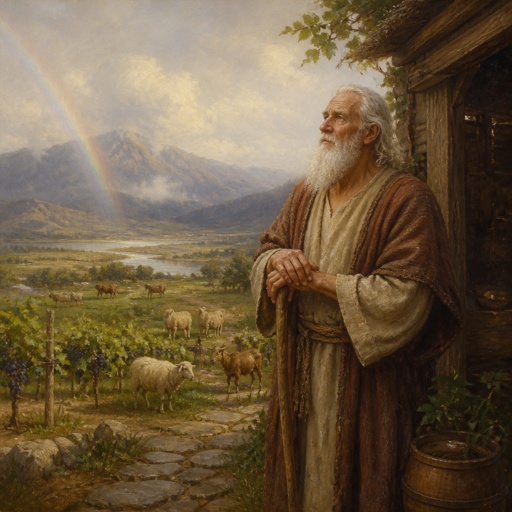
"¶ And Noah lived after the flood three hundred and fifty years." - Genesis 9:28

Genesis 28-15

Genesis 28-22

Genesis 28-12

Genesis 28-21

Genesis 28-16

Genesis 28-17

Genesis 28:18

Genesis 24:28

Genesis 28:18

Genesis 21:28

Genesis 28-20

Genesis 28-19

Genesis 28-11

Genesis 28-14

Genesis 28-13

Genesis 19-28

Genesis 28:10

Genesis 18-28

Genesis 10:28 - "And Obal, and Abimael, and Sheba,"

Genesis 36:28 - "The children of Dishan are these; Uz, and Aran."

Genesis 35:28 - "And the days of Isaac were an hundred and fourscore years."

Luke 9:28-45

Genesis 21:28 - "And Abraham set seven ewe lambs of the flock by themselves."

"And Obal, and Abimael, and Sheba," - Genesis 10:28

Genesis 5:28 - "¶ And Lamech lived an hundred eighty and two years, and begat a son:"