Seeing Beyond Affliction: The Hope of Leah's Story
"And Leah conceived, and bare a son, and she called his name Reuben: for she said, Surely the LORD hath looked upon my affliction; now therefore my husband will love me." - Genesis 29:32
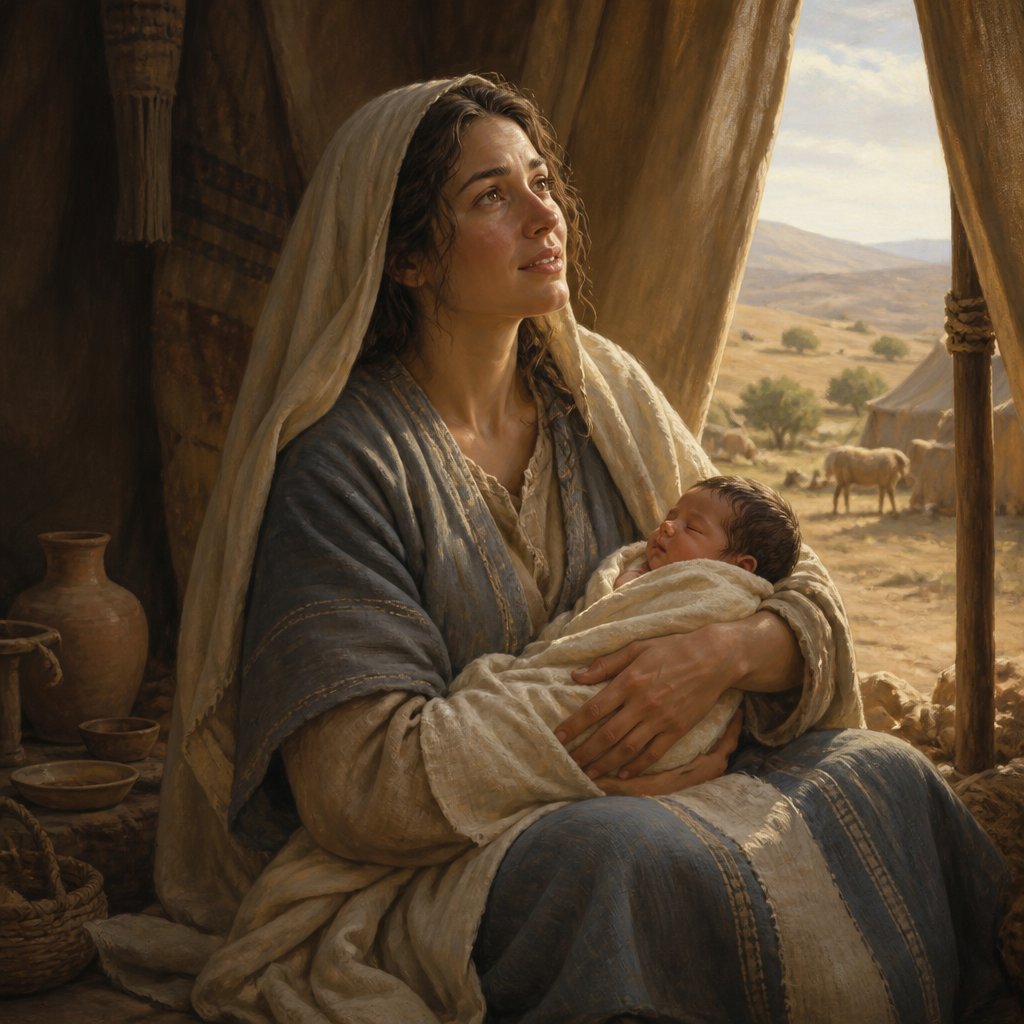
In Genesis 29:32, we read, "And Leah conceived, and bare a son, and she called his name Reuben: for she said, Surely the LORD hath looked upon my affliction; now therefore my husband will love me." This verse lays bare the complex emotions of a woman who is caught in a heartbreaking situation—one that might resonate with many of us today.
Leah, the first wife of Jacob, endured a difficult life marked by feelings of rejection, insecurity, and longing for love. She was the unloved wife, overshadowed by her sister Rachel, who captivated Jacob’s heart. In this patriarchal context, a woman’s worth was often tied to her fertility and the affection she received from her husband. Leah's longing for Jacob's love reveals deep emotional scars, yet it also opens a door to understanding God's providence in her life.
When Leah first conceives and bears a son, she names him Reuben, which means "Behold, a son!" This name encapsulates not only the joy of motherhood but also her desperate plea for recognition: "Surely the LORD hath looked upon my affliction." Here we see Leah's acknowledgment of God in her life. Even amidst her pain and the shadows of rejection, she recognizes the hand of the Lord, who has seen her suffering.
Leah's declaration that God has seen her affliction is profound. It signals the first step towards healing and the beginning of her journey toward understanding her own worth. How often do we equate our identity and self-worth with how others perceive us? Leah's pursuit of love from Jacob reflects a common yearning in humanity—the need to be seen and valued, especially by those closest to us.
Yet Leah's story is not just about her yearning for human love; it illustrates the greater truth that God loves us unconditionally, irrespective of our circumstances or the affections we receive from others. Despite her husband's indifference, God bestowed blessings upon Leah, highlighting that our value does not diminish when others overlook us.
It’s important to reflect on what we do in our own afflictions. In moments of pain, do we seek validation from people who may not return our affections? Or do we lean into our relationship with God, knowing that He hears and sees us in our moments of despair? Leah's assertion that the Lord has looked upon her affliction invites us to surrender our burdens to Him, for He is intimately acquainted with our struggles.
However, the name Reuben also carries a deeper significance: it is an invitation to each of us to look beyond immediate circumstances. It challenges us to recognize the potential for blessings that arise from our trials. While Leah hoped that her firstborn child would win Jacob’s love, Reuben would become a part of a much larger story of God's chosen people. Leah's lineage would contribute to the birth of the twelve tribes of Israel.
In reflecting upon Leah's experience, we are reminded that our afflictions do not define our futures. God often uses our deepest struggles to usher in His divine plans. Leah’s journey teaches us that pain can be transformed into purpose. While she sought validation, God's timing and plans—though they may be shrouded in mystery—were for her good and for all humanity.
As we meditate on Genesis 29:32, let us embrace the truth that God knows our afflictions and sees our hearts. Let us bring our wounds before Him, trusting that He is not only aware of our trials but is actively working in them. In our expectations of love and recognition, may we redirect our focus towards the eternal love of the Father, who proves His loyalty and affection regardless of our circumstances.
May Leah’s story encourage you to find your worth not in the fleeting approval of others but in the steadfast love of God, who sees, understands, and walks with us through every valley.
Want to reflect more on Genesis 29:32?
Continue your spiritual journey with Bible Chat — an AI-powered tool for exploring God's Word through conversation. Ask questions, discover connections, and deepen your understanding.
Get Our Apps


Genesis 29:32 Artwork

Genesis 29:32 - "And Leah conceived, and bare a son, and she called his name Reuben: for she said, Surely the LORD hath looked upon my affliction; now therefore my husband will love me."
"And Leah conceived, and bare a son, and she called his name Reuben: for she said, Surely the LORD hath looked upon my affliction; now therefore my husband will love me." - Genesis 29:32

Genesis 32:29 - "And Jacob asked him, and said, Tell me, I pray thee, thy name. And he said, Wherefore is it that thou dost ask after my name? And he blessed him there."

1 Kings 11:29-32

Genesis 19-32

Genesis 27:32

Genesis 25-32

Genesis 18-32

Genesis 24-32

Genesis 21-32

Deuteronomy 32:29 - "O that they were wise, that they understood this, that they would consider their latter end!"

Genesis 29:29 - "And Laban gave to Rachel his daughter Bilhah his handmaid to be her maid."

Genesis 29-2

Genesis 29-6

Genesis 29-5

Genesis 42:29

Genesis 29:1

Genesis 29-7

Genesis 18-29

Genesis 26:29

Genesis 19-29

Genesis 29-8

Genesis 29-3

Genesis 29-4

Genesis 21-29

Genesis 24-29

Numbers 29:32 - "¶ And on the seventh day seven bullocks, two rams, and fourteen lambs of the first year without blemish:"

Exodus 29:32 - "And Aaron and his sons shall eat the flesh of the ram, and the bread that is in the basket, by the door of the tabernacle of the congregation."

Genesis 29:16-35

Genesis 29:15-30