The God Who Hears: Understanding Affliction and Divine Response
"And she conceived again, and bare a son; and said, Because the LORD hath heard that I was hated, he hath therefore given me this son also: and she called his name Simeon." - Genesis 29:33
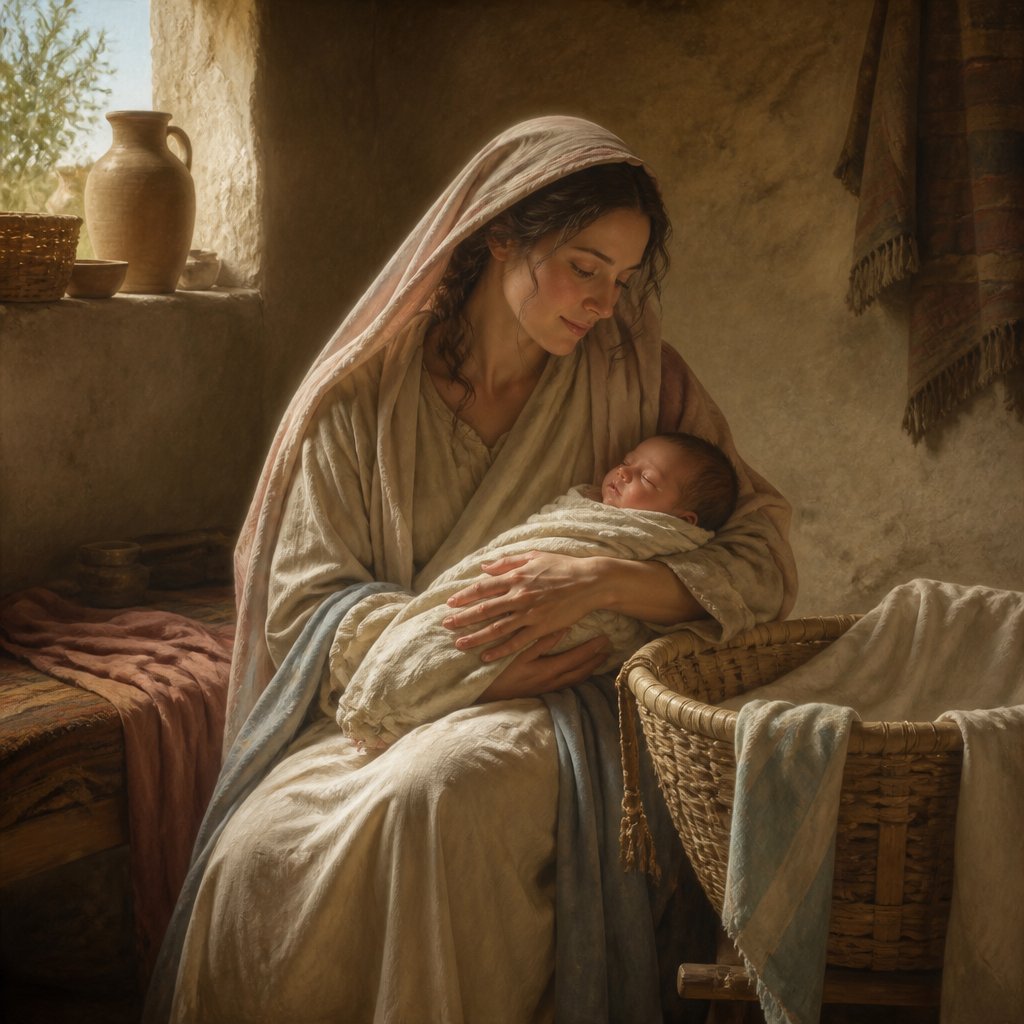
Genesis 29:33 states, "And she conceived again, and bare a son; and said, Because the LORD hath heard that I was hated, he hath therefore given me this son also: and she called his name Simeon." This passage speaks volumes about the heart of Leah, the wife of Jacob, and the profound relationship between human suffering and divine intervention.
To fully appreciate Leah's plight and this verse, we must consider her circumstances. Leah was born into a world rife with affection and rivalry, particularly with her sister Rachel, who was the more beloved. The opening chapters of Genesis highlight Leah's struggle for acceptance and love. Despite bearing children, she constantly measured her worth against her sister’s seeming desirability. When Leah conceived her second son, Simeon, she expressed a moment of profound realization that God was attentive to her pain. Her declaration—"Because the LORD hath heard that I was hated"—reveals her deep emotional scars but also illustrates the beautiful truth of God’s attentive presence in moments of despair.
Leah’s acknowledgment that the Lord "hath heard" signifies a shift in her understanding of her relationship with God. Instead of seeing herself as a mere pawn in the familial conflict, she began to recognize her own value in God’s eyes. The name Bible scholars attribute to Simeon is rooted in the Hebrew word "shama," meaning “to hear.” This is not just a passing moment of naming; it’s an invocation of divine action in Leah’s narrative. By saying that God heard her, Leah placed her faith in the divine response to her pain—a recognition that even when we feel unloved and overlooked, there is a God who sees, hears, and understands.
In a world where ‘being heard’ is often sought but rarely found, Leah's story resonates with many today. Like Leah, we sometimes feel invisible, unloved, or unworthy. The pressures of societal affections, workplace dynamics, and even familial relationships can bring about a sense of despair. When people we love do not respond to us in the ways we yearn for, it can lead to feelings of isolation or insignificance. However, Leah teaches us that it is God who ultimately validates our existence. He sees our struggles and hears our silent cries, even when the world around us is indifferent.
The emotional turmoil and rejection Leah experienced remind us that being chosen or accepted by one person does not define our worth. The Lord's involvement in Leah’s life symbolizes the profound truth that God is attuned to our hearts, even in our darkest moments. When she bore Simeon, it wasn’t just another son; it was God’s assurance of His presence and His hearing. God’s actions towards Leah exemplify His desire to enter into our suffering and to provide solace that paves the way for healing.
Furthermore, the pattern established through Leah and her children reveals how God utilizes our experiences, even pain and hardship, to shape our lives purposefully. Each child she bore carried with them a story intertwined with God’s faithfulness. In this sense, Simeon became part of a divine narrative that unfolded throughout Israel’s history. Similarly, our struggles and adversities can contribute meaningfully to our lives, given that we allow God to work through them.
As believers, we must hold firmly to the truth that God hears us. In prayer, we can talk to Him about our feelings of insecurity, disappointment, and heartbreak. He invites us to do so not just as a formality but as a means of honest relationship. Just as God responded to Leah’s deep yearning for acceptance by allowing her to bear Simeon, let us find comfort in knowing that He is actively involved in our journeys. He is the God who hears our cries, understands our pain, and responds with compassion and purpose.
Therefore, let us celebrate the God who hears; may we find strength in our vulnerabilities and hope in His redemptive listening. In our moments of anguish, we are called to remember that our stories matter, that we are seen, and that we are loved beyond measure.
Want to reflect more on Genesis 29:33?
Continue your spiritual journey with Bible Chat — an AI-powered tool for exploring God's Word through conversation. Ask questions, discover connections, and deepen your understanding.
Get Our Apps


Genesis 29:33 Artwork

Genesis 29:33 - "And she conceived again, and bare a son; and said, Because the LORD hath heard that I was hated, he hath therefore given me this son also: and she called his name Simeon."
"And she conceived again, and bare a son; and said, Because the LORD hath heard that I was hated, he hath therefore given me this son also: and she called his name Simeon." - Genesis 29:33

Numbers 33:29 - "And they went from Mithcah, and pitched in Hashmonah."

Job 33:29 - "Lo, all these things worketh God oftentimes with man,"

Genesis 19-33

Genesis 21-33

Genesis 18-33

Genesis 24-33

Genesis 25-33

2 Chronicles 29:33 - "And the consecrated things were six hundred oxen and three thousand sheep."

Genesis 29:29 - "And Laban gave to Rachel his daughter Bilhah his handmaid to be her maid."

Genesis 29-2

Genesis 29-6

Genesis 29-5

Genesis 42:29

Genesis 29:1

Genesis 29-7

Genesis 18-29

Numbers 29:33 - "And their meat offering and their drink offerings for the bullocks, for the rams, and for the lambs, shall be according to their number, after the manner:"

Genesis 26:29

Genesis 19-29

Genesis 29-8

Genesis 29-3

Genesis 29-4

Genesis 21-29

Genesis 24-29

"And they went from Mithcah, and pitched in Hashmonah." - Numbers 33:29

Genesis 33:6 - "Then the handmaidens came near, they and their children, and they bowed themselves."

Genesis 33:20 - "And he erected there an altar, and called it El-elohe-Israel."

Genesis 29:16-35