The Consequence of Choice: Understanding the Tree of Knowledge
“But of the tree of the knowledge of good and evil, thou shalt not eat of it: for in the day that thou eatest thereof thou shalt surely die.” — Genesis 2:17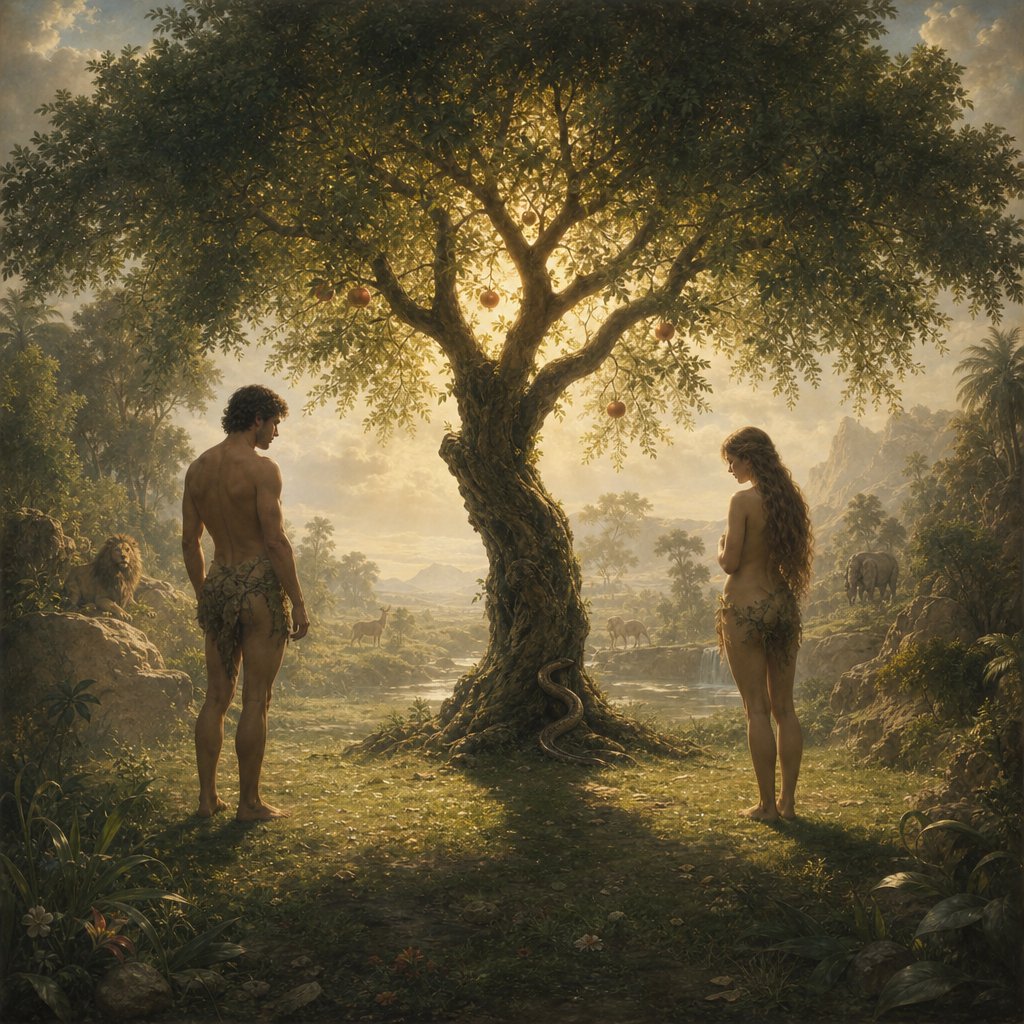
In the sacred narrative of Genesis, chapter 2, verse 17, we encounter a pivotal moment in the unfolding tale of humanity’s relationship with God: "But of the tree of the knowledge of good and evil, thou shalt not eat of it: for in the day that thou eatest thereof thou shalt surely die" (KJV). This verse serves not only as a command but as a profound insight into the nature of choice, obedience, and the consequences that follow.
At the heart of this scripture is God’s directive to Adam regarding the tree of the knowledge of good and evil. The command itself illustrates the fundamental principle of free will endowed by the Creator. God, in His infinite wisdom, has granted humanity the ability to choose, and that choice is inherently tied to the moral framework He established.
God’s command is clear and unambiguous: there is an option presented with a drastic consequence. This is not merely an arbitrary prohibition but a protective measure meant to shield humanity from the potential corruption of sin and death. The term "knowledge of good and evil" signifies not just intellectual understanding but an experiential knowledge that could lead to moral decay. In essence, it warns of the dangers that come when we pursue knowledge apart from God’s guidance and intention.
To comprehend the weightiness of the statement "thou shalt surely die," we must delve into what it means to die spiritually, relationally, and physically. The immediate consequence of eating from this tree was not just physical death; rather, it implied a separation from God—spiritual death. Adam and Eve's disobedience led to a fracture in their intimate communion with the Creator. Prior to this act, they existed in perfect harmony, basking in the glory of God's presence. Their rebellion introduced a chasm that not only affected them but all of humanity following.
How often do we, like Adam and Eve, stand before choices laden with consequences? We often find ourselves drawn to decisions that may seem enticing at first glance yet harbor the potential for destruction. The world around us constantly tempts us with trees of knowledge—information, power, pleasure—offering the illusion of freedom while potentially leading us into bondage.
This verse also reinforces the idea that disobedience to God is not merely a failure to follow rules but rather a decision that reverberates throughout our lives. Adam and Eve’s choice was one of disloyalty to their Creator; it illustrates the principle that rebellion against God’s commands brings unintended devastation. They sought autonomy yet found themselves enslaved by sin. Their action set in motion a catastrophic trajectory for humanity.
Yet, amid this grim reality lies the richness of God’s grace. As history unfolds, we see God's redemptive plan crafted in love and mercy through Jesus Christ, who both fulfills the law and offers reconciliation to humanity. The story does not end in death and despair but flows towards life and resurrection.
As we reflect on Genesis 2:17, let it serve as both a warning and an encouragement. This scripture invites us to weigh our choices carefully and reminds us of the loving restrictions God places in our lives. They are not meant to stifle our experience but to safeguard it. As the New Testament Apostle James exhorts, "But whoso looketh into the perfect law of liberty, and continueth therein, he being not a forgetful hearer, but a doer of the work, this man shall be blessed in his deed" (James 1:25).
May we seek the Lord’s guidance as we navigate life’s complexities. Let us remember that the true knowledge of good and evil is not found in rebellion but in obedience to God’s ways. As we encounter choices in our daily lives, let us choose wisdom, seek understanding, and ultimately, strive to walk in the light of God’s love and grace.
Get our apps


Artwork for Genesis 2:17

Genesis 2:17 - "But of the tree of the knowledge of good and evil, thou shalt not eat of it: for in the day that thou eatest thereof thou shalt surely die."

Genesis 2:17 KJVA (17) But of the tree of the knowledge of good and evil, thou shalt not eat of it: for in the day that thou eatest thereof thou shalt surely die.

Genesis 2:17 KJVA (17) But of the tree of the knowledge of good and evil, thou shalt not eat of it: for in the day that thou eatest thereof thou shalt surely die.
"But of the tree of the knowledge of good and evil, thou shalt not eat of it: for in the day that thou eatest thereof thou shalt surely die." - Genesis 2:17

Genesis 17:2

Genesis 17:2 - "And I will make my covenant between me and thee, and will multiply thee exceedingly."

Genesis 17-17

In the context of Genesis 17:1-2, Abraham prostrates himself in front of his tent while in the Judean wilderness.

Genesis 17-15

Genesis 17-23

Genesis 18-17

Genesis 17-27

Genesis 17-21

Genesis 17:6

Genesis 17:4

Genesis 20-17

Genesis 17:8

Genesis 28-17

Genesis 17-19

Genesis 21-17

Genesis 24-17

Genesis 17-22

Genesis 17:10

Genesis 17-12

Genesis 17:1

Genesis 17-14

Genesis 22-17

"And I will make my covenant between me and thee, and will multiply thee exceedingly." - Genesis 17:2

Genesis 17:7

Genesis 17:5