The Stealth of Departure: A Journey of Faith and Trust
“And Jacob stole away unawares to Laban the Syrian, in that he told him not that he fled.” — Genesis 31:20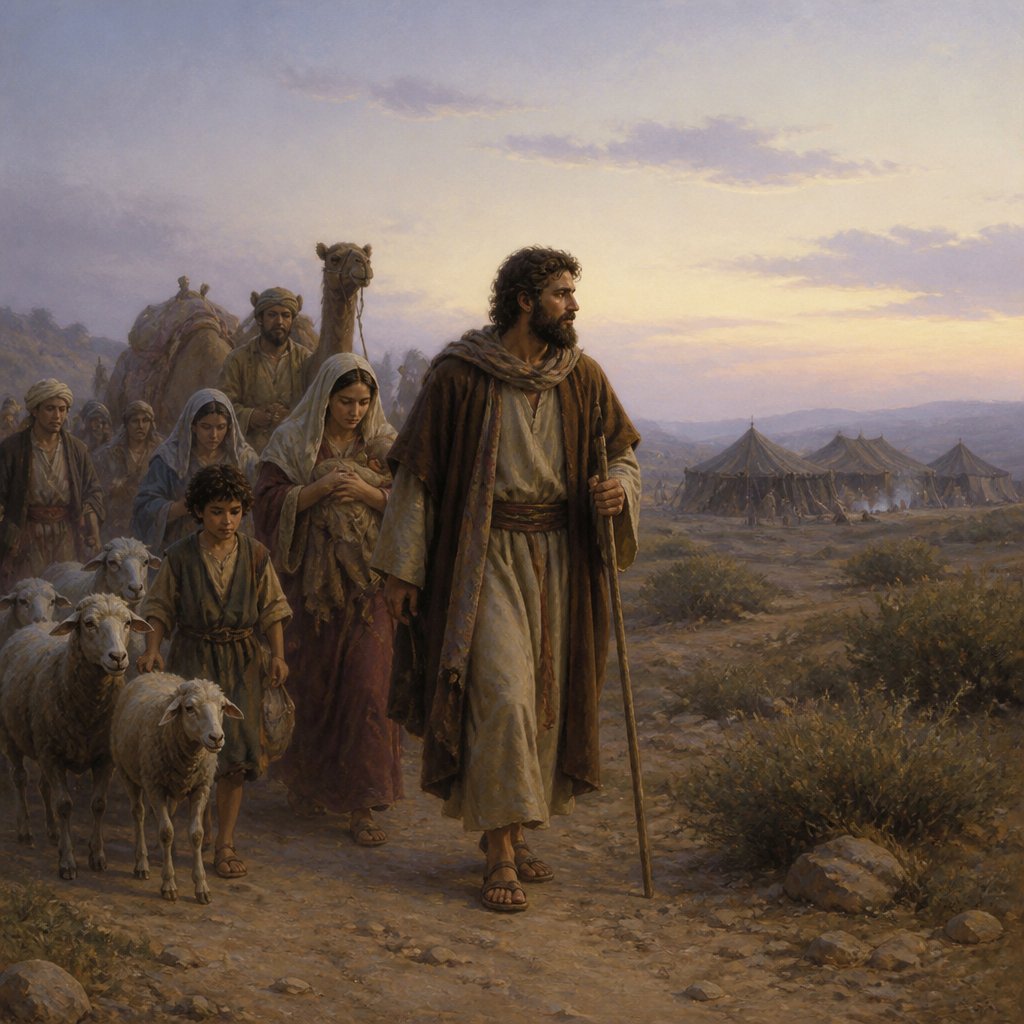
In the unfolding story of Jacob’s life, we encounter a pivotal moment in Genesis 31:20, which states, "And Jacob stole away unawares to Laban the Syrian, in that he told him not that he fled." This passage speaks volumes about the complexities of human relationships and the intricate weaving of God’s plans in our lives.
Here we find Jacob amidst significant turmoil. After spending over twenty years with his uncle Laban, working diligently and facing numerous challenges, Jacob decides it is time to leave. His relationship with Laban had been fraught with conflict and deceit. Laban altered Jacob’s wages ten times, and the environment had become increasingly hostile. Jacob had received a divine message instructing him to return to his homeland, but the manner in which he departed introduces themes of stealth, trust, and the struggle for freedom.
The term “stole away unawares” contrasts starkly with the idea of honest dealings and open communication. At first glance, one might interpret Jacob’s actions as deceptive or untrustworthy, yet this verse casts a spotlight on Jacob’s complicated situation. Jacob was fully aware of Laban's duplicitous nature; he had faced manipulation and trickery in his dealings with Laban from the very beginning. It begs the question: should Jacob have confronted his uncle directly? Would a frank conversation have changed their relationship, or would it have led to greater strife?
Jacob's choice to leave surreptitiously highlights his desire to escape an oppressive situation. For many of us, there are times in life when we feel compelled to leave behind toxic relationships or environments that stifle our growth. Jacob’s flight symbolizes a decisive break from a cycle of deceit and manipulation. Nevertheless, his stealth speaks to a deeper truth about our human nature — that often, the act of leaving can be shrouded in uncertainty. With such decisions come doubts and fears, as seen in Jacob’s heart.
Moreover, Jacob’s departure was not merely an act of fleeing; it was an act of faith. The journey back to Canaan symbolized a return to his identity, his heritage, and ultimately to the promises God made to him. Stealth may have been Jacob’s method of departure, but faith was the underlying driver. He trusted that God would protect him, guide him, and help him confront any consequences as he made his way back home. In our own lives, fleeing a situation may often seem necessary, but it is crucial to ensure that we are doing so under the steel of faith, trusting in God’s direction and timing.
As Christians, we should note that while our relationships may sometimes lead us to make difficult decisions, it is vital to listen to God’s voice above the noise. Each step Jacob took was directed by God’s hand. When we are faced with uncomfortable or harmful situations, we, too, must seek God’s guidance through prayer and scripture, asking for wisdom on how to navigate such circumstances.
Lastly, we must remember that even in our stealthy departures, we are still accountable for our actions. Jacob later faced Laban’s pursuit and had to confront the fallout of his decision. Just as Jacob found himself wrestling not only with Laban but also with God, we must glean wisdom from our choices. The journey of faith often necessitates difficult self-reflection and courage to face the consequences of our actions.
As we meditate on Jacob’s story, let us strive to build relationships grounded in transparency and faithfulness and heed God’s call with diligence. May the deliberation in our hearts align with the divine purposes set before us, trusting in God’s provision and guidance, even when the path seems unclear. May we remember that it is not merely how we depart from situations but the faith we carry into our next steps that will matter in our walk with the Lord.
Get our apps


Artwork for Genesis 31:20

Genesis 31:20 - "And Jacob stole away unawares to Laban the Syrian, in that he told him not that he fled."
"And Jacob stole away unawares to Laban the Syrian, in that he told him not that he fled." - Genesis 31:20

Genesis 21-31

Genesis 18-31

Genesis 31:35

Genesis 19-31

Genesis 24-31

John 20:30-31

Genesis 31:22 - "And it was told Laban on the third day that Jacob was fled."

Genesis 31:45 - "And Jacob took a stone, and set it up for a pillar."

Genesis 31:47 - "And Laban called it Jegarsahadutha: but Jacob called it Galeed."

Genesis 31:31 - "And Jacob answered and said to Laban, Because I was afraid: for I said, Peradventure thou wouldest take by force thy daughters from me."

Genesis 20

Genesis 34:31 - "And they said, Should he deal with our sister as with an harlot?"

Genesis 25:31 - "And Jacob said, Sell me this day thy birthright."

Genesis 31:2 - "And Jacob beheld the countenance of Laban, and, behold, it was not toward him as before."

Genesis 31:4 - "And Jacob sent and called Rachel and Leah to the field unto his flock,"

Genesis 37:31 - "And they took Joseph's coat, and killed a kid of the goats, and dipped the coat in the blood;"

Genesis 42:31 - "And we said unto him, We are true men; we are no spies:"

Luke 20:31 - "And the third took her; and in like manner the seven also: and they left no children, and died."

Genesis 20-18

Genesis 20-16

Genesis 15:20

Genesis 20-1

Genesis 20-15

Genesis 20-4

Genesis 20-13

Genesis 20-17

Genesis 20-3

Genesis 19-20