Mountains of Encounter: Lessons from Jacob and Laban
“Then Laban overtook Jacob. Now Jacob had pitched his tent in the mount: and Laban with his brethren pitched in the mount of Gilead.” — Genesis 31:25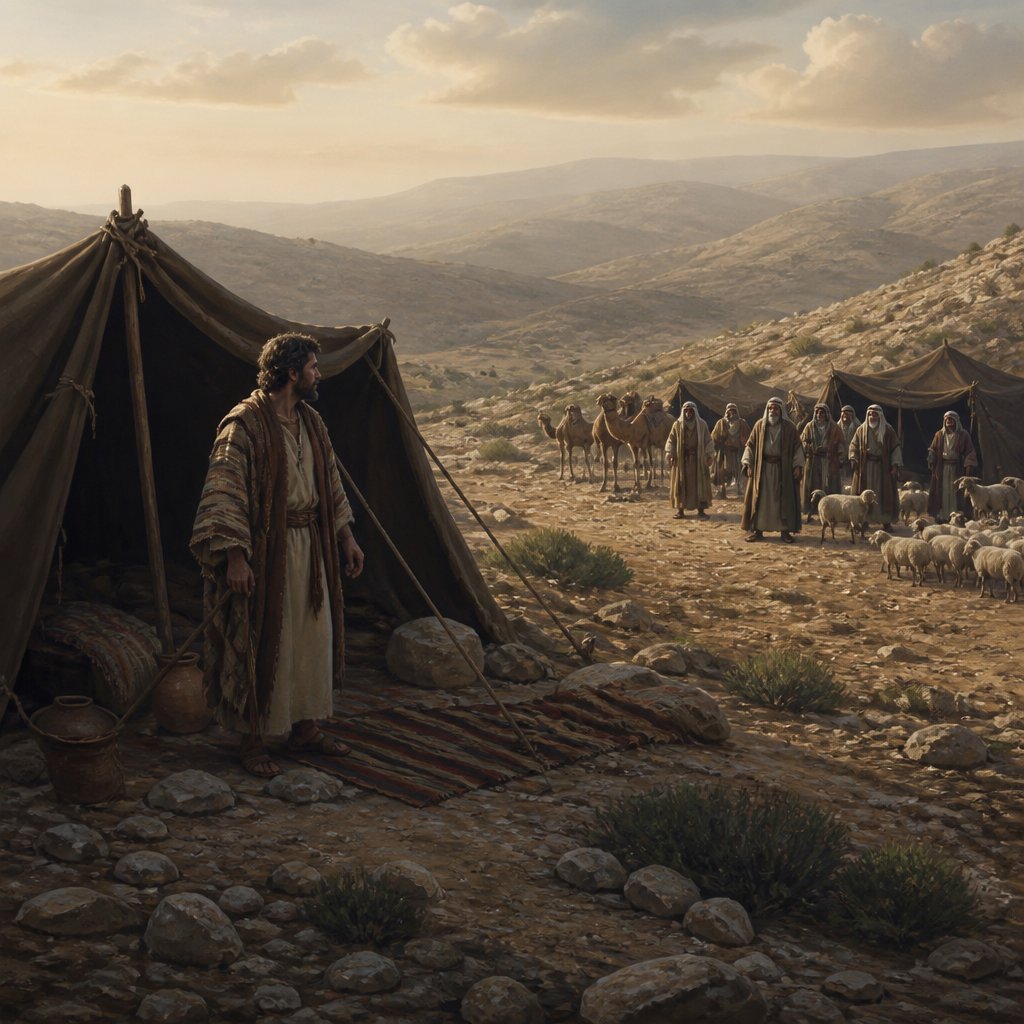
In the vast narrative of Scripture, Genesis 31:25 encapsulates a poignant moment in the saga of Jacob and Laban. Here, we read, "Then Laban overtook Jacob. Now Jacob had pitched his tent in the mount: and Laban with his brethren pitched in the mount of Gilead." This verse marks a significant turning point, not just in a physical journey, but in the spiritual and relational dynamics between these two key figures.
As we delve into this text, we find ourselves amidst a mountain, symbolizing both physical distance and spiritual heights. Mountains in the Bible often represent places of revelation and confrontation. They are settings where battles are fought—not always against physical adversaries but often against the deeper struggles within ourselves.
Laban, Jacob's father-in-law, whom he had served for many years, is now pursuing Jacob, a man caught in the tension of his past and the hope of his future. Jacob has fled Laban’s household with his family and possessions, seeking not only freedom but a new chapter in his life. The mountains represent the higher ground of decision-making. Here, Jacob’s choice to leave is both an act of courage and an acknowledgment of his need for divine intervention.
From this narrative, several lessons arise that can speak deeply into our lives today. **Firstly**, we learn about divine liberation. Jacob’s departure from Laban signifies a journey of emancipation from oppression. Laban had deceived Jacob multiple times, yet Jacob's desire for freedom leads him to a mountaintop experience—a place away from bondage. How often do we find ourselves feeling trapped in situations that seem insurmountable? When grappling with life's challenges, it is essential to identify our personal ‘Egypts’—those places or relationships that confine us. As Jacob did, we must be willing to undertake a journey toward liberation, trusting that God will guide our steps.
**Secondly**, the encounter on the mountain highlights the significance of facing our past. Jacob, despite being pursued, stands against Laban’s claim, representing growth and transformation. Previously, Jacob was a deceiver, but through his struggles and encounters with God, he has become a man of integrity. Laban’s pursuit forces Jacob to confront the legacy of deception that characterized his past. It is a powerful reminder that in our walk with God, we will surely face the repercussions of our choices. Yet, God’s grace is sufficient to lead us through these encounters, enabling us to rise above what we once were.
**Thirdly**, we observe the importance of familial and relational dynamics. Laban pitches his tent alongside Jacob, which illustrates the complexities of relationships, particularly in a family context. The physical proximity there on the mountain doesn't guarantee harmony. In fact, it often heightens tension. The presence of Laban signifies unresolved issues; both men bring their histories into this space. This relational tension opens up an opportunity for reconciliation but also poses risks of conflict. As believers, we are often confronted with how to navigate our relationships—whether they be strained or close. It calls for wisdom and grace to manage familial ties while adhering to God’s call on our lives.
Finally, the geographical reference to 'the mount of Gilead' is significant. The mountains of Gilead are known for healing. In this moment of confrontation, Jacob and Laban are at a crossroads—will they allow their past grievances to dictate their future, or will they seek reconciliation? Mountains often propose the challenges we must climb to reach a place of healing and restoration. God invites us on this journey, assuring us that the struggles we face in relationships can lead to a divine healing process if rooted in His love.
In conclusion, as we reflect on Genesis 31:25, let us not merely see it as a historical account but as a mirror reflecting our own lives. Are we in a place of bondage—whether emotional, relational, or spiritual? Are we in desperate need of liberation? How do we confront our past as we reach toward our future? May we find our place in the mountains of our lives, where God meets us in grace and truth, guiding us towards healing, restoration, and a renewed identity in Him.
Get our apps


Artwork for Genesis 31:25

Genesis 31:25 - "¶ Then Laban overtook Jacob. Now Jacob had pitched his tent in the mount: and Laban with his brethren pitched in the mount of Gilead."
"¶ Then Laban overtook Jacob. Now Jacob had pitched his tent in the mount: and Laban with his brethren pitched in the mount of Gilead." - Genesis 31:25

Genesis 25:31 - "And Jacob said, Sell me this day thy birthright."
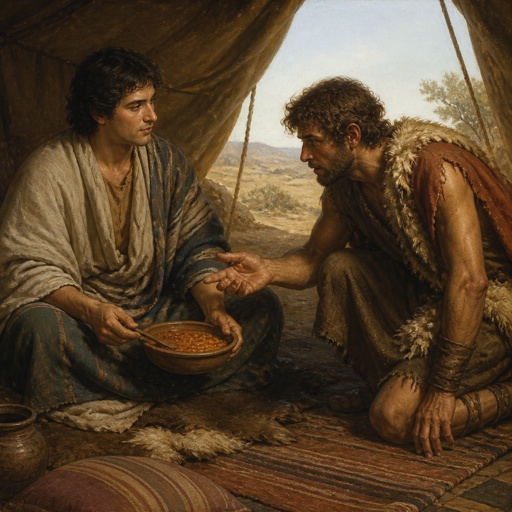
"And Jacob said, Sell me this day thy birthright." - Genesis 25:31

Exodus 25:31

matthew 25:31

Genesis 25:25

Numbers 31:25 - "¶ And the LORD spake unto Moses, saying,"

Genesis 21-31

Genesis 18-31

Genesis 31:35

Genesis 19-31

Genesis 24-31

Jeremiah 31:25 put bible verse on it

Exodus 25:31-40 This is an oil lampstand.

Genesis 1:1-25

Genesis 1:1-25

Genesis 1:1-25

Deuteronomy 31:25 - "That Moses commanded the Levites, which bare the ark of the covenant of the LORD, saying,"

Proverbs 31:25 - "Strength and honour are her clothing; and she shall rejoice in time to come."

Genesis 25-2

Genesis 25-18

Genesis 25-24

Genesis 25-7

Genesis 25-23

Genesis 25-14

Genesis 26:25

Genesis 50:25

Genesis 25:1

Genesis 21:25