Ownership and Legacy: Lessons from Jacob's Purchase
"And he bought a parcel of a field, where he had spread his tent, at the hand of the children of Hamor, Shechem’s father, for an hundred pieces of money." - Genesis 33:19
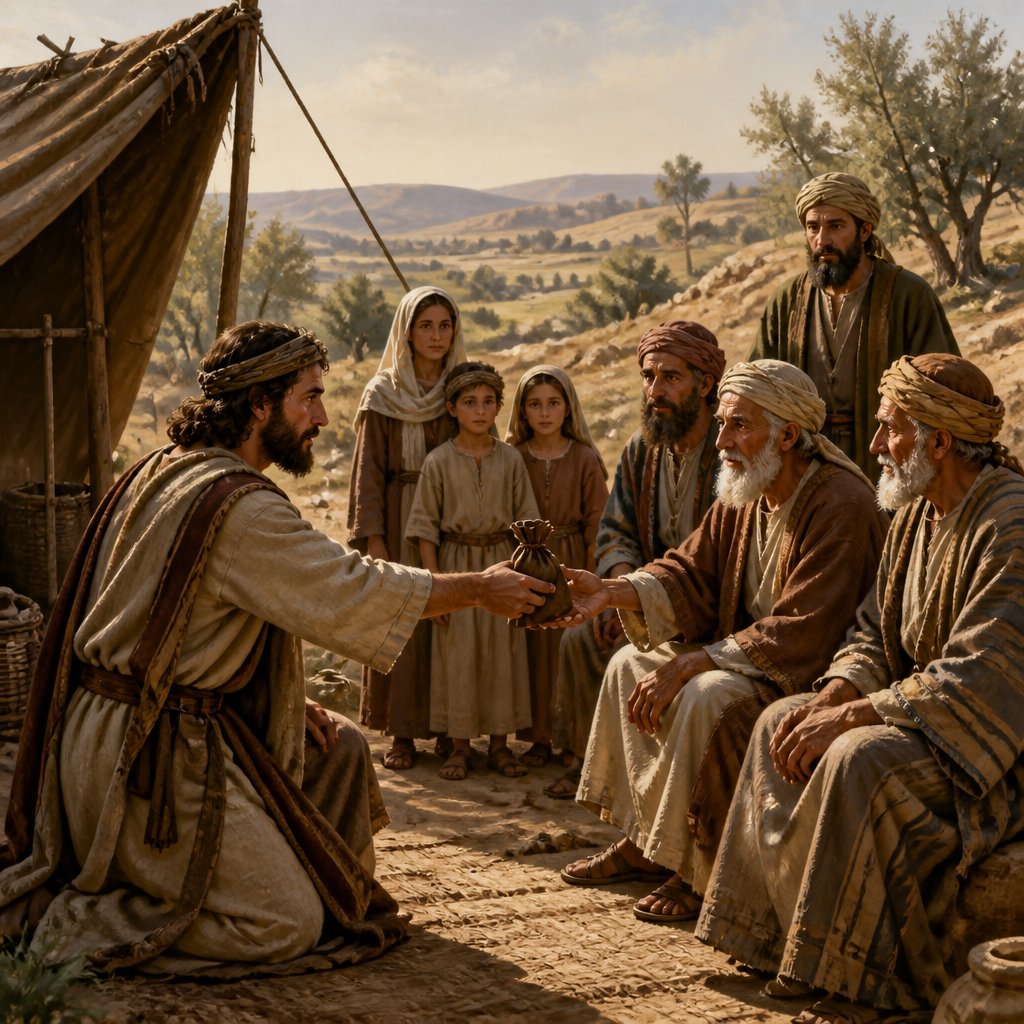
In Genesis 33:19, we find a simple yet profound statement embedded in the story of Jacob's journey back to his homeland after years of exile. The verse reads, "And he bought a parcel of a field, where he had spread his tent, at the hand of the children of Hamor, Shechem's father, for an hundred pieces of money." At a glance, this may seem like a mere transaction, but upon deeper reflection, it unlocks a myriad of spiritual insights regarding ownership, legacy, and the faithfulness of God in our lives.
Jacob's purchase of the field indicates a pivotal moment in his journey. After spending years away from home, fleeing the wrath of his brother Esau, Jacob is finally homeward bound. Yet, this return is not simply a physical journey; it is an emotional and spiritual reclamation as well. The act of buying the land signifies a commitment to establish roots—a stark contrast to his tent-dwelling nomadic life. The field represents a piece of the Promised Land, a place where Jacob could settle and build a family as God had ordained.
Ownership, in ancient times, carried with it not just the pride of possession but a sense of responsibility. By purchasing the field, Jacob is acknowledging his role within the land, not just as a sojourner but as a stakeholder in God’s promise to Abraham, Isaac, and now himself. This action resonates with the New Testament understanding of being heirs of the promise through faith. In our own lives, we must consider what it means to own our spiritual inheritance in Christ. How do we invest in the legacy that we will pass on to future generations? Jacob, by acquiring the land, is not only preparing for his immediate family but also setting the stage for the nation of Israel that will emerge from his lineage.
Furthermore, the mention of Hamor, Shechem's father, underscores the complexity of relationships in this transaction. It reminds us that our interactions with others, even in business or formal transactions, carry weight and meaning. God often uses our relationships—through blessings and negotiations—to fulfill His purpose. We must seek to engage with those around us with integrity and purpose, recognizing that every interaction can build a bridge or a blockade to God’s plan for us. The hundred pieces of money he paid signifies the value placed on this purchase, asserting that dedication and sacrifice accompany investment. In our spiritual walk, we learn that true discipleship involves sacrifice.
Also significant is the geographical context of this purchase. The land of Shechem later becomes a focal point in biblical history. It is the place where Joshua will renew the covenant (Joshua 24) and the future site where crucial events will unfold in Israel's narrative. This foresight reminds us that our actions today can have lasting implications for the future. Every small step we take towards God—prayer, service, faith—can lead to monumental change in the days to come.
Jacob's purchase of the field was also a declaration of faith—a statement of belief in God’s promises despite the uncertainties that lay ahead. Sometimes, we are called to act in faith before we see God’s plan unfold fully. Like Jacob, we may be led to unfamiliar terrain or face daunting challenges, yet each step taken in obedience brings forth not only personal growth but also the advancement of God’s kingdom.
In conclusion, Genesis 33:19 serves as a powerful reminder that our lives are meant to be rooted in faith. As Jacob claimed his piece of land, we, too, are encouraged to claim our identity in Christ, firmly establish ourselves in His promises, and pass on that legacy of faith to those who come after us. May we, like Jacob, purchase our 'fields'—those sacred places of faith, commitment, and legacy—and may we do so with the assurance that God guides our every step.
Want to reflect more on Genesis 33:19?
Continue your spiritual journey with Bible Chat — an AI-powered tool for exploring God's Word through conversation. Ask questions, discover connections, and deepen your understanding.
Get Our Apps


Genesis 33:19 Artwork

Genesis 33:19 - "And he bought a parcel of a field, where he had spread his tent, at the hand of the children of Hamor, Shechem's father, for an hundred pieces of money."
"And he bought a parcel of a field, where he had spread his tent, at the hand of the children of Hamor, Shechem's father, for an hundred pieces of money." - Genesis 33:19

Genesis 19-33

Genesis 21-33

Genesis 18-33

Genesis 24-33

Genesis 25-33

Jeremiah 33:19 - "¶ And the word of the LORD came unto Jeremiah, saying,"

Numbers 33:19 - "And they departed from Rithmah, and pitched at Rimmon-parez."

Genesis 19-19

Genesis 33:6 - "Then the handmaidens came near, they and their children, and they bowed themselves."

Genesis 33:20 - "And he erected there an altar, and called it El-elohe-Israel."

Psalms 33:19 - "To deliver their soul from death, and to keep them alive in famine."

Genesis 33:16 - "¶ So Esau returned that day on his way unto Seir."

Leviticus 19:33 - "¶ And if a stranger sojourn with thee in your land, ye shall not vex him."

Genesis 36:33 - "And Bela died, and Jobab the son of Zerah of Bozrah reigned in his stead."

John 19:33 - "But when they came to Jesus, and saw that he was dead already, they brake not his legs:"

Genesis 21:33 - "¶ And Abraham planted a grove in Beer-sheba, and called there on the name of the LORD, the everlasting God."

Genesis 26:33 - "And he called it Shebah: therefore the name of the city is Beer-sheba unto this day."
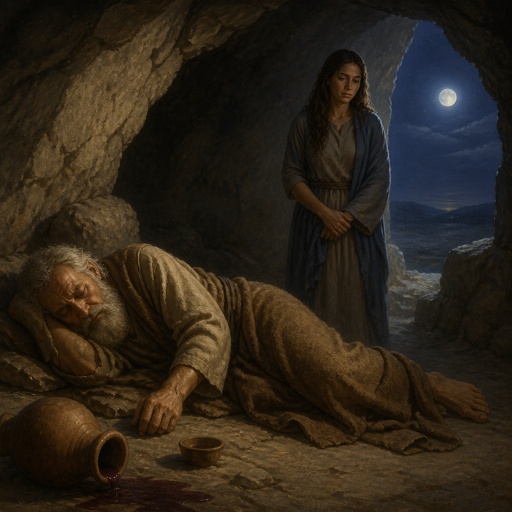
"And they made their father drink wine that night: and the firstborn went in, and lay with her father; and he perceived not when she lay down, nor when she arose." - Genesis 19:33

Luke 19:33 - "And as they were loosing the colt, the owners thereof said unto them, Why loose ye the colt?"

Job 33:19 - "He is chastened also with pain upon his bed, and the multitude of his bones with strong pain:"

Genesis 15:19

Genesis 23-19

Genesis 19-26

Genesis 19-13

Genesis 28-19

Genesis 19-31

Genesis 19-2

Genesis 19-29