Embracing the Past: The Power of Forgiveness
“And Esau ran to meet him, and embraced him, and fell on his neck, and kissed him: and they wept.” — Genesis 33:4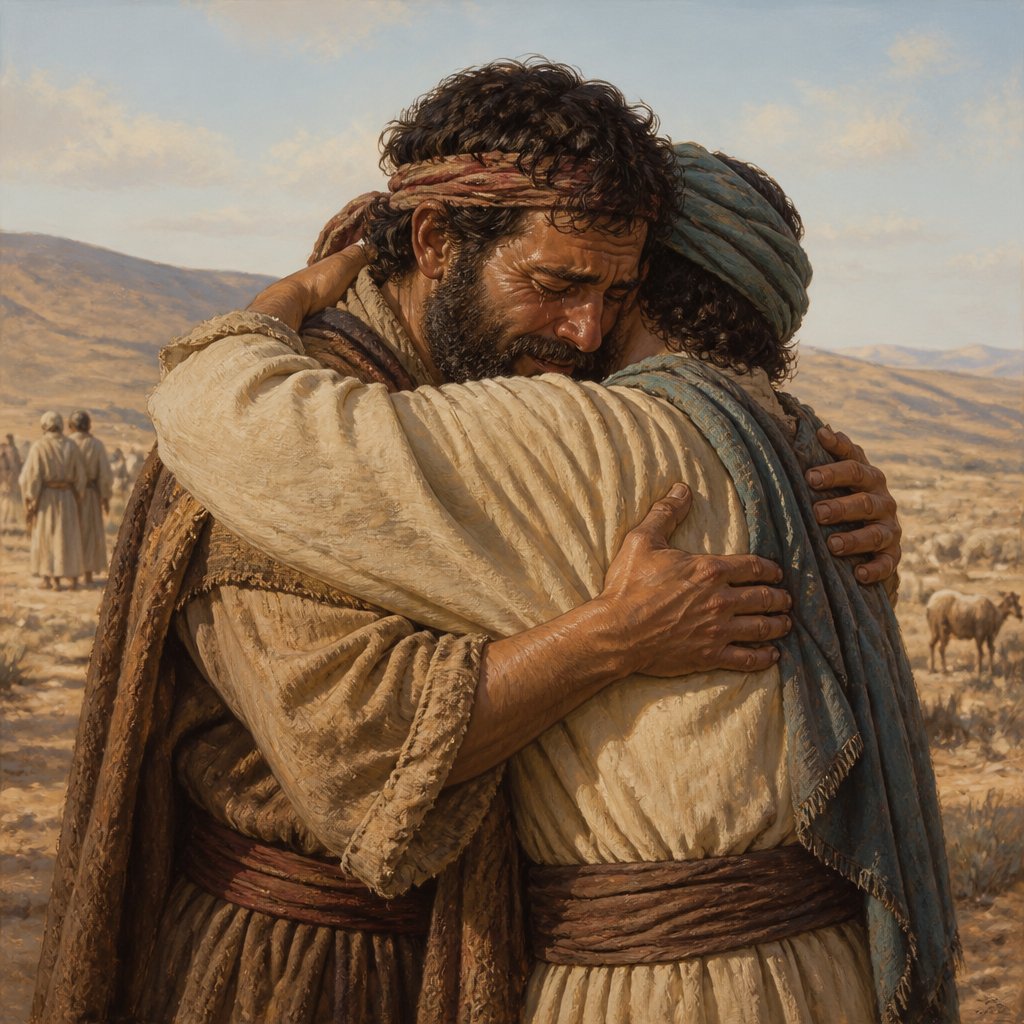
In today's fast-paced world, where conflict often leads us to harbor grudges and resentment, the story of Jacob and Esau offers an incredible lesson on reconciliation and the transformative power of forgiveness. The verse from Genesis 33:4 reads, "And Esau ran to meet him, and embraced him, and fell on his neck, and kissed him: and they wept." This passage captures a moment that is rich in emotion and theological significance, reflecting the journey of two brothers marked by strife, yet ultimately bound by love and forgiveness.
To understand the depth of Esau's actions upon meeting Jacob, we must first grasp the context of their relationship. Jacob and Esau, the twin sons of Isaac and Rebekah, had their lives irrevocably altered by their tumultuous past. Jacob, having deceived his father into giving him the blessing that was rightfully Esau's, fled from home to escape Esau's wrath. For years, Jacob lived in fear of retribution, seeking refuge and living a life of uncertainty. He experienced hardship, deception, and the challenges of developing his own family.
When Jacob learned that he had to return home, anticipation mingled with dread flooded his heart. He was coming face-to-face with the brother he had wronged, and who he presumed would still harbor anger and resentment. Jacob's fear was compounded by the fact that he would encounter Esau, a man who had, by virtue of his wounds, a claim to vengeance. Yet, when the moment came for their reunion, the reaction from Esau was unexpected and profound.
Esau’s response is a hallmark of grace. Instead of meeting Jacob with hostility, he ran to him, embracing him and showering him with love. It’s a powerful image of reconciliation, showcasing a love that conquers past grievances. Esau fell on Jacob’s neck and kissed him, marvelous physical gestures indicating a heart free of bitterness and anger. They shared in tears—tears that represented not only remorse for the past but also joy for the present recovery of their relationship. Such an embrace is a vivid reminder of how forgiveness can transcend deep wounds and restore what was lost.
Esau’s actions are significant for us today. They prompt reflection on our own relationships with family, friends, and even strangers. How often do we hold onto past grievances? How many times do we let pride prevent us from reaching out to those we need to reconcile with? Just as Esau chose love over anger, we can grasp the opportunity to embrace those who have wronged us or whom we may have wronged.
Furthermore, this reconciliation was not just happenstance; it was a profound demonstration of God’s grace at work. In the larger narrative of scripture, themes of forgiveness and restoration illuminate God’s intention for humanity. A God who initiates reconciliation through Jesus Christ beckons us to follow in His footsteps. We are called to forgive as we have been forgiven, an act that is at times challenging but ultimately freeing.
Let us reflect on Esau and Jacob's encounter not merely as historical but as a divine invitation to embrace the power of forgiveness. Instead of building walls of resentment, we can build bridges of understanding, compassion, and love. The tears of Jacob and Esau signify not sorrow but relief—the clearing of the air and the restoration of their brotherly bond.
As you embark on your own journey of reconciliation, remember the strength that lies in forgiveness. May you find the courage to embrace those who have hurt you and the humility to seek forgiveness from those you have wronged. Allow the power of that embrace to transform not only your relationships but also your heart, echoing the profound truth that in forgiveness, we find healing.
Get our apps


Artwork for Genesis 33:4
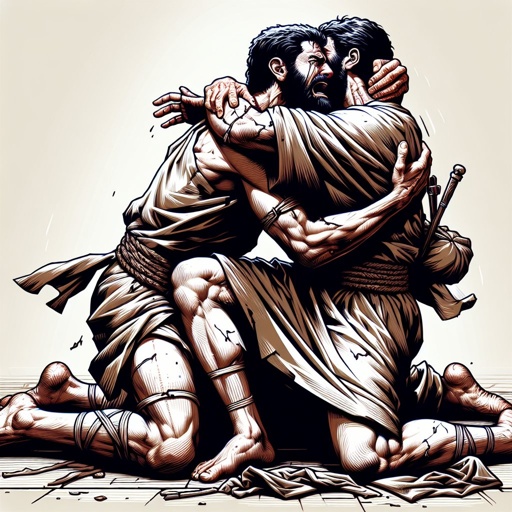
Genesis 33:4 - "And Esau ran to meet him, and embraced him, and fell on his neck, and kissed him: and they wept."
"And Esau ran to meet him, and embraced him, and fell on his neck, and kissed him: and they wept." - Genesis 33:4

Genesis 19-33

Genesis 21-33

Genesis 18-33

Genesis 24-33

Genesis 25-33

Genesis 33:6 - "Then the handmaidens came near, they and their children, and they bowed themselves."

Genesis 33:20 - "And he erected there an altar, and called it El-elohe-Israel."

Genesis 33:16 - "¶ So Esau returned that day on his way unto Seir."

Genesis 36:33 - "And Bela died, and Jobab the son of Zerah of Bozrah reigned in his stead."

Genesis 21:33 - "¶ And Abraham planted a grove in Beer-sheba, and called there on the name of the LORD, the everlasting God."

Genesis 26:33 - "And he called it Shebah: therefore the name of the city is Beer-sheba unto this day."

Genesis 33:9 - "And Esau said, I have enough, my brother; keep that thou hast unto thyself."

Genesis 33:2 - "And he put the handmaids and their children foremost, and Leah and her children after, and Rachel and Joseph hindermost."

Genesis 46:33 - "And it shall come to pass, when Pharaoh shall call you, and shall say, What is your occupation?"

Genesis 33:12 - "And he said, Let us take our journey, and let us go, and I will go before thee."

Deuteronomy 33:4 - "Moses commanded us a law, even the inheritance of the congregation of Jacob."

Psalms 33:4 - "For the word of the LORD is right; and all his works are done in truth."

Genesis 41:33 - "Now therefore let Pharaoh look out a man discreet and wise, and set him over the land of Egypt."
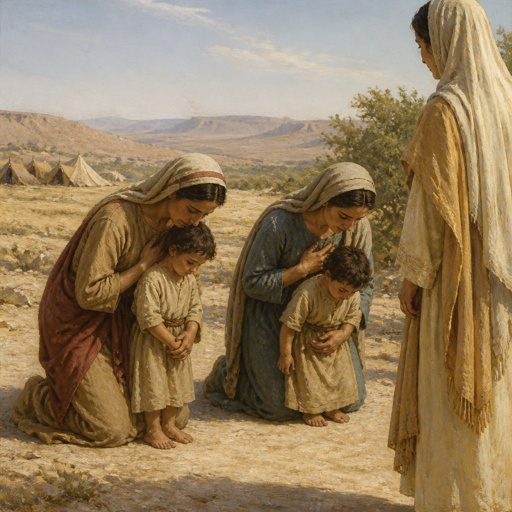
"Then the handmaidens came near, they and their children, and they bowed themselves." - Genesis 33:6

Genesis 33:7 - "And Leah also with her children came near, and bowed themselves: and after came Joseph near and Rachel, and they bowed themselves."

Genesis 25:33 - "And Jacob said, Swear to me this day; and he sware unto him: and he sold his birthright unto Jacob."

Genesis 33:17 - "And Jacob journeyed to Succoth, and built him an house, and made booths for his cattle: therefore the name of the place is called Succoth."

Genesis 43:33 - "And they sat before him, the firstborn according to his birthright, and the youngest according to his youth: and the men marvelled one at another."

Genesis 18:33 - "And the LORD went his way, as soon as he had left communing with Abraham: and Abraham returned unto his place."
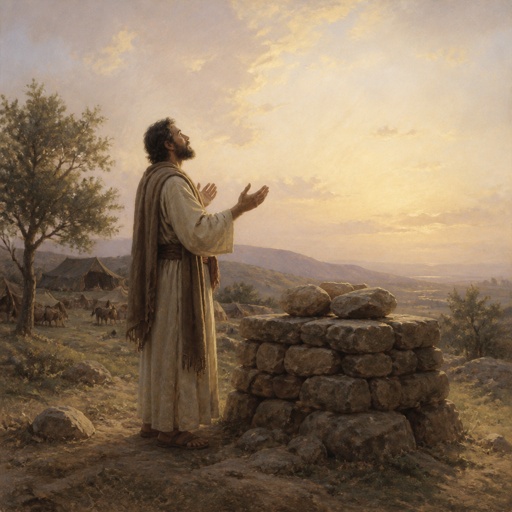
"And he erected there an altar, and called it El-elohe-Israel." - Genesis 33:20

Mark 4:33 - "And with many such parables spake he the word unto them, as they were able to hear it."

Genesis 37:33 - "And he knew it, and said, It is my son's coat; an evil beast hath devoured him; Joseph is without doubt rent in pieces."

Genesis 33:3 - "And he passed over before them, and bowed himself to the ground seven times, until he came near to his brother."