From Jacob to Israel: Embracing Our God-Given Identity
"And God said unto him, Thy name is Jacob: thy name shall not be called any more Jacob, but Israel shall be thy name: and he called his name Israel." - Genesis 35:10
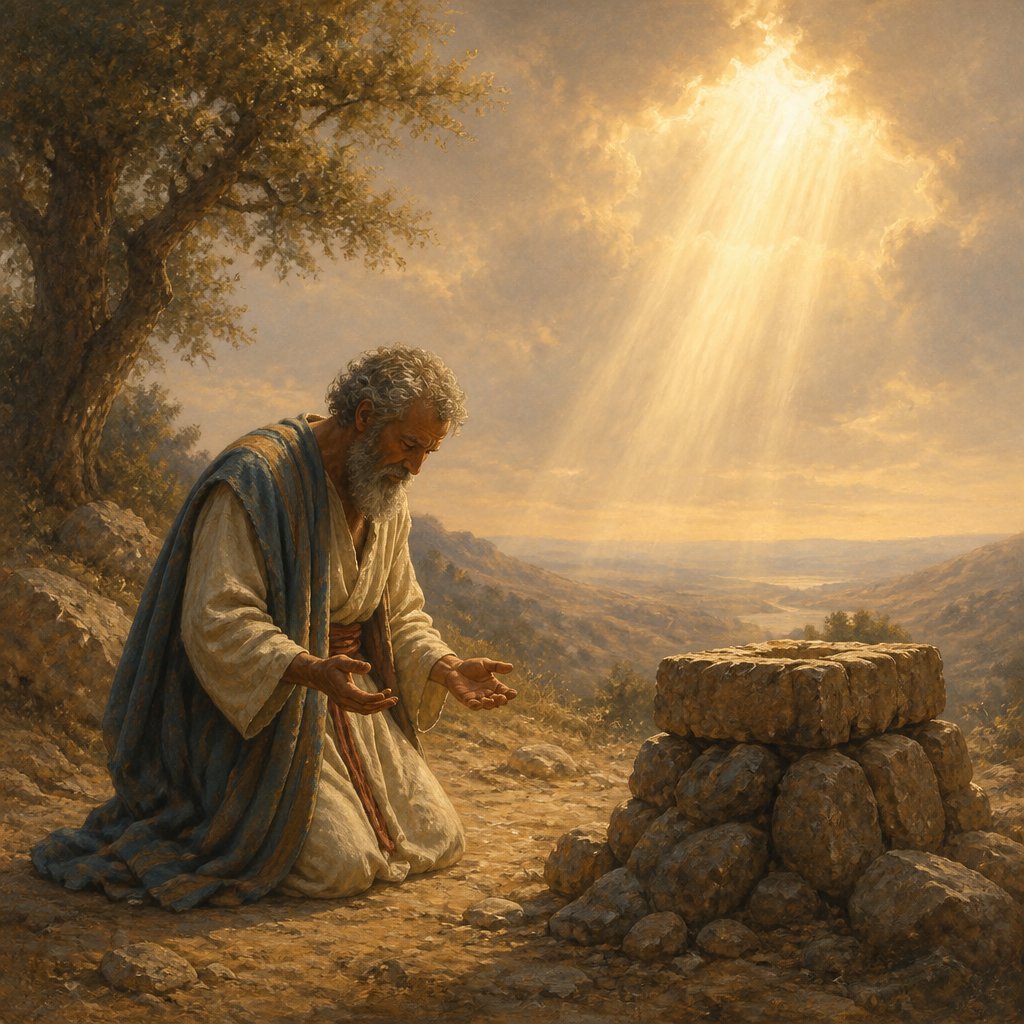
In Genesis 35:10, we encounter a pivotal moment in the life of Jacob: "And God said unto him, Thy name is Jacob: thy name shall not be called any more Jacob, but Israel shall be thy name: and he called his name Israel." This declaration by God not only signifies a change in Jacob’s identity but also represents God's promise and blessing over him and his descendants. To understand the significance of this verse, we must delve deeper into Jacob’s journey and the transformative power of God’s purpose in our lives.
Jacob was initially known as a deceiver, the one who took advantage of his brother Esau and tricked his father Isaac into blessing him. His very name means "supplanter," reflecting his actions and character in the early part of his life. However, God's encounter with Jacob at Peniel changed everything. In wrestling with God, Jacob clung to his opponent, demanding a blessing, and in that struggle, he was genuinely transformed. God then gave him a new name, Israel, meaning "he who struggles with God." This new identity was not merely a label; it was a representation of Jacob’s evolution and a testament to his faith journey.
When we reflect on this account, we are reminded of how often we may struggle with our own identities. Before we come into a relationship with Christ, many of us carry names that reflect our past: lost, sinner, worthless, or abandoned. However, just as God did with Jacob, He has a new name and identity for each of us – one that reflects not our past mistakes or failures but His purposes for our lives. In Christ, we are transformed into new creations (2 Corinthians 5:17); the old has passed away, and behold, the new has come! This passage encourages us to shed the names of our past and to embrace who God has called us to be.
The act of God renaming Jacob is also foundational in understanding the covenant relationship God desires with His people. It signifies not just a change in name, but a deeper understanding of God’s plan for Jacob’s life and the future of his descendants. The name Israel not only identifies Jacob as the father of the nation of Israel but also symbolizes the struggle and striving that all believers will encounter as they walk in faith.
Moreover, God’s pronouncement represents His sovereignty and authority to redefine our lives. In a world that often seeks to label and pigeonhole us based on our past or our failures, the truth of God’s redefinition should bring us peace. He knows our struggles, He understands our weaknesses, and He willingly offers us grace and a new beginning. In embracing the identity that God gives us, we find our true purpose and fulfillment.
As we meditate on Genesis 35:10, we should reflect on our own lives and the names we carry. Are we still identifying with past mistakes or situations that have held us down? Or do we see ourselves as God sees us: redeemed, restored, and repurposed? God desires for us to conquer our internal struggles and to step into our new identities with confidence.
In conclusion, Genesis 35:10 serves as a profound reminder that God has the power to redefine us, to lift us from our past, and to lead us into a future filled with promise and hope. Let us embrace our new names and identities with the understanding that we are children of the Most High, called to a purpose greater than ourselves. May we, like Jacob, wrestle with our thoughts and fears, come to the surrender of our own designs, and accept the mantle of our God-given identity—one that declares us as His beloved people, called to reflect His glory in this world.
Want to reflect more on Genesis 35:10?
Continue your spiritual journey with Bible Chat — an AI-powered tool for exploring God's Word through conversation. Ask questions, discover connections, and deepen your understanding.
Get Our Apps


Genesis 35:10 Artwork

Genesis 35:10 - "And God said unto him, Thy name is Jacob: thy name shall not be called any more Jacob, but Israel shall be thy name: and he called his name Israel."
"And God said unto him, Thy name is Jacob: thy name shall not be called any more Jacob, but Israel shall be thy name: and he called his name Israel." - Genesis 35:10

Genesis 26:35

Genesis 19-35

Genesis 31:35

Genesis 24-35

Genesis 35:16-20

genesis 26:1-35

Genesis 29:16-35

Genesis 35:24 - "The sons of Rachel; Joseph, and Benjamin:"

Genesis 35:25 - "And the sons of Bilhah, Rachel's handmaid; Dan, and Naphtali:"

Genesis 35:28 - "And the days of Isaac were an hundred and fourscore years."

Isaiah 35:8-10

2 Chronicles 35:10

Mark 10:35-45

Mark 10:35-45

Ezra 10:35 - "Benaiah, Bedeiah, Chelluh,"

Mark 10:35-45

Mark 10:35-45

Genesis 26:35 - "Which were a grief of mind unto Isaac and to Rebekah."

Genesis 35:19 - "And Rachel died, and was buried in the way to Ephrath, which is Beth-lehem."

Genesis 35:21 - "¶ And Israel journeyed, and spread his tent beyond the tower of Edar."

"The sons of Rachel; Joseph, and Benjamin:" - Genesis 35:24

Genesis 35:15 - "And Jacob called the name of the place where God spake with him, Beth-el."

Genesis 35:23 - "The sons of Leah; Reuben, Jacob's firstborn, and Simeon, and Levi, and Judah, and Issachar, and Zebulun:"

Genesis 35:13 - "And God went up from him in the place where he talked with him."

Genesis 27:35 - "And he said, Thy brother came with subtilty, and hath taken away thy blessing."

Genesis 35:20 - "And Jacob set a pillar upon her grave: that is the pillar of Rachel's grave unto this day."

"Benaiah, Bedeiah, Chelluh," - Ezra 10:35

Acts 10:35 - "But in every nation he that feareth him, and worketh righteousness, is accepted with him."