Dukes, Destiny, and Divine Providence: Crafting Legacy in the Wilderness
“These were dukes of the sons of Esau: the sons of Eliphaz the firstborn son of Esau; duke Teman, duke Omar, duke Zepho, duke Kenaz,” — Genesis 36:15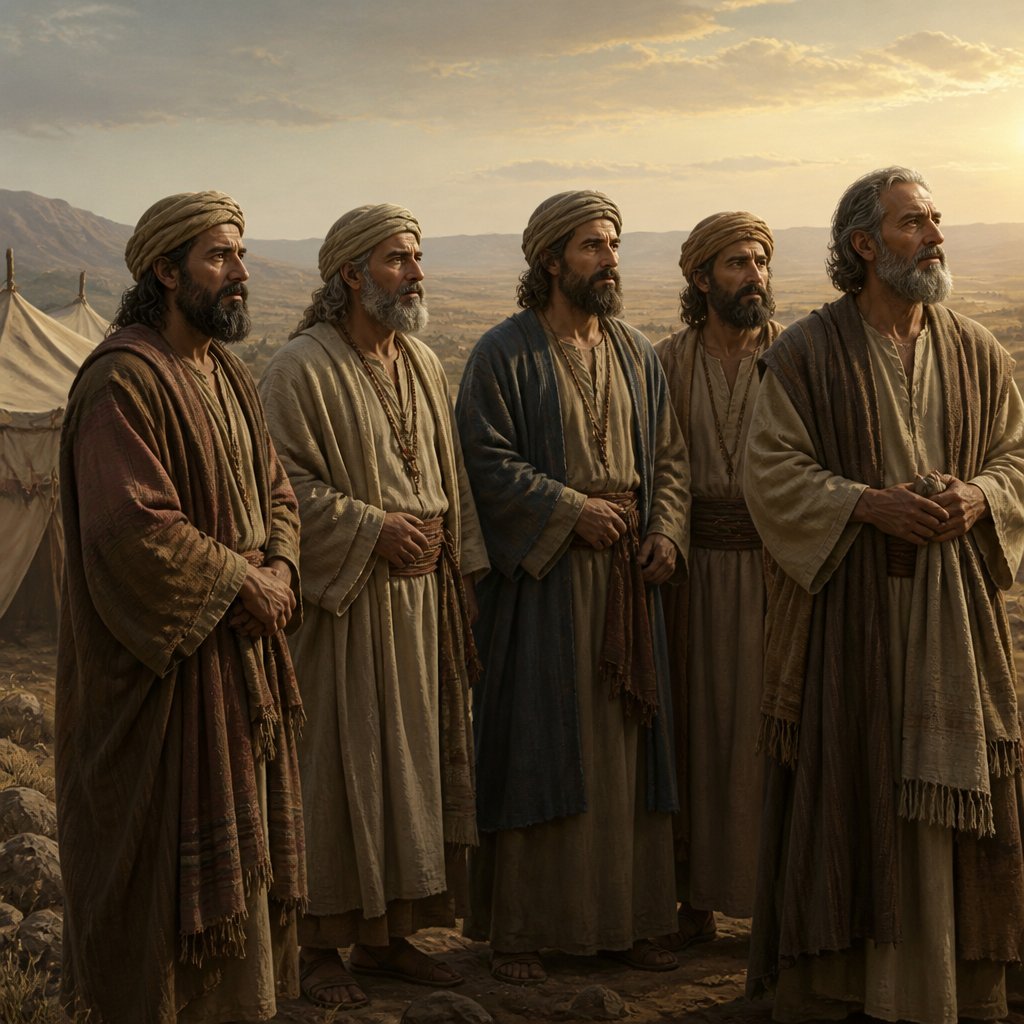
Genesis 36:15 reads, "These were dukes of the sons of Esau: the sons of Eliphaz the firstborn son of Esau; duke Teman, duke Omar, duke Zepho, duke Kenaz." At first glance, this verse—laden with names and titles—may seem like a mere genealogical footnote. Yet, within this context lies a treasure trove of spiritual lessons that resonate deeply with our walk of faith.
### Exploring Legacy Through Names
In a time when lineage was paramount, the names listed represent more than just historical figures; they symbolize the weight of legacy. Eliphaz, the firstborn, holds a position of importance within Esau’s family. His sons, named subsequently, bear markers of nobility—‘dukes’. In scripture, titles often signify character, responsibility, and blessings bestowed from God.
The fervor with which we trace our ancestry today finds roots in the biblical principle of legacy. Each name here is an emblem of what it meant to be a son of Esau—of being both blessed and tasked with continuing that legacy. The same can be said about us as believers. In Christ, we too bear a name—Christian—that guides our destiny and informs the legacy we craft for future generations.
### The Significance of Esau
Esau's story is profound. Known for his birthright that was traded for a bowl of lentil stew, his life reflects moments of choice that shape one’s legacy. Though he was Jacob's brother, his journey took a markedly different path—one that often puts him at odds with the narrative of the patriarchs. Yet, this does not negate the importance of his legacy. Through the dukes of Esau's lineage, we can reflect on the reality that everyone's life carries significant ripples of influence. Just as Esau’s choices bore weight, so do ours.
### Dukes Amidst the Wilderness
Esau, a man of the field, embodied a ruggedness that many could admire. The names of his sons, the dukes, suggest a framework of power and authority existing even in the wilderness where they thrived. This image finds its parallel in our spiritual walk, where we often traverse the wilderness—symbolic of trials, temptations, and periods of waiting. Our ‘desert’ experiences are sometimes the very places where we discover our purpose and grow into the leaders God calls us to be.
While the wilderness may feel isolating, it is also the crucible where God forges faith, resilience, and character. Just as the dukes of Esau were established in the wilderness of Seir, we too can become champions for God’s glory, leading with grace and authoritative faith amid life’s challenges. In every wilderness moment, let us remember that God has not forsaken us but is instead refining us for His greater purpose.
### Our Call to Influence
As we reflect on the dukes of Esau, let’s consider what sort of influence we are having in our own circles. Each of us has spheres of influence—whether it be at home, work, or community—and we have the ability to lead others, just as these dukes did. Are we leading with integrity, love, and a hunger to reflect Christ? Each day presents an opportunity to demonstrate the fruits of the Spirit, cultivating a legacy that honors God.
Furthermore, let’s remember that our legacies are not merely inherited but can also be shaped. In Christ, we have the power to redefine and redirect our family lineages. Our obedience, humility, and dedication to following divine principles can serve as catalysts for generational transformation—turning the hearts of the next generation toward God.
### Conclusion
In Genesis 36:15, we see more than a listing of names; we see the embodiment of legacy and purpose that transcends time. Just as Esau’s lineage bore a mark of distinction, so can ours as children of the King. May we aspire to become 'dukes' in our own right, living lives that reflect God’s truth, mercy, and love. Let each of us answer the call to influence, carrying forth the legacy that God has fashioned within us, impacting our world for His glory.
Get our apps


Artwork for Genesis 36:15

Genesis 36:15 - "¶ These were dukes of the sons of Esau: the sons of Eliphaz the firstborn son of Esau; duke Teman, duke Omar, duke Zepho, duke Kenaz,"
"¶ These were dukes of the sons of Esau: the sons of Eliphaz the firstborn son of Esau; duke Teman, duke Omar, duke Zepho, duke Kenaz," - Genesis 36:15

Genesis 36:36 - "And Hadad died, and Samlah of Masrekah reigned in his stead."

Genesis 24:36

Genesis 19-36

Genesis 36:28 - "The children of Dishan are these; Uz, and Aran."

1 Corinthians 15:36

"And Hadad died, and Samlah of Masrekah reigned in his stead." - Genesis 36:36

Genesis 36:27 - "The children of Ezer are these; Bilhan, and Zaavan, and Akan."

Genesis 36:19 - "These are the sons of Esau, who is Edom, and these are their dukes."

Genesis 36:3 - "And Bashemath Ishmael's daughter, sister of Nebajoth."

Genesis 36:1 - "Now these are the generations of Esau, who is Edom."

Genesis 36:26 - "And these are the children of Dishon; Hemdan, and Eshban, and Ithran, and Cheran."

Genesis 36:42 - "Duke Kenaz, duke Teman, duke Mibzar,"

Genesis 36:9 - "¶ And these are the generations of Esau the father of the Edomites in mount Seir:"

Genesis 36:41 - "Duke Aholibamah, duke Elah, duke Pinon,"

Genesis 19:36 - "Thus were both the daughters of Lot with child by their father."

Genesis 36:8 - "Thus dwelt Esau in mount Seir: Esau is Edom."

Genesis 36:25 - "And the children of Anah were these; Dishon, and Aholibamah the daughter of Anah."

Genesis 36:4 - "And Adah bare to Esau Eliphaz; and Bashemath bare Reuel;"

Genesis 36:11 - "And the sons of Eliphaz were Teman, Omar, Zepho, and Gatam, and Kenaz."

Genesis 36:23 - "And the children of Shobal were these; Alvan, and Manahath, and Ebal, Shepho, and Onam."

Genesis 36:34 - "And Jobab died, and Husham of the land of Temani reigned in his stead."

Genesis 36:22 - "And the children of Lotan were Hori and Hemam; and Lotan's sister was Timna."
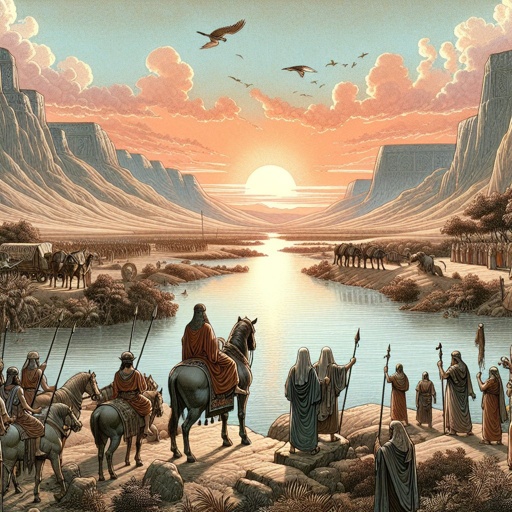
Genesis 36:37 - "And Samlah died, and Saul of Rehoboth by the river reigned in his stead."

Joshua 15:36 - "And Sharaim, and Adithaim, and Gederah, and Gederothaim; fourteen cities with their villages:"

Genesis 36:33 - "And Bela died, and Jobab the son of Zerah of Bozrah reigned in his stead."

Genesis 36:38 - "And Saul died, and Baal-hanan the son of Achbor reigned in his stead."

Genesis 36:21 - "And Dishon, and Ezer, and Dishan: these are the dukes of the Horites, the children of Seir in the land of Edom."

Genesis 36:32 - "And Bela the son of Beor reigned in Edom: and the name of his city was Dinhabah."