Dukes of Destiny: Understanding Our Heritage in God’s Plan
“These are the dukes that came of the Horites; duke Lotan, duke Shobal, duke Zibeon, duke Anah,” — Genesis 36:29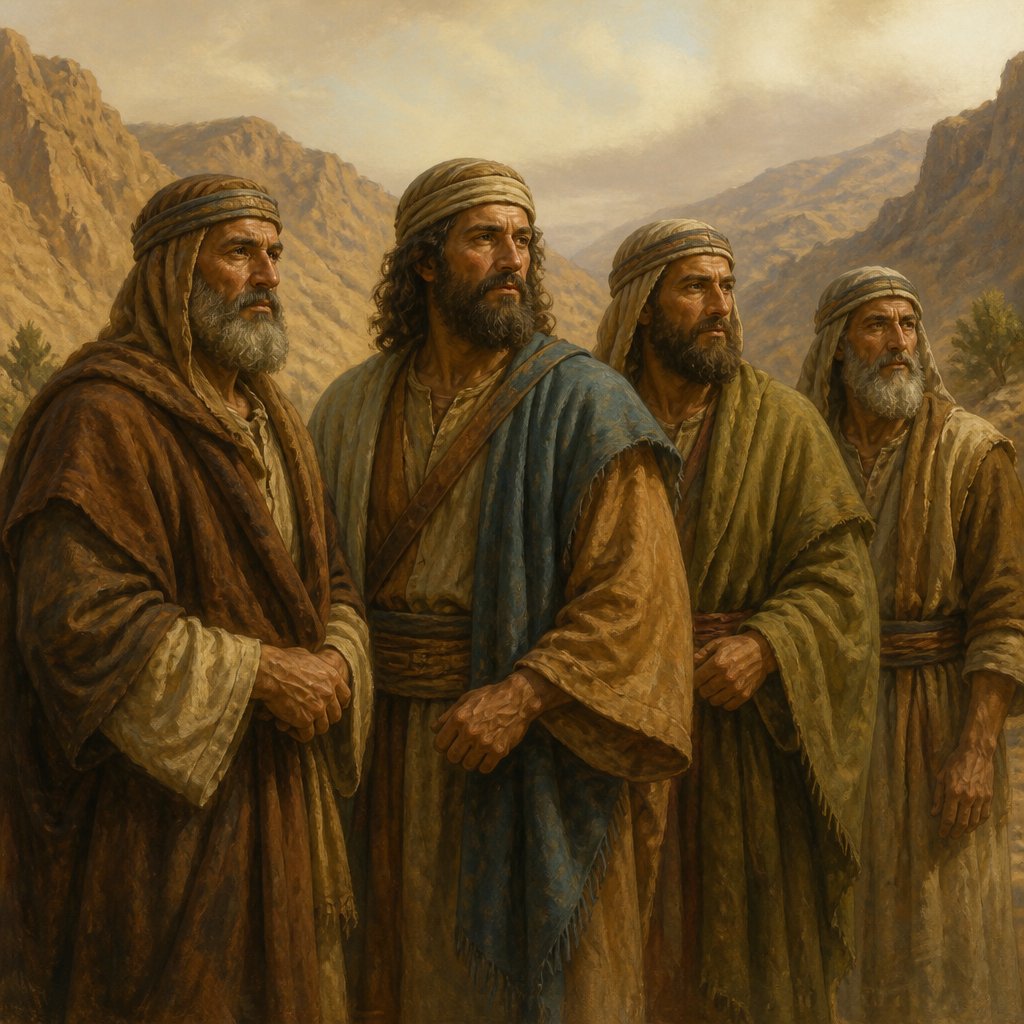
**Dukes of Destiny: Understanding Our Heritage in God’s Plan**
Genesis 36:29 (KJV) states, "These are the dukes that came of the Horites; duke Lotan, duke Shobal, duke Zibeon, duke Anah.” At first glance, this verse may appear as a mere genealogical record, a passage filled with unfamiliar names that may leave us wondering about its significance. However, to delve deeper into this scripture is to uncover a rich tapestry of meaning that speaks to the identity and legacy we hold as children of God.
The Horites, as mentioned in Genesis 36, were a people who lived in the land of Seir, a territory defined mostly by its rocky and inhospitable terrain. Despite this harsh environment, they had leaders—dukes—who governed and maintained social structure within their communities. Lotan, Shobal, Zibeon, and Anah were not only names; they were figures who carried responsibility, leadership, and legacy within their lineage, reflecting the roles assigned by God even in seemingly desolate places.
As we reflect on the names mentioned, we can learn crucial lessons about our identity in Christ amidst our circumstances. Each duke encapsulates an aspect of what it means to lead and represent God’s community. Leadership does not merely involve a title; it encapsulates service, sacrifice, and the ability to inspire others. In the New Testament, we are called to be leaders of a different kind, serving our communities with love and humility (Mark 10:43-45). In the same vein, the dukes signify that we too are part of a much larger story—a lineage that leads back to our Creator.
Furthermore, the mention of these dukes serves as a reminder of where we come from. By acknowledging our roots in Scripture, we can better understand how our present circumstances and future hopes are intertwined with the faithfulness of God. The Horites had their own identity and history that shaped them, just as we have our family backgrounds and stories that inform our journey of faith. Romans 8:15-17 reminds us that we are heirs of God and joint heirs with Christ. This relationship positions us in a chain of inheritance that extends beyond earthly ties, rooting us in the eternal legacy of faith.
Additionally, consider the attributes associated with each duke. Lotan may symbolize one facing adversities and navigating through treacherous landscapes—an apt representation of many of us who encounter difficulties in life. Shobal can represent resilience and the importance of community, as we remain strong together. Zibeon might reflect resourcefulness, adapting to the environment we find ourselves in, whereas Anah could represent the breakthrough experiences, where struggles turn into testimonies. All these qualities serve to enrich our character as believers, inviting us to embrace our unique spiritual legacies.
As we contemplate the names of the dukes, we are encouraged to ponder the question: What legacy am I cultivating? Like the dukes of the Horites, we have the opportunity to lead in our family, workplace, and community. We can designate ourselves as individuals who bring hope, love, and faith to those around us.
Moreover, it is essential to see these names as heralds of promise. Each name represents a person known by God, a reality that underscores the importance of every individual in God’s creation. In a world that often makes us feel insignificant, Genesis 36:29 reminds us that God sees each one of us, names us, and includes us in His divine narrative.
In conclusion, as we meditate on Genesis 36:29, let us ask God to help us understand our place within His lineage—to see ourselves as heirs to His promises. Like the dukes named in Genesis, we are part of God’s greater purpose, called to lead in love and live out our faith with passion and commitment. May we treasure the legacy we are a part of and strive to enrich it through our actions every day.
Get our apps


Artwork for Genesis 36:29

Genesis 36:29 - "These are the dukes that came of the Horites; duke Lotan, duke Shobal, duke Zibeon, duke Anah,"
"These are the dukes that came of the Horites; duke Lotan, duke Shobal, duke Zibeon, duke Anah," - Genesis 36:29

Genesis 36:36 - "And Hadad died, and Samlah of Masrekah reigned in his stead."

Genesis 24:36

Genesis 19-36

Job 36:29 - "Also can any understand the spreadings of the clouds, or the noise of his tabernacle?"

Genesis 36:28 - "The children of Dishan are these; Uz, and Aran."

"And Hadad died, and Samlah of Masrekah reigned in his stead." - Genesis 36:36

Genesis 36:27 - "The children of Ezer are these; Bilhan, and Zaavan, and Akan."

Genesis 36:19 - "These are the sons of Esau, who is Edom, and these are their dukes."

Genesis 36:3 - "And Bashemath Ishmael's daughter, sister of Nebajoth."

Genesis 36:1 - "Now these are the generations of Esau, who is Edom."

2 Chronicles 29:36 - "And Hezekiah rejoiced, and all the people, that God had prepared the people: for the thing was done suddenly."

Genesis 36:26 - "And these are the children of Dishon; Hemdan, and Eshban, and Ithran, and Cheran."

Genesis 36:42 - "Duke Kenaz, duke Teman, duke Mibzar,"

Genesis 36:9 - "¶ And these are the generations of Esau the father of the Edomites in mount Seir:"

Genesis 36:41 - "Duke Aholibamah, duke Elah, duke Pinon,"

Genesis 19:36 - "Thus were both the daughters of Lot with child by their father."

Genesis 36:8 - "Thus dwelt Esau in mount Seir: Esau is Edom."

Genesis 29:29 - "And Laban gave to Rachel his daughter Bilhah his handmaid to be her maid."

Genesis 29-2

Genesis 29-6

Genesis 29-5

Genesis 42:29

Genesis 29:1

Genesis 29-7

Genesis 18-29

Genesis 36:25 - "And the children of Anah were these; Dishon, and Aholibamah the daughter of Anah."

Genesis 36:4 - "And Adah bare to Esau Eliphaz; and Bashemath bare Reuel;"

Genesis 26:29