The Legacy of Names: Finding Meaning in the Genealogies
“And Baal-hanan the son of Achbor died, and Hadar reigned in his stead: and the name of his city was Pau; and his wife’s name was Mehetabel, the daughter of Matred, the daughter of Mezahab.” — Genesis 36:39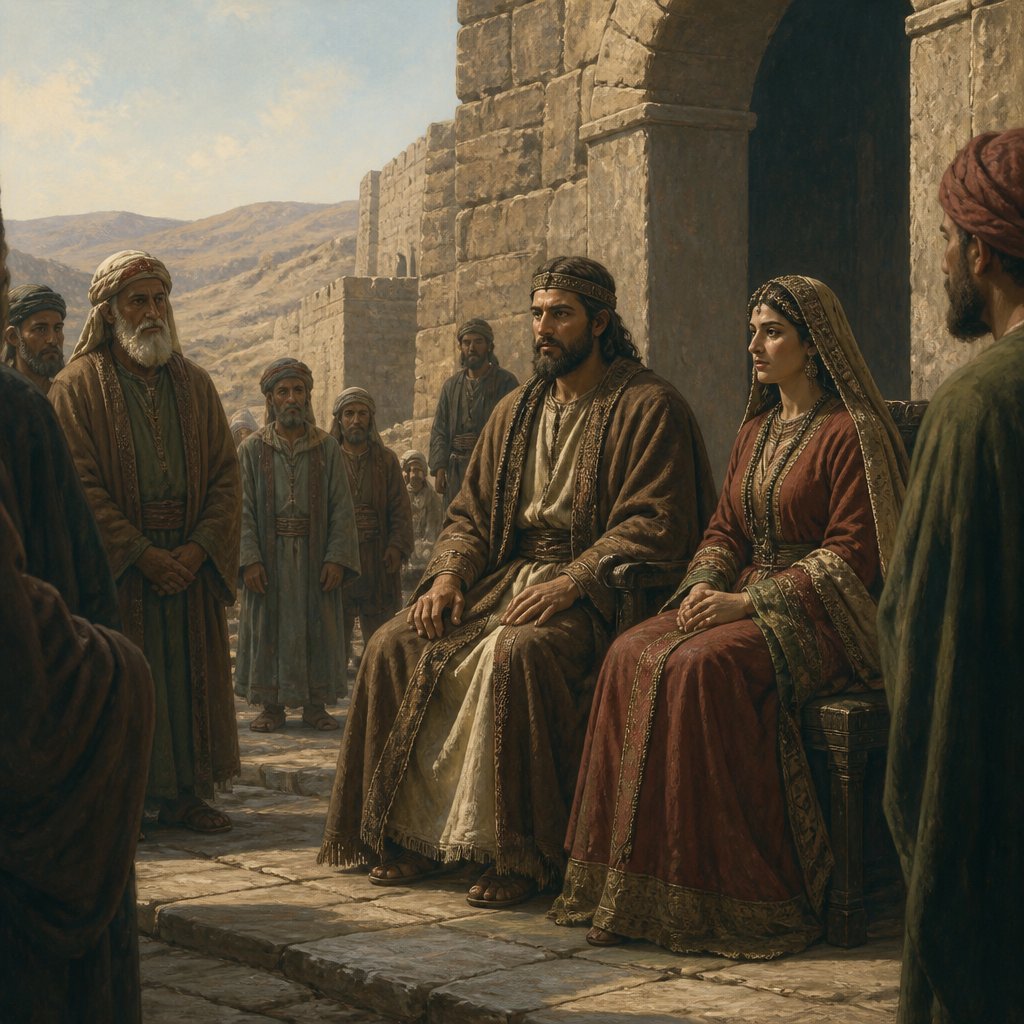
When we read the genealogies and accounts of succession in Scripture, it can sometimes feel like merely a list of names and dates, an assortment of figures whose significance fades with each utterance. However, in Genesis 36:39, we encounter a verse laden with profound implications. The verse states: "And Baal-hanan the son of Achbor died, and Hadar reigned in his stead: and the name of his city was Pau; and his wife's name was Mehetabel, the daughter of Matred, the daughter of Mezahab."
At first glance, the death of Baal-hanan might appear to be a banal transition of power, yet a deeper exploration invites us to consider the weight of legacy that is wrapped up in every name and lineage mentioned here.
**The Weight of Names**
Names in the Bible often carry profound significance. They reflect character, history, and calling. For Baal-hanan, his name can be translated to "Baal is gracious." In a culture that revered deities, this reflects a reliance on divine favor, a reminder of the spiritual milieu in which he lived. Yet, with his death, we see Hadar take over, a name whose meaning has roots in the idea of "glory" or "majesty." Hadar's assumption of power indicates a possible shift not only of leadership but of dominion, reflecting changes in values and spiritual focuses of the people.
This poses an invaluable question for us: What do our names signify? When we reflect upon our own identities—our roles in families, workplaces, or our communities—what do we embody? Are we aligned with names that represent grace, resilience, integrity, or hope? Or do we, at times, channel aspects that are contrary to our calling? Just as Baal-hanan's influence ceased with his passing, our existing legacy can shift dramatically with the choices we make and the values we embody.
**Leadership and Influence**
Baal-hanan, though noted for his original reign, did not have control over the aftermath of his life; it appears he is replaced, emphasizing the reality of leadership. We see Hadar taking the throne and beginning his reign in the city of Pau—a name that means "a door." The imagery of a door suggests new opportunities, new beginnings, and new pathways that await those who come after. We are reminded that leadership is transient, and those who lead must prepare those who come after them. Our influence extends beyond our lives; like a door, it opens possibilities for the generations that follow.
The question posed here encourages us to consider how we prepare the next generation. Are we mentors in faith, family, and purpose? What doors are we opening for our children, friends, and neighbors? How are we nurturing an environment where they can thrive and carry forward not only our legacy but one that glorifies God?
**The Role of Partnerships**
Furthermore, mention of Hadar's wife, Mehetabel, reinforces the importance of partnerships in leadership. The name Mehetabel, meaning "God makes rich," suggests that a divine favor accompanies Hadar’s leadership. In Scripture, the significance of marriage and companionship reflects the narrative of God’s plan for humanity. In unity, we find strength, support, and enrichment. In modern life, it is essential we consider the partnerships we forge—whether they be romantic, friendships, or even work relationships. Do these partnerships enrich our lives, guiding us closer to God? Can we find strength in unity, encouraging one another towards our divine call?
**Conclusion**
The transition in Genesis 36:39 reveals deeper truths about life, legacy, and relationships than might first appear. As we move forward in our journeys, let us reflect on our names and their meanings, the examples we set for future generations, and the announcements of our partnerships.
In this light, every leader is first a steward; every life is crafted with purpose, and every name carries weight. Through this understanding, let us be intentional in building a legacy that honors God, empowers others, and invests richly in the lives of those who come after us.
Get our apps


Artwork for Genesis 36:39
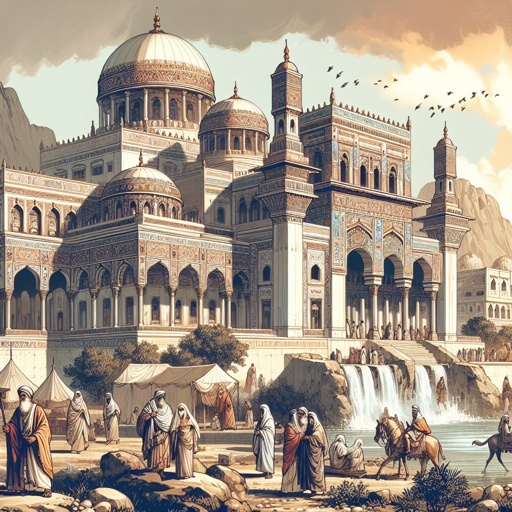
Genesis 36:39 - "And Baal-hanan the son of Achbor died, and Hadar reigned in his stead: and the name of his city was Pau; and his wife's name was Mehetabel, the daughter of Matred, the daughter of Mezahab."
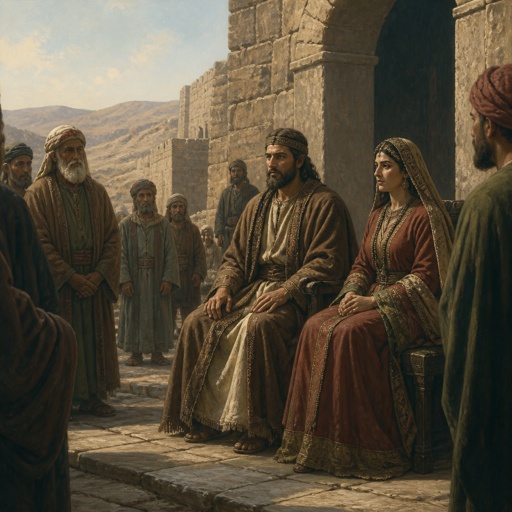
"And Baal-hanan the son of Achbor died, and Hadar reigned in his stead: and the name of his city was Pau; and his wife's name was Mehetabel, the daughter of Matred, the daughter of Mezahab." - Genesis 36:39

Exodus 39:36 - "The table, and all the vessels thereof, and the shewbread,"

"The table, and all the vessels thereof, and the shewbread," - Exodus 39:36

Genesis 24-39

Genesis 39:12

Genesis 36:36 - "And Hadad died, and Samlah of Masrekah reigned in his stead."

Genesis 39:6-12

Genesis 24:36

Genesis 19-36

Genesis 36:28 - "The children of Dishan are these; Uz, and Aran."

"And Hadad died, and Samlah of Masrekah reigned in his stead." - Genesis 36:36

Genesis 36:27 - "The children of Ezer are these; Bilhan, and Zaavan, and Akan."

Genesis 36:19 - "These are the sons of Esau, who is Edom, and these are their dukes."

Genesis 36:3 - "And Bashemath Ishmael's daughter, sister of Nebajoth."

Genesis 36:1 - "Now these are the generations of Esau, who is Edom."

Genesis 24:39 - "And I said unto my master, Peradventure the woman will not follow me."

Genesis 36:26 - "And these are the children of Dishon; Hemdan, and Eshban, and Ithran, and Cheran."

Genesis 36:42 - "Duke Kenaz, duke Teman, duke Mibzar,"

Genesis 36:9 - "¶ And these are the generations of Esau the father of the Edomites in mount Seir:"

Genesis 36:41 - "Duke Aholibamah, duke Elah, duke Pinon,"

Genesis 39:2 - "And the LORD was with Joseph, and he was a prosperous man; and he was in the house of his master the Egyptian."

Genesis 30:39 - "And the flocks conceived before the rods, and brought forth cattle ringstraked, speckled, and spotted."

Genesis 19:36 - "Thus were both the daughters of Lot with child by their father."

Genesis 36:8 - "Thus dwelt Esau in mount Seir: Esau is Edom."

Genesis 36:25 - "And the children of Anah were these; Dishon, and Aholibamah the daughter of Anah."

Genesis 36:4 - "And Adah bare to Esau Eliphaz; and Bashemath bare Reuel;"

Genesis 39:21 - "¶ But the LORD was with Joseph, and shewed him mercy, and gave him favour in the sight of the keeper of the prison."

Genesis 39:16 - "And she laid up his garment by her, until his lord came home."

Genesis 36:11 - "And the sons of Eliphaz were Teman, Omar, Zepho, and Gatam, and Kenaz."