Living in the Seir of Our Lives: Embracing Our God-given Identity
“Thus dwelt Esau in mount Seir: Esau is Edom.” — Genesis 36:8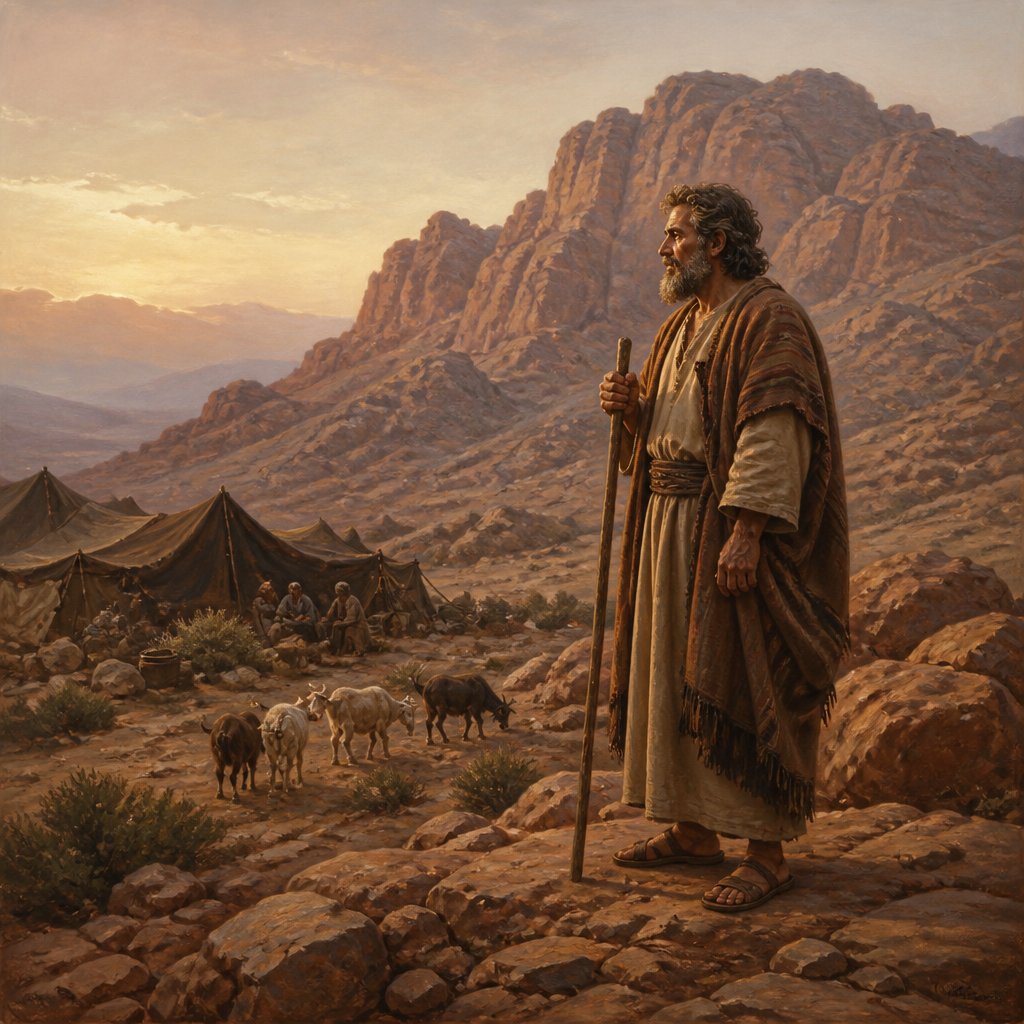
Genesis 36:8 states, “Thus dwelt Esau in mount Seir: Esau is Edom.” At first glance, this verse might seem like a mere historical reference, signaling a geographic location and the name of a notable figure. However, upon deeper reflection, we begin to uncover profound truths about identity, belonging, and the call to live authentically in the midst of life's complex journey.
Esau, the twin brother of Jacob, represents not just a singular person in history but symbolizes individuals throughout generations wrestling with the questions of identity and purpose. Mount Seir was not merely a location; it became a place where Esau found his dwelling, a physical manifestation of his life's choices and circumstances. This picturesque mountainous region was known for its rugged terrain and harsh conditions, much like the challenges that shape our spiritual landscape today.
In our own lives, we often find ourselves dwelling in various ‘mountains’—the peaks and valleys of our experiences. Just as Esau made a choice about where to dwell, we too have the power to choose where we focus our thoughts and heart. Esau's identity as 'Edom' signifies both a lineage and a legacy; it reminds us that our choices and environments can influence how we see ourselves and how we are perceived by others.
The name Edom means ‘red,’ which is derived from the red stew for which Esau famously traded his birthright. This act symbolizes the often shortsighted decisions we make based on immediate gratification rather than long-term fulfillment. How often do we find ourselves in similar places, choosing comfort over conviction, momentary satisfaction over eternal significance? Our choices can shape our identity just as surely as our birth or background.
However, dwelling in Mount Seir should also provoke thought about acceptance. Esau, often seen as the ‘less favored’ brother compared to Jacob, carved out a life for himself that ultimately led him to a place of prosperity. He found peace and purpose, despite the perceived disadvantages stacked against him. This calls into question our understanding of what it means to prosper in God's eyes. To dwell in Seir, for Esau, was to embrace his providential path, marked by both blessing and challenge. In many ways, we are all called to dwell in our respective Mount Seirs; places that might seem unglamorous or difficult, yet are rich with lessons and opportunities for growth.
The Bible presents a clear challenge—how do we embrace our identities in Christ while acknowledging the unique ‘mountains’ we are assigned to? Just like Esau, we all have a choice: to embrace our God-given identity in the midst of struggle or to hold onto false narratives that keep us from fully thriving.
In Romans 8:37, Paul writes, “Nay, in all these things we are more than conquerors through him that loved us.” Herein lies our transformative power. When we embrace who we are in Christ, we begin to transcend the narrative of our pasts, just like Esau could have done. Rather than becoming a mere footnote in Jacob’s story, Esau’s narrative tells us that our identity is not defined by any singular moment of failure or loss, but rather by the richness of God’s grace.
As we reflect on Genesis 36:8, let us consider our own Mount Seirs. Are they places of exile, or can they become mountains of growth? Are we resigning to a label, or are we actively cultivating an identity rooted in Christ? Today, no matter where we find ourselves, let this verse remind us to dwell in the truth of who God says we are, and to embrace the fullness of our identities in Him, as we navigate life's rugged landscape. May we find strength and meaning in our dwelling places, and ultimately, may we grow into the individuals God created us to be.
Get our apps


Artwork for Genesis 36:8

Genesis 36:8 - "Thus dwelt Esau in mount Seir: Esau is Edom."
"Thus dwelt Esau in mount Seir: Esau is Edom." - Genesis 36:8

Genesis 36:36 - "And Hadad died, and Samlah of Masrekah reigned in his stead."

Genesis 24:36

Genesis 19-36

Genesis 36:28 - "The children of Dishan are these; Uz, and Aran."

"And Hadad died, and Samlah of Masrekah reigned in his stead." - Genesis 36:36

Genesis 36:27 - "The children of Ezer are these; Bilhan, and Zaavan, and Akan."

Genesis 36:3 - "And Bashemath Ishmael's daughter, sister of Nebajoth."

Genesis 36:19 - "These are the sons of Esau, who is Edom, and these are their dukes."

Genesis 36:1 - "Now these are the generations of Esau, who is Edom."

Genesis 36:26 - "And these are the children of Dishon; Hemdan, and Eshban, and Ithran, and Cheran."

Genesis 36:42 - "Duke Kenaz, duke Teman, duke Mibzar,"

Genesis 36:9 - "¶ And these are the generations of Esau the father of the Edomites in mount Seir:"

Genesis 36:41 - "Duke Aholibamah, duke Elah, duke Pinon,"

Proverbs 8:22-36

Proverbs 8:34-36

Genesis 19:36 - "Thus were both the daughters of Lot with child by their father."

Genesis 36:25 - "And the children of Anah were these; Dishon, and Aholibamah the daughter of Anah."

Genesis 36:4 - "And Adah bare to Esau Eliphaz; and Bashemath bare Reuel;"

Genesis 36:11 - "And the sons of Eliphaz were Teman, Omar, Zepho, and Gatam, and Kenaz."

Job 36:8 - "And if they be bound in fetters, and be holden in cords of affliction;"

Genesis 36:23 - "And the children of Shobal were these; Alvan, and Manahath, and Ebal, Shepho, and Onam."

Genesis 36:34 - "And Jobab died, and Husham of the land of Temani reigned in his stead."

Genesis 36:22 - "And the children of Lotan were Hori and Hemam; and Lotan's sister was Timna."
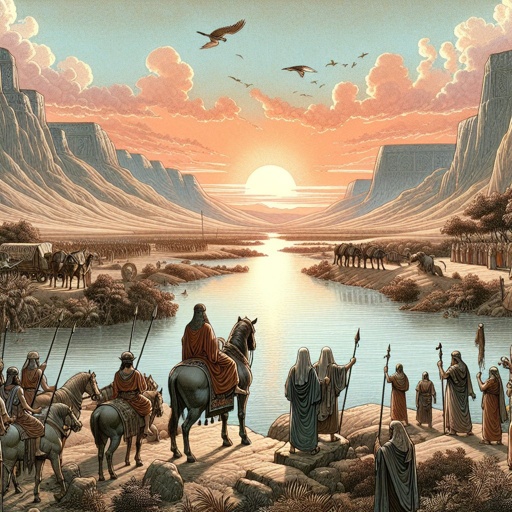
Genesis 36:37 - "And Samlah died, and Saul of Rehoboth by the river reigned in his stead."

Genesis 36:33 - "And Bela died, and Jobab the son of Zerah of Bozrah reigned in his stead."

Genesis 36:38 - "And Saul died, and Baal-hanan the son of Achbor reigned in his stead."

Genesis 36:21 - "And Dishon, and Ezer, and Dishan: these are the dukes of the Horites, the children of Seir in the land of Edom."

Genesis 36:32 - "And Bela the son of Beor reigned in Edom: and the name of his city was Dinhabah."