The Choices We Make: A Lesson from Judah
“And Judah saw there a daughter of a certain Canaanite, whose name was Shuah; and he took her, and went in unto her.” — Genesis 38:2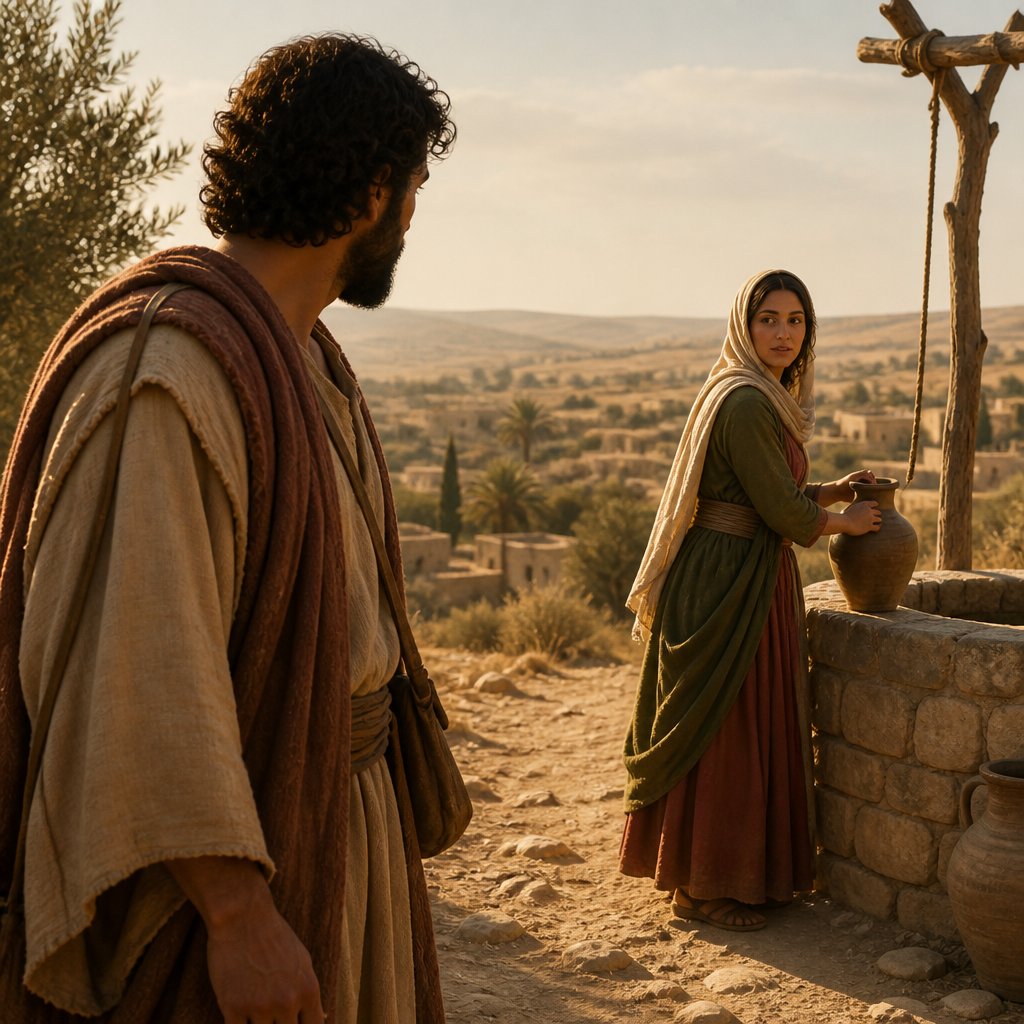
In Genesis 38:2, we read, "And Judah saw there a daughter of a certain Canaanite, whose name was Shuah; and he took her, and went in unto her." This verse may appear simplistic at first glance, but it holds profound significance that invites us to reflect on the choices we make in our lives and their repercussions.
Judah's encounter with Shuah, a Canaanite woman, serves as a critical moment of decision-making that reveals both his character and the consequences of his actions. To truly grasp the depth of this passage, we need to understand the context in which Judah's choice unfolded.
Judah was one of the twelve sons of Jacob, called to be the ancestor of a tribe that would play a significant role in the history of Israel. Each choice he made not only affected his life but also the lives of future generations. When he saw Shuah, he did what was natural and instinctual—he reached out, claimed her, and began a familial connection. However, the context of his choice brings a thoughtful pause: Judah was entering into a relationship with a woman from a lineage that did not worship the God of Israel.
By choosing a Canaanite woman, Judah was stepping outside the boundaries set by God for the Israelites. In the Old Testament, God had given explicit instructions regarding intermarriage with foreign nations. In Deuteronomy 7:3-4, He says, "Neither shalt thou make marriages with them; thy daughter thou shalt not give unto his son, nor his daughter shalt thou take unto thy son. For they will turn away thy son from following me, that they may serve other gods." The underlying issue here is not just about ethnic identities but rather about fidelity to God’s commandments that kept the Israelites in covenant relationship with Him.
Judah's choice represents a moment where desire overtakes discernment—a frequent struggle for many. We navigate through life, faced with choices, and some appeal to our immediate desires rather than God’s directives. Judah’s choice is a warning that proximity to temptation can lead to decisions that, while fulfilling in the moment, bring about a ripple effect of consequences that may impact not just ourselves, but generations to come.
Reflecting upon Judah's action, we can draw lessons about intentionality in our relationships. The relationships we foster—romantic, platonic, or professional—should reflect our values and priorities as believers. Throughout Scripture, we are encouraged to seek companionship that honors God and promotes spiritual growth. The question arises: are we pursuing relationships that draw us closer to Christ, or are we settling for immediate satisfaction that may lead us away from our commitment to Him?
Furthermore, Judah's choice culminated in a series of events that led to significant strife in his family and the eventual birth of his sons, who would play prominent roles in the lineage of Israel. The lineage of Jesus Christ stemmed from these very choices—a reminder that God can utilize even our missteps for His redemptive purposes. Yet, this does not absolve us from the accountability of our decisions.
As we ponder Judah’s choice, let us pray for wisdom in our own lives. Let us seek God’s direction in our relationships, ensuring they align with His will. In James 1:5, we are reminded, "If any of you lack wisdom, let him ask of God, that giveth to all men liberally, and upbraideth not; and it shall be given him."
The choices we make, both big and small, shape not only our lives but also the lives of those who come after us. May we tread carefully, seeking the face of God as we engage with the world around us, ensuring each decision brings glory to Him.
Get our apps


Artwork for Genesis 38:2

Genesis 38:2 - "And Judah saw there a daughter of a certain Canaanite, whose name was Shuah; and he took her, and went in unto her."
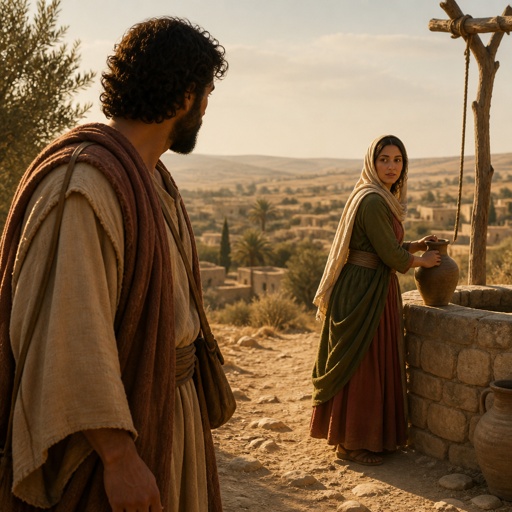
"And Judah saw there a daughter of a certain Canaanite, whose name was Shuah; and he took her, and went in unto her." - Genesis 38:2

Genesis 19-38

Genesis 24-38

Genesis 38:6 - "And Judah took a wife for Er his firstborn, whose name was Tamar."

Genesis 38:3 - "And she conceived, and bare a son; and he called his name Er."

Genesis 38:7 - "And Er, Judah's firstborn, was wicked in the sight of the LORD; and the LORD slew him."

Genesis 36:38 - "And Saul died, and Baal-hanan the son of Achbor reigned in his stead."

Genesis 38:27 - "¶ And it came to pass in the time of her travail, that, behold, twins were in her womb."

Genesis 38:4 - "And she conceived again, and bare a son; and she called his name Onan."

Genesis 38:10 - "And the thing which he did displeased the LORD: wherefore he slew him also."

Acts 2:38

Acts 2:38

Acts 2:38

Acts 2:38

Acts 2:38

Acts 2:38

Acts 2:38

Acts 2:38

Acts 2:38

Acts 2:38

Acts 2:38

Acts 2:38

Acts 2:38

Acts 2:38

Acts 2:38

Acts 2:38

Acts 2:38

Acts 2:38

Acts 2:38