The Fear of Exposure: Finding Courage in Vulnerability
“And he said, I heard thy voice in the garden, and I was afraid, because I was naked; and I hid myself.” — Genesis 3:10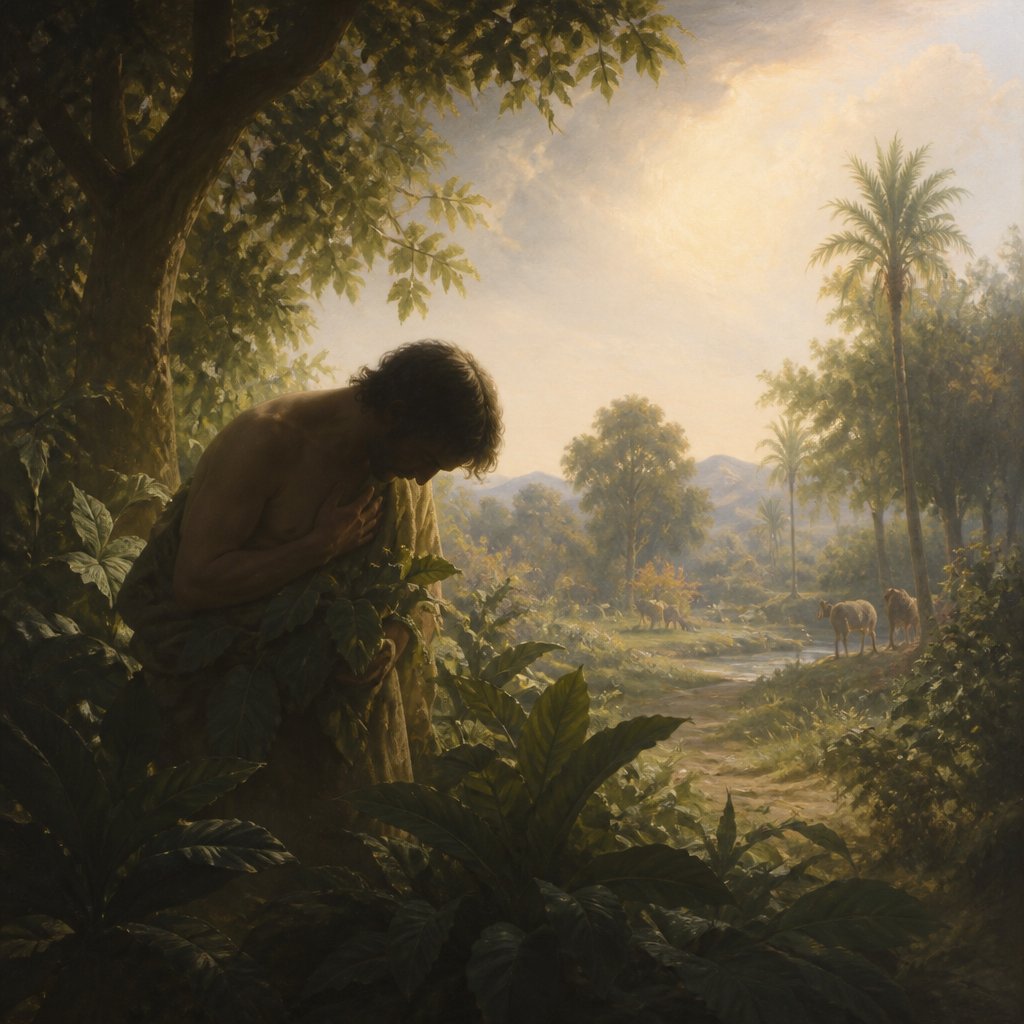
In Genesis 3:10, we find a powerful yet poignant moment in the human experience: "And he said, I heard thy voice in the garden, and I was afraid, because I was naked; and I hid myself." These words spoken by Adam are rich with meaning, encapsulating the themes of fear, shame, vulnerability, and the instinct to hide from God.
As we reflect on this verse, we must remember the context. It follows the monumental moment of the Fall, where Adam and Eve chose to disobey God and eat from the tree of the knowledge of good and evil. Their choice brought immediate awareness of their nakedness, both physical and emotional. In this newfound awareness, fear crept in, which led them to hide from the very God who had lovingly created them and walked with them in the garden.
At the heart of Adam’s response is a recognition of vulnerability. Being naked is not just about the absence of clothing; it symbolizes total exposure. In our human condition, being vulnerable can be terrifying. It reveals our flaws, insecurities, and sins. How often do we find ourselves in a similar state as Adam? When faced with the voice of God, do we cower in fear, overwhelmed by feelings of inadequacy?
Moreover, Adam’s fear led him to hide. The act of hiding is instinctual. When we feel exposed, our natural response is to retreat, to shield ourselves from what might be perceived as judgment or rejection. Like Adam, we build walls around our hearts, convincing ourselves that we can avoid the disappointment of God and others by concealing our true selves. Yet, this same avoidance perpetuates our separation from God and stifles our spiritual growth.
God, however, does not desire for us to hide. The sheer fact that He called out to Adam is an expression of His desire for a relationship. Despite Adam’s fear and shame, God approached him, demonstrating that He seeks us out in our most vulnerable moments. Reflecting on this, we can draw comfort in knowing that our weaknesses do not disqualify us from God’s love. Rather, they open the door for grace to intervene in our lives.
In our spiritual journeys, it is vital to understand that being vulnerable with God leads to healing. James 5:16 encourages us to "Confess your faults one to another, and pray one for another, that ye may be healed..." Vulnerability, when shared, can transform isolation into community, shame into support, and fear into faith.
Additionally, the voice of God that Adam heard can be perceived as both a call to repentance and an invitation to embrace a new beginning. When God confronts us about our sins, it is not to shame us but to liberate us from the bondage of fear. He desires us to shed the burdens we carry and step out from behind our carefully constructed barriers. In doing so, we can discover the beauty of grace: God’s unmerited favor that covers our nakedness, allowing us to stand confidently in His presence.
Thus, as we meditate on Genesis 3:10, let us not remain in our hiding places. Instead, let us approach God with courage and humility, laying bare our hearts before Him. Remember that it is in our vulnerability that He meets us with compassion, forgiveness, and love. May we learn to trust Him not just with our strengths and successes, but also with our weaknesses. In doing so, we begin to reflect His image more beautifully and authentically.
As we conclude this reflection, let’s challenge ourselves: what are the hidden areas of our lives that we need to bring into the light? Where are we afraid to be vulnerable? Let us pray for the courage to step out from hiding and into the embrace of our loving Father, finding security in His grace.
In Christ, we are covered, and in Him, we find the strength to be truly seen.
Get our apps


Artwork for Genesis 3:10

Genesis 3:10 - "And he said, I heard thy voice in the garden, and I was afraid, because I was naked; and I hid myself."
"And he said, I heard thy voice in the garden, and I was afraid, because I was naked; and I hid myself." - Genesis 3:10

Genesis 10:3 - "And the sons of Gomer; Ashkenaz, and Riphath, and Togarmah."
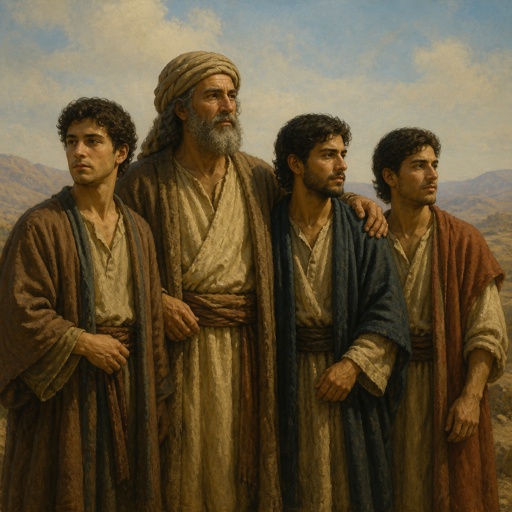
"And the sons of Gomer; Ashkenaz, and Riphath, and Togarmah." - Genesis 10:3

Genesis 15:10

Genesis 23-10

Genesis 22-10

Genesis 17:10

Genesis 16:10

Genesis 13:10

Genesis 19-10

Genesis 20-10

Genesis 18-10

Genesis 22:10

Genesis 21-10

Genesis 25-10

Genesis 24:10

Genesis 28:10

Genesis 10:10 - "And the beginning of his kingdom was Babel, and Erech, and Accad, and Calneh, in the land of Shinar."

Genesis 3

Genesis 10:28 - "And Obal, and Abimael, and Sheba,"

Genesis 1:10-14

Genesis 30:10-11

Genesis 10:16 - "And the Jebusite, and the Amorite, and the Girgasite,"

Genesis 10:27 - "And Hadoram, and Uzal, and Diklah,"

Genesis 10:17 - "And the Hivite, and the Arkite, and the Sinite,"
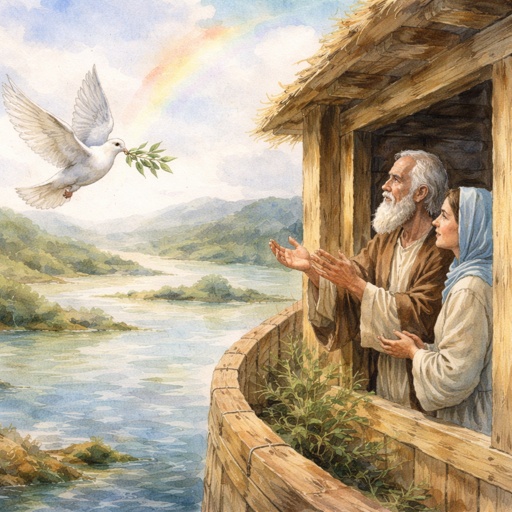
genesis 8:10-12

Genesis 27:10 KJV

Genesis 3:8

Genesis 18-3