The Weight of Consequences: Understanding Cain's Lament
"Behold, thou hast driven me out this day from the face of the earth; and from thy face shall I be hid; and I shall be a fugitive and a vagabond in the earth; and it shall come to pass, that every one that findeth me shall slay me." - Genesis 4:14
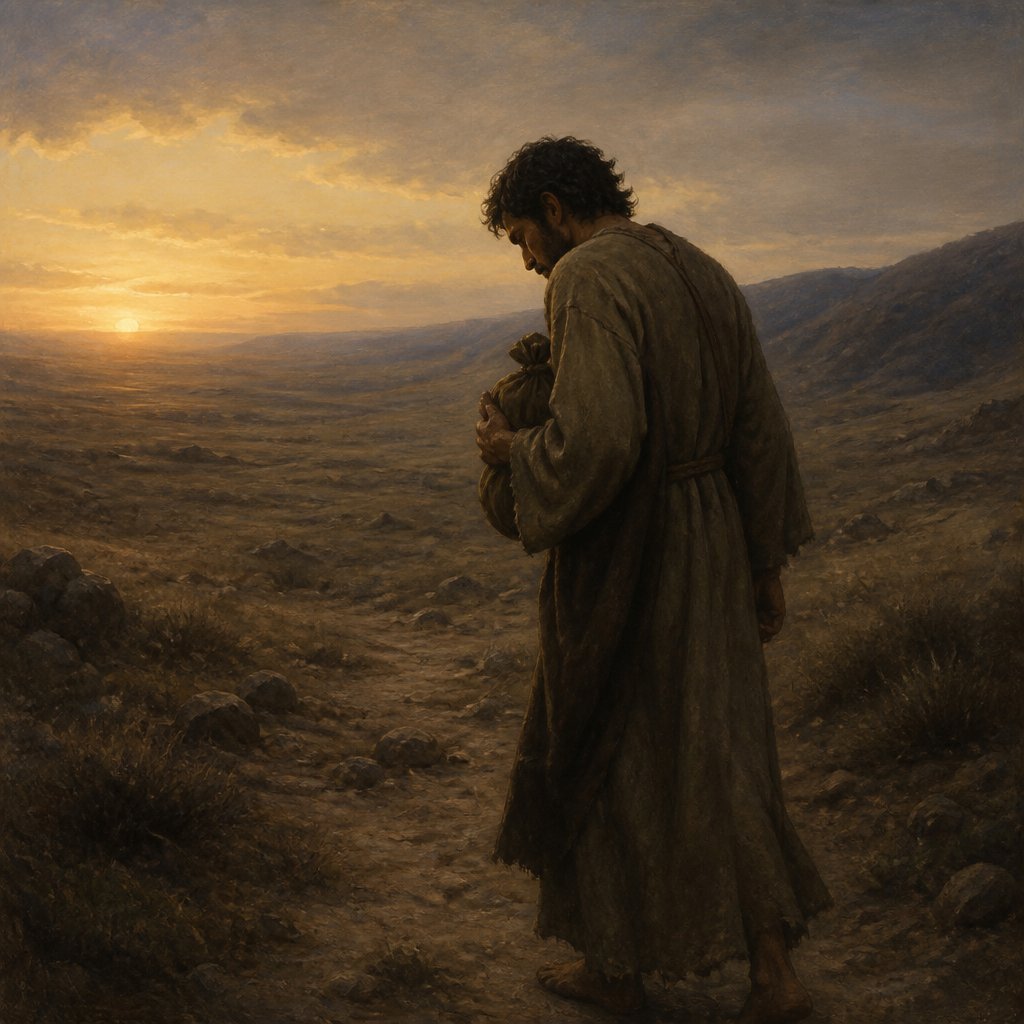
The poignant words of Cain in Genesis 4:14 resound as a powerful echo of loss, alienation, and dread: "Behold, thou hast driven me out this day from the face of the earth; and from thy face shall I be hid; and I shall be a fugitive and a vagabond in the earth; and it shall come to pass, that every one that findeth me shall slay me." In these verses, we witness the profound impact of sin and the crushing burden of consequences that Cain carries after his fateful decision to kill his brother Abel.
Cain's lamentation encapsulates the essence of spiritual exile. It serves as a reminder of how actions, especially those that diverge from God’s will, can lead to irreversible consequences that fracture relationships and lead to isolation. Cain did not just lose his brother; he forfeited his place in the community and faced the terrifying reality of being cut off from God's presence. As Cain spoke of being driven from the face of the earth, he expressed a deep sense of loss, not only of his family but most importantly, of the communion he once had with God.
To understand Cain's lament fully, we must look back at the reasons behind his desperate proclamation. In Genesis 4:12, God tells Cain that he will be a fugitive and a vagabond, a restless wanderer without a home. This was not merely a punishment; it was a reflection of the inner turmoil and emotional agony that Cain would now face. Sin often leads to a fragmented life; it distances us from God, and in Cain's case, it stripped him of his identity and purpose.
As we reflect on Cain's fear that "every one that findeth me shall slay me," we realize that his sin-induced alienation bred an overwhelming anxiety about his existence. His act of violence did not bring the satisfaction he anticipated but resulted instead in a legacy of fear and vulnerability. He became consumed with thoughts of retribution; the very person he would run into could potentially become his executioner. This awareness illustrates the disruption that sin brings, not only to one’s relationship with God but also in how we relate to others.
When we read Genesis 4:14, we might be tempted to dismiss Cain’s response as overly dramatic. However, let us remember that each of us has the potential for Cain's choices—that we, too, can find ourselves caught in the cycle of sin and consequence. The profound message here does not solely dwell on punishment; rather, it invites us into reflection about how far we are willing to stray from God and the ramifications that follow.
In Cain’s story, we see a universal truth about humanity—it reveals our struggles, insecurities, and the need for redemption. The truth that from our sin, we face severed connections should drive us closer to God. It is in recognizing our propensity for sin and the serious fallout that we become aware of our desperate need for divine grace. Just as Cain experienced separation from God, sin separates us from Him, but unlike Cain, we now have the opportunity for reconciliation through the redemptive work of Jesus Christ.
As we ponder these lessons from the life of Cain, let us examine our own hearts and consider any weights of sin we may carry. Are there times we have acted out of jealousy, anger, or bitterness, leading to broken relationships or emotional distances? How can we seek to mend these gaps? Cain's story teaches us that while consequences may be severe, God's grace is more than sufficient for our failings.
Let us approach today with hearts ready for restoration, acknowledging our own vulnerabilities while seeking the Face of the Lord. God desires to bring us back into fellowship with Him, free from the shadows of our past mistakes. May we take comfort in knowing that though we may feel like vagabonds in our journey, God offers us steadfast love, hope, and the promise of a new beginning.
Want to reflect more on Genesis 4:14?
Continue your spiritual journey with Bible Chat — an AI-powered tool for exploring God's Word through conversation. Ask questions, discover connections, and deepen your understanding.
Get Our Apps


Genesis 4:14 Artwork
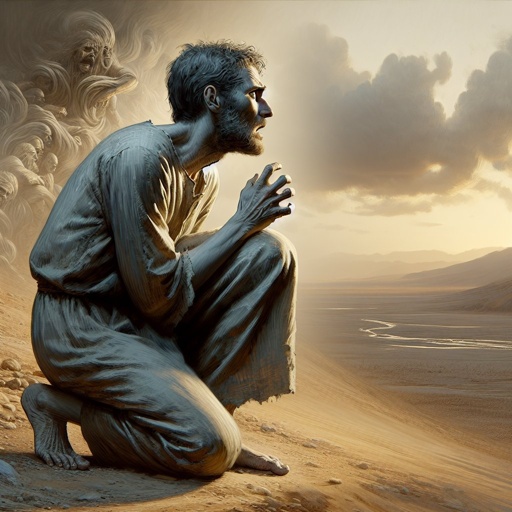
Genesis 4:14 - "Behold, thou hast driven me out this day from the face of the earth; and from thy face shall I be hid; and I shall be a fugitive and a vagabond in the earth; and it shall come to pass, that every one that findeth me shall slay me."
"Behold, thou hast driven me out this day from the face of the earth; and from thy face shall I be hid; and I shall be a fugitive and a vagabond in the earth; and it shall come to pass, that every one that findeth me shall slay me." - Genesis 4:14

Genesis 14:4 - "Twelve years they served Chedorlaomer, and in the thirteenth year they rebelled."
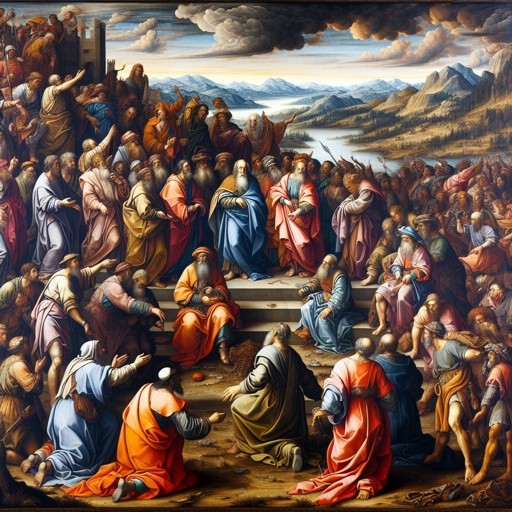
Genesis 14:4 Twelve years they served chedorlaomer, and in the thirteenth year they rebelled.
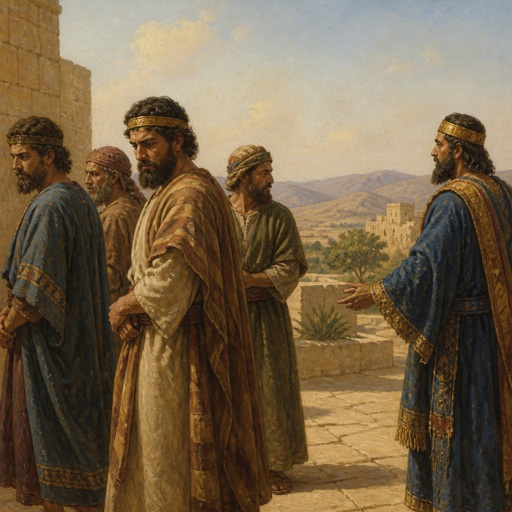
"Twelve years they served Chedorlaomer, and in the thirteenth year they rebelled." - Genesis 14:4

Genesis 22 14

Genesis 19-14

Genesis 21:14

Genesis 15:14

Genesis 22-14

Genesis 25-14

Genesis 23-14

Genesis 24-14

Genesis 17-14

Genesis 16:14

Genesis 20-14

Genesis 28-14

Genesis 18-14

Genesis 25:14 - "And Mishma, and Dumah, and Massa,"

Genesis 18:9-14

Genesis 1:10-14

Genesis 18:1-14

Genesis 14:1-2

Genesis 18:11-14

Genesis 22:1-14

Genesis 46:14 - "¶ And the sons of Zebulun; Sered, and Elon, and Jahleel."

Genesis 23:14 - "And Ephron answered Abraham, saying unto him,"

Genesis 23-4

Genesis 20-4

Genesis 21-4