The Weight of Divine Disfavor: Understanding Cain's Anger
"But unto Cain and to his offering he had not respect. And Cain was very wroth, and his countenance fell." - Genesis 4:5
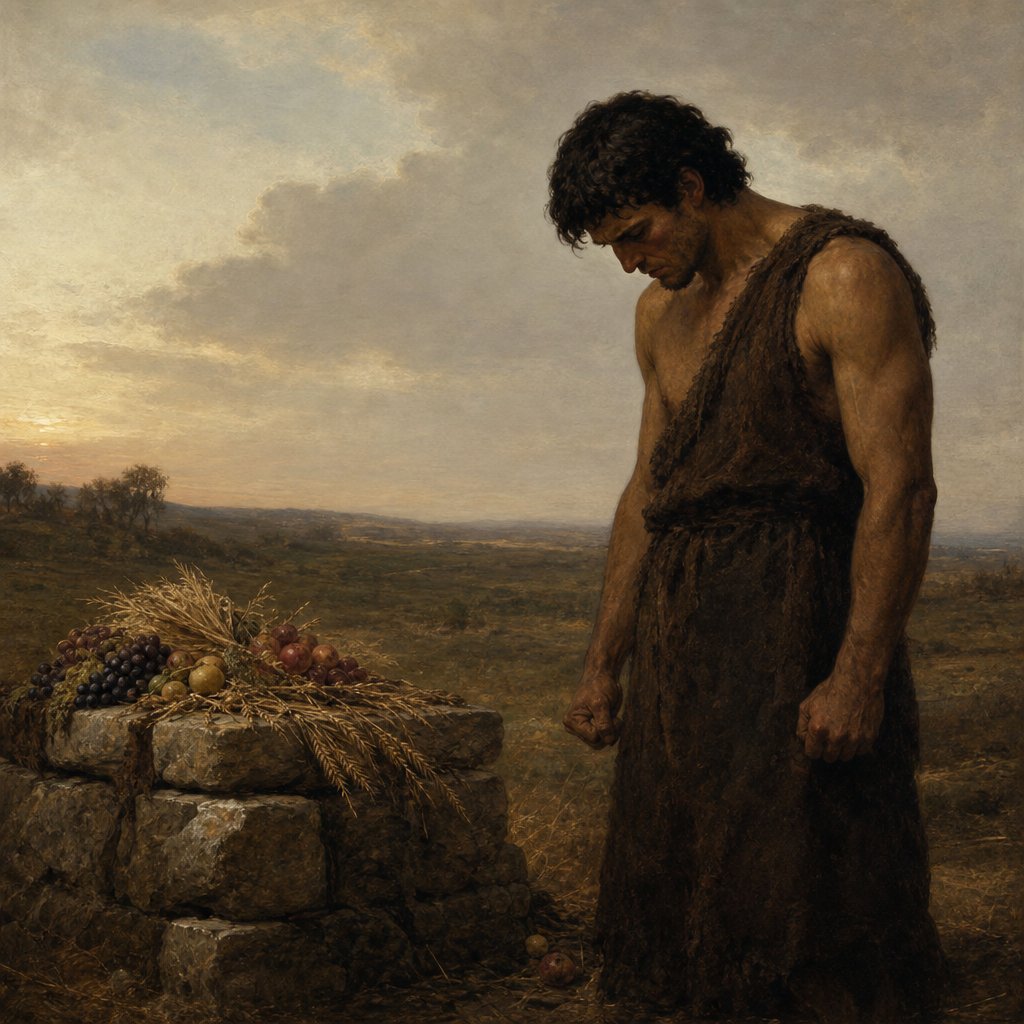
The story of Cain and Abel, as recounted in Genesis 4:5, is a foundational narrative in the biblical canon that reveals much about the human condition, the nature of worship, and the spiritual principles that govern our relationship with God. The verse reads: "But unto Cain and to his offering he had not respect. And Cain was very wroth, and his countenance fell." Here, we witness a pivotal moment in the lives of the first brothers, one that illustrates the profound implications of divine acceptance and the complex emotions that accompany perceived rejection.
**Understanding Cain's Offering**
To fully appreciate the weight of this moment, we must first consider what prompted God’s disregarding of Cain’s offering. Cain, as the firstborn, was tasked with the stewardship of the ground, and as such, he brought forth an offering of the fruits of the earth. The text does not provide a detailed description of the quality of his offering, but the implication in the surrounding narratives is that either the nature of the offering or Cain's heart behind it was lacking. While Abel offered the best of his flock—a genuine act of devotion and worship—Cain’s offering lacked the same sense of gratitude and reverence that characterized Abel's. In essence, it reflects a crucial truth: God values the heart behind the offering more than the offering itself.
**Exploring Cain's Anger**
God's rejection of Cain's offering led to a powerful emotional response from Cain. We read that "Cain was very wroth," a phrase that conveys not just anger but an overflowing rage, coupled with despair as his "countenance fell." His reaction reveals a deep internal struggle; instead of introspection, he allowed his anger to fester. This moment is significant because it showcases how easily we can react to perceived injustices, especially from authority figures or God Himself. Cain’s anger blurs his judgment, clouding his ability to reflect on why God favored Abel’s offering over his own.
**The Danger of Resentment**
Cain is not just angry at God; he is also consumed with jealousy toward Abel. This type of envy can distort our perception of our own worth and our relationships with others. It serves as a word of caution for us: resentment can lead us down a path of destruction, as it did for Cain when he later resorted to violence against his brother. This story invites us to reflect on how we respond when we sense that others receive favor while we do not. Are we quick to assign blame? Do we nurture feelings of bitterness? Or do we take this as an opportunity to grow closer to God?
**God's Grace and Warning**
In the very next verses, we see God’s mercy as He speaks to Cain. God addresses Cain's anger—rather than condemnation, there is an invitation to introspection and reconciliation. He reminds Cain that sin "lieth at the door" and that he must rule over it. God’s direct confrontation is a manifestation of divine grace; He provides guidance even in Cain's states of turmoil. This conversation emphasizes that while Cain felt abandoned, God was actually reaching out, showing him the path of humility and restoration.
**Lessons from Cain's Experience**
Ultimately, Cain's story serves as a mirror for us. It calls us to examine our own hearts, ensuring that our offerings to God—whether they be acts of service, worship, or our very lives—stem from a place of love and sincerity, rather than obligation or comparison. God's respect for Abel's offering is not an indictment against Cain but an indication of the spirit of true worship, which comes from a heart fully surrendered to Him.
As we pursue our relationship with God, let us strive to offer Him our best, not just in terms of material gifts, but in our love, devotion, and obedience. May we guard against the snares of jealousy and anger, remembering that even when faced with disappointment, our response can be one of reflection and growth rather than destruction and despair. Let us turn our hearts toward God, seeking His favor through faithfulness, sincerity, and love.
Want to reflect more on Genesis 4:5?
Continue your spiritual journey with Bible Chat — an AI-powered tool for exploring God's Word through conversation. Ask questions, discover connections, and deepen your understanding.
Get Our Apps


Genesis 4:5 Artwork

Genesis 4:5 - "But unto Cain and to his offering he had not respect. And Cain was very wroth, and his countenance fell."
"But unto Cain and to his offering he had not respect. And Cain was very wroth, and his countenance fell." - Genesis 4:5

Genesis 4:5-7 - "But unto Cain and to his offering he had not respect. And Cain was very wroth, and his countenance fell. And the Lord said unto Cain, Why art thou wroth? and why is thy countenance fallen? If thou doest well, shalt thou not be accepted? and if thou doest not well, sin lieth at the door. And unto thee shall be his desire, and thou shalt rule over him."
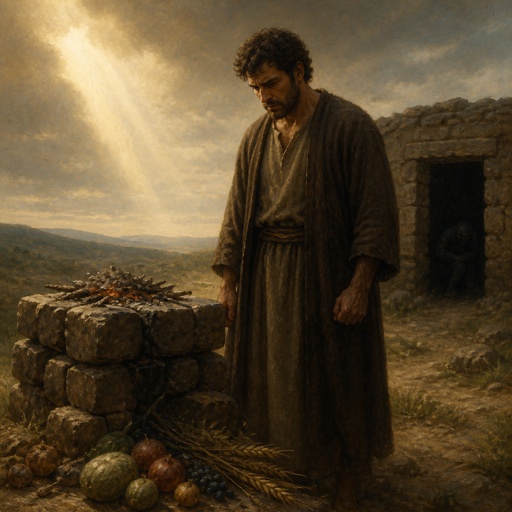
"But unto Cain and to his offering he had not respect. And Cain was very wroth, and his countenance fell. And the Lord said unto Cain, Why art thou wroth? and why is thy countenance fallen? If thou doest well, shalt thou not be accepted? and if thou doest not well, sin lieth at the door. And unto thee shall be his desire, and thou shalt rule over him." - Genesis 4:5-7

Genesis 5:4 - "And the days of Adam after he had begotten Seth were eight hundred years: and he begat sons and daughters:"

Genesis 24:5

Genesis 27:5

Genesis 17:5

Genesis 20-5

Genesis 11:5

Genesis 22-5

Genesis 1:5

Genesis 11:5

Genesis 11:5

Genesis 23-5

Genesis 25:5

Genesis 21-5

Genesis 16:5

Genesis 11:5

Genesis 1:5

Genesis 19-5

Genesis 29-5

Genesis 1:5

Genesis 18-5

Genesis 11:5

Genesis 5:5 - "And all the days that Adam lived were nine hundred and thirty years: and he died."
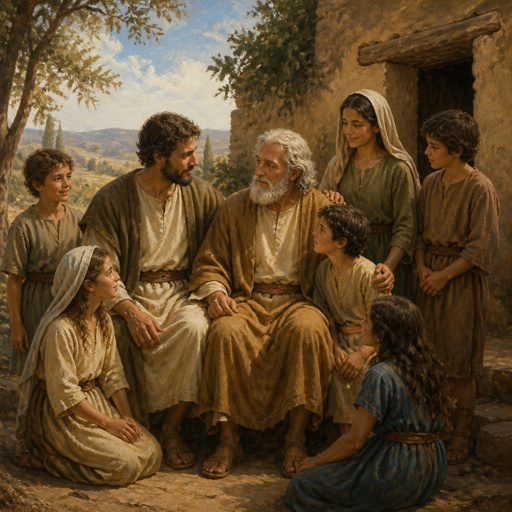
"And the days of Adam after he had begotten Seth were eight hundred years: and he begat sons and daughters:" - Genesis 5:4

Genesis 23-4

Genesis 20-4

Genesis 21-4