The Blessing of Purpose: Embracing the Divine Plan
"And his father refused, and said, I know it, my son, I know it: he also shall become a people, and he also shall be great: but truly his younger brother shall be greater than he, and his seed shall become a multitude of nations." - Genesis 48:19
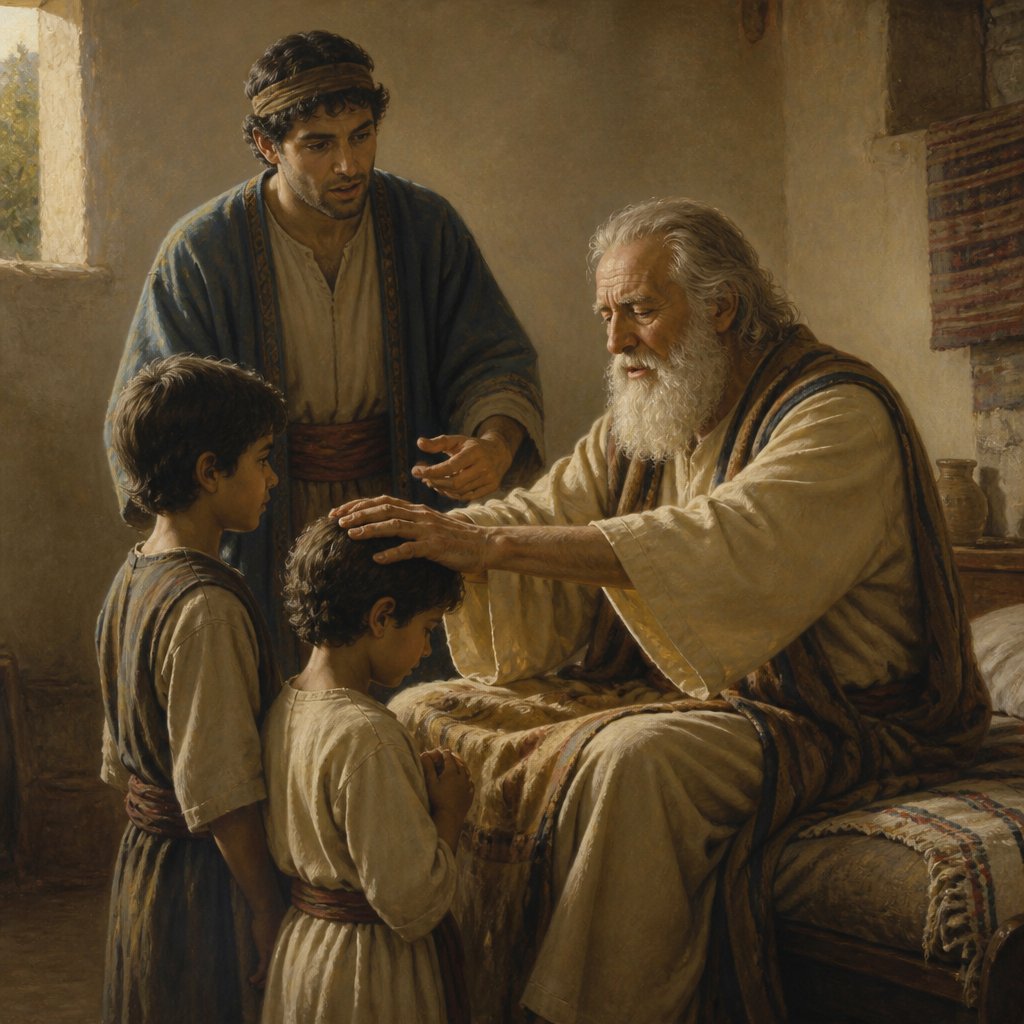
In the world of familial relationships and heirship, the narrative of Jacob blessing Joseph’s sons—Ephraim and Manasseh—holds a profound lesson in the divine orchestration of purpose and greatness. Genesis 48:19 (KJV) captures a poignant moment: "And his father refused, and said, I know it, my son, I know it: he also shall become a people, and he also shall be great: but truly his younger brother shall be greater than he, and his seed shall become a multitude of nations."
To understand the depth of this scripture, we must explore both the historical context and the prophetic pronouncement woven into Jacob’s words. Here, Jacob, on his deathbed, perceives and acknowledges the future of his grandsons through the lens of God's eternal design. Manasseh, the firstborn of Joseph, represents the promise of being a great nation, a significant people in the fabric of Israeli history. However, it is the younger brother, Ephraim, who is prophesied to surpass his elder sibling in prominence.
This moment serves as a striking reminder that God’s plans frequently transcend human expectations and societal norms. In a culture where the firstborn traditionally received the greater blessing—the double share of the inheritance—Jacob’s choice heralds a profound truth: God’s choices in leadership, inheritance, and calling often defy conventional wisdom. As individuals marvel at the ways God elevates the seemingly unqualified or overlooked, we are called to relinquish our assumptions, embracing God’s perspective over our narrow view.
Jacob’s blessing signifies not just favoritism; it’s an acknowledgment of God’s sovereign hand at work. The acknowledgment, “I know it, my son, I know it,” emphasizes Jacob's understanding of the implications of his words. He recognizes that while both brothers have distinct destinies, Ephraim’s lineage will expand into what Scriptures later reveal as the House of Israel, suggesting a multitude of nations emerging from his seed—indeed, a foreshadowing of God’s ability to create great legacies from the humble beginnings.
This scripture invites reflection upon our own paths and the blessings we seek. It raises a profound question: do we trust that God can work through our lives, regardless of our position or pedigree? Often, we find ourselves wrestling with feelings of inadequacy or disregarded purpose. However, just as Jacob declares over Ephraim, God declares purpose and greatness over us. Through Calvary, our worth and destiny are elevated to levels of incomprehensible greatness in service to His Kingdom.
In this story, we also see the significance of wrestling with our circumstances and understanding our identity in God. Jacob himself was a younger brother, one who was not the favored child in his youth, yet he carries the blessing that transforms narratives. God saw beyond his past and embraced him in the covenant. As believers, we are called to continually assess our identities and purpose in light of our relationship with the Father, understanding that our value and direction are not predicated on what society deems significant but rather on our divine calling rooted in God’s love and grace.
Moreover, as one contemplates the implications of Ephraim's foretold greatness, it emphasizes a fundamental truth in the Kingdom of God: there is more room for multitudes entering His promise than our finite minds can comprehend. In God’s economy, success knows no bounds, and potential blooms even in obscurity.
As we navigate our spiritual lives, can we walk with assurance that God’s plans involve not just our immediate families, but also generations to come? This scripture calls us to not only pursue our individual blessings but to intercede and invest in the futures of those around us, nurturing faith in the younger generations, trusting that God is at work within them.
Ultimately, Genesis 48:19 inspires us to understand that greatness in God’s eyes stems from His wisdom and overarching narrative. As we become more attuned to His voice, let us wholly embrace the blessings laid before us, fostering an environment where God's purpose flourishes within our lives and the lives of countless others.
Want to reflect more on Genesis 48:19?
Continue your spiritual journey with Bible Chat — an AI-powered tool for exploring God's Word through conversation. Ask questions, discover connections, and deepen your understanding.
Get Our Apps


Genesis 48:19 Artwork
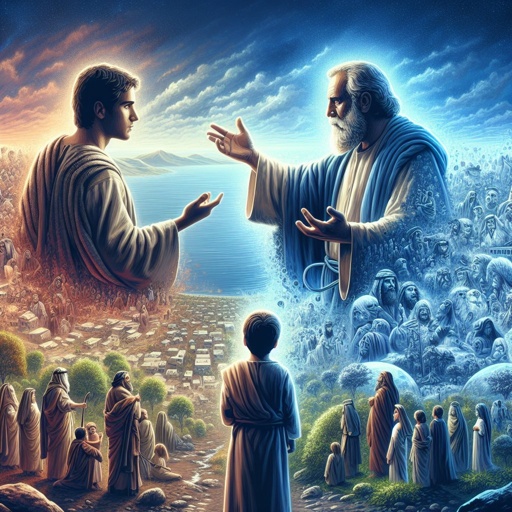
Genesis 48:19 - "And his father refused, and said, I know it, my son, I know it: he also shall become a people, and he also shall be great: but truly his younger brother shall be greater than he, and his seed shall become a multitude of nations."
"And his father refused, and said, I know it, my son, I know it: he also shall become a people, and he also shall be great: but truly his younger brother shall be greater than he, and his seed shall become a multitude of nations." - Genesis 48:19

Genesis 24-48

Genesis 48:8 - "And Israel beheld Joseph's sons, and said, Who are these?"

Ezekiel 48:19 - "And they that serve the city shall serve it out of all the tribes of Israel."

Joshua 19:48 - "This is the inheritance of the tribe of the children of Dan according to their families, these cities with their villages."

Luke 19:48 - "And could not find what they might do: for all the people were very attentive to hear him."

Genesis 31:48 - "And Laban said, This heap is a witness between me and thee this day. Therefore was the name of it called Galeed;"

Jeremiah 48:19 - "O inhabitant of Aroer, stand by the way, and espy; ask him that fleeth, and her that escapeth, and say, What is done?"

Genesis 48:3 - "And Jacob said unto Joseph, God Almighty appeared unto me at Luz in the land of Canaan, and blessed me,"

Genesis 48:12 - "And Joseph brought them out from between his knees, and he bowed himself with his face to the earth."
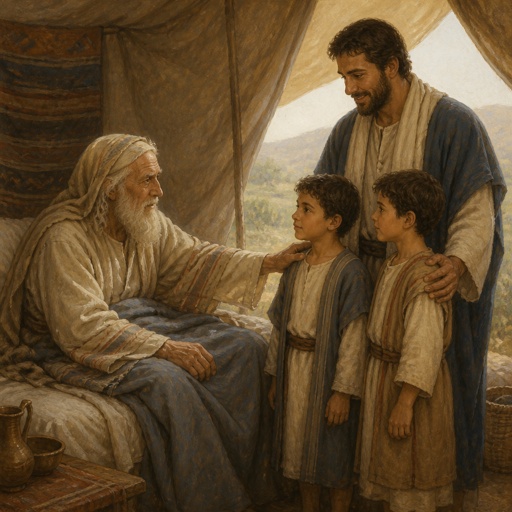
"And Israel beheld Joseph's sons, and said, Who are these?" - Genesis 48:8
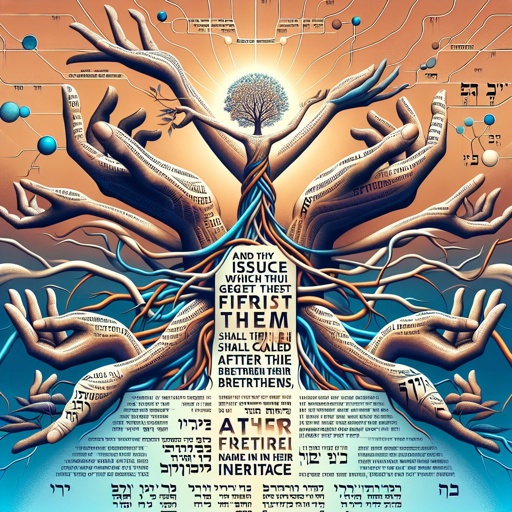
Genesis 48:6 - "And thy issue, which thou begettest after them, shall be thine, and shall be called after the name of their brethren in their inheritance."

Genesis 19-19

Genesis 48:18 - "And Joseph said unto his father, Not so, my father: for this is the firstborn; put thy right hand upon his head."
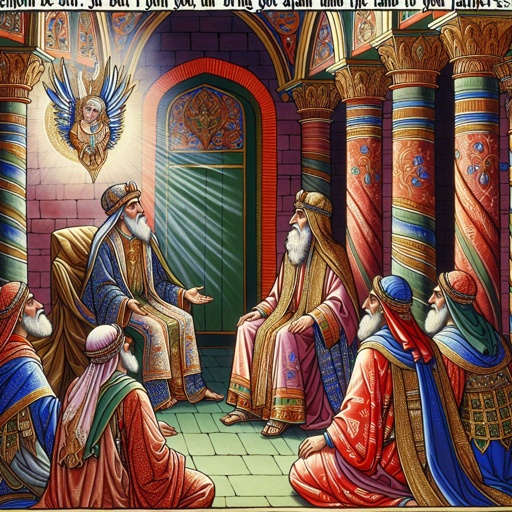
Genesis 48:21 - "And Israel said unto Joseph, Behold, I die: but God shall be with you, and bring you again unto the land of your fathers."

Genesis 48:2 - "And one told Jacob, and said, Behold, thy son Joseph cometh unto thee: and Israel strengthened himself, and sat upon the bed."
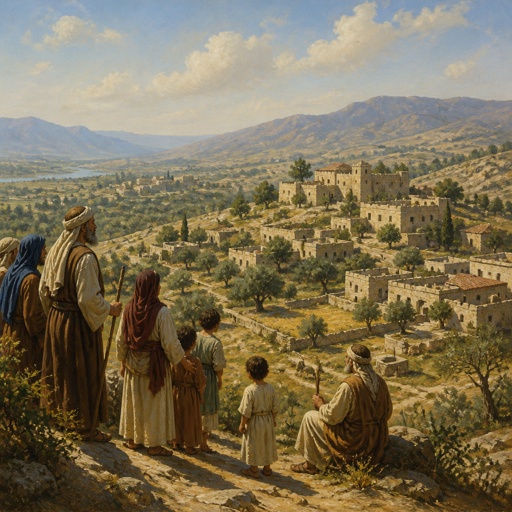
"This is the inheritance of the tribe of the children of Dan according to their families, these cities with their villages." - Joshua 19:48
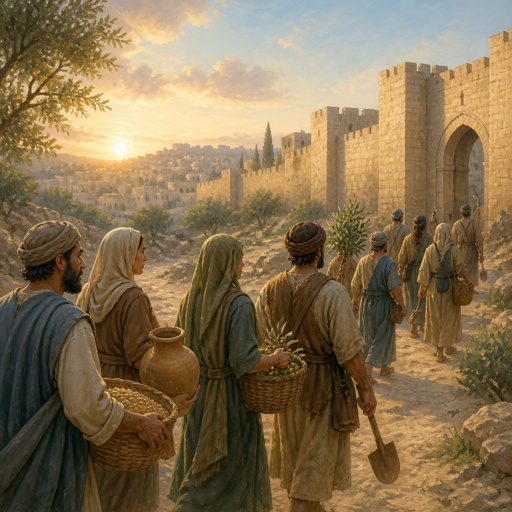
"And they that serve the city shall serve it out of all the tribes of Israel." - Ezekiel 48:19
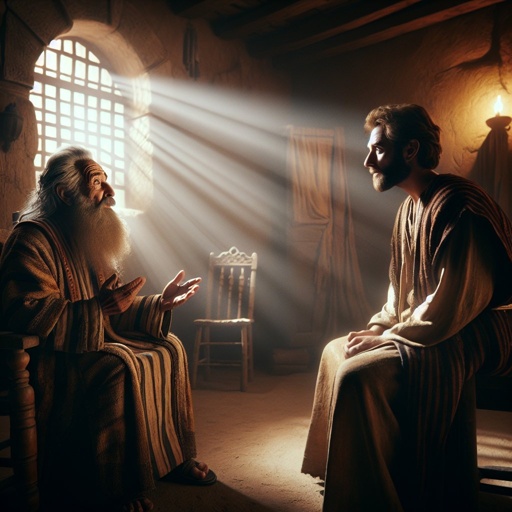
Genesis 48:11 - "And Israel said unto Joseph, I had not thought to see thy face: and, lo, God hath shewed me also thy seed."
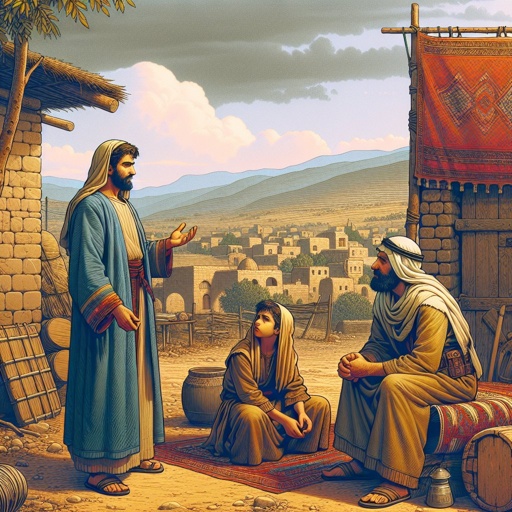
Genesis 48:1 - "And it came to pass after these things, that one told Joseph, Behold, thy father is sick: and he took with him his two sons, Manasseh and Ephraim."

Genesis 48:22 - "Moreover I have given to thee one portion above thy brethren, which I took out of the hand of the Amorite with my sword and with my bow."

Genesis 48:20 - "And he blessed them that day, saying, In thee shall Israel bless, saying, God make thee as Ephraim and as Manasseh: and he set Ephraim before Manasseh."

Genesis 48:10 - "Now the eyes of Israel were dim for age, so that he could not see. And he brought them near unto him; and he kissed them, and embraced them."

Genesis 15:19

Genesis 23-19

Genesis 19-26

Genesis 19-13

Genesis 28-19

Genesis 19-31