The Call to Our Unique Purpose: Lessons from Cain and Abel
"And she again bare his brother Abel. And Abel was a keeper of sheep, but Cain was a tiller of the ground." - Genesis 4:2
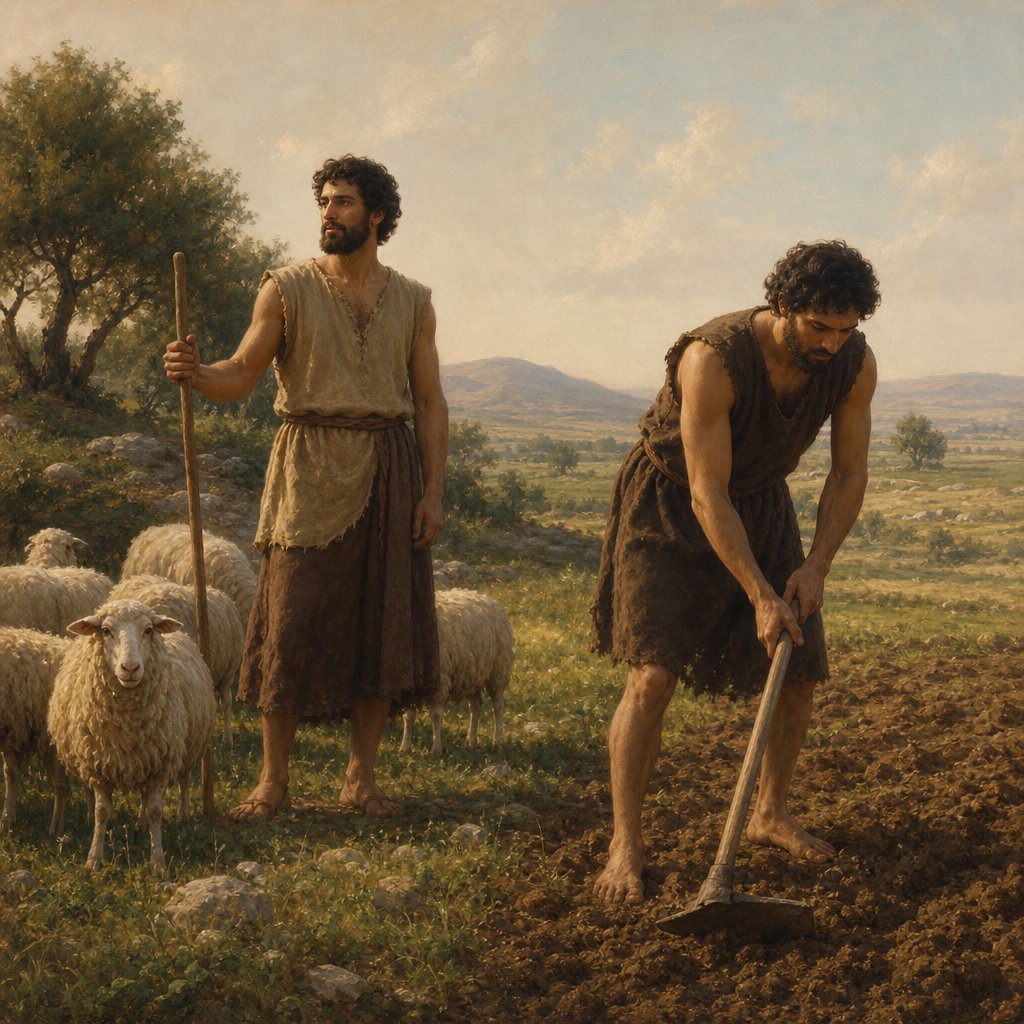
In the book of Genesis, we encounter the inception of humanity's journey, diverse roles, and the complexities of human relationships. Genesis 4:2 states, "And she again bare his brother Abel. And Abel was a keeper of sheep, but Cain was a tiller of the ground." This verse not only introduces us to two pivotal characters but also to the concept of distinct purposes ordained by God.
At first glance, the simple mention of Cain and Abel's professions may seem mundane; however, it opens a profound conversation about identity, purpose, and vocation. Each brother embodies a different craft—the agricultural pursuits of Cain against the pastoral duties of Abel. Herein lies the essence of their story: God has designed each individual with a unique purpose and calling.
The Divine Craftsmanship of Purpose
In reflecting on Genesis 4:2, we see that God did not create Adam and Eve's children as cookie-cutter replicas of one another but endowed them with distinct roles. Abel, the keeper of sheep, represents pastoral care, nurturing, and protection. His role illustrates the significance of stewardship in tending to God’s creations, providing a tangible expression of faith through the care of the animals. On the other hand, Cain, as the tiller of the ground, embodies the diligence needed for cultivation, hard work, and productivity. His vocation speaks to the value of labor and the relationship between humanity and the earth.
There’s beauty in recognizing our differences. Just as nature thrives through diversity, so too should we embrace the reality that our various gifts and talents are meant to contribute to the greater tapestry of community and worship. Paul emphasizes this diversity in 1 Corinthians 12:12, stating that the body of Christ is made up of many parts, each with its unique function. Likewise, we are called to honor our distinct roles, just as Cain and Abel did in their respective callings.
The Contrast of Approaches
As the narrative progresses (and as we all know), the contrasting destinies of Cain and Abel are acted out in their offerings to God. Abel presents a pleasing sacrifice from the firstlings of his flock while Cain brings an offering of the fruits of the ground. This event raises crucial questions about our approach to worship and offering. What motivates our sacrifices? Are we offering from the fullness of gratitude and respect, or are we merely going through the motions?
The different responses to God’s acceptance of Abel's offering over Cain's hold lessons for us today. It challenges us to examine the authenticity of our engagements with God. Are we deeply connected to our purpose? Do we commit ourselves to excellence, giving God our best within our unique capabilities?
Emerging from the Shadows: Overcoming Comparison and Resentment
While exploring Genesis 4:2, it's essential to acknowledge that Cain's journey illustrates the dark side of human nature—envy and resentment. Cain’s choice to harm Abel resulted from emotional turmoil stemming from comparison and a sense of inadequacy in his own offering. In his quest for approval, Cain allowed jealousy to fester, which ultimately led to devastating actions.
In our pursuit of purpose, we are often tempted to compare ourselves with others, measuring our worth by external standards. However, Spirit-led wisdom calls us to celebrate our distinct paths rather than compete against them. Each life holds significant value, and we are individually responsible for nurturing the talents entrusted to us.
Conclusion: Embracing Our Unique Calling
Genesis 4:2 speaks a timeless truth about human purpose—the world thrives on diversity of talent and the expression of God-given abilities. In our lives today, we are reminded that both the keeper of sheep and the tiller of the ground are equally valuable. God does not measure our worth by the success of our endeavors in comparison with others, but rather by the authenticity of our hearts as we fulfill His purpose.
As we meditate on the lives of Cain and Abel, let us seek to embrace our divine calling, ensuring that in all our efforts—whether in pastoral care, agriculture, or any other vocation—we do so with a spirit of gratitude and commitment. Let us offer our best to God, free from the shackles of comparison, celebrating the unique blessings we bring to the world and the kingdom. Amen.
Want to reflect more on Genesis 4:2?
Continue your spiritual journey with Bible Chat — an AI-powered tool for exploring God's Word through conversation. Ask questions, discover connections, and deepen your understanding.
Get Our Apps


Genesis 4:2 Artwork

Genesis 4:2 - "And she again bare his brother Abel. And Abel was a keeper of sheep, but Cain was a tiller of the ground."
"And she again bare his brother Abel. And Abel was a keeper of sheep, but Cain was a tiller of the ground." - Genesis 4:2

Genesis 2:4 - "¶ These are the generations of the heavens and of the earth when they were created, in the day that the LORD God made the earth and the heavens,"

Genesis 23-4

Genesis 20-4

Genesis 21-4

Genesis 17:4

Genesis 22-4

Genesis 18-4

Genesis 6:4

Genesis 6: 4

Genesis 19-4

Genesis 29-4

Genesis 25-4

Genesis 16:4

Genesis 1:4

Genesis 24-4

"¶ These are the generations of the heavens and of the earth when they were created, in the day that the LORD God made the earth and the heavens," - Genesis 2:4

Genesis 10:4 - "And the sons of Javan; Elishah, and Tarshish, Kittim, and Dodanim."

Genesis 2:1-2

Genesis 2:1-2

Genesis 4:4 - "And Abel, he also brought of the firstlings of his flock and of the fat thereof. And the LORD had respect unto Abel and to his offering:"

Genesis 14:4 - "Twelve years they served Chedorlaomer, and in the thirteenth year they rebelled."

Genesis 36:4 - "And Adah bare to Esau Eliphaz; and Bashemath bare Reuel;"

Genesis 4:24 - "If Cain shall be avenged sevenfold, truly Lamech seventy and sevenfold."

Genesis 3:4 - "And the serpent said unto the woman, Ye shall not surely die:"

Genesis 31:4 - "And Jacob sent and called Rachel and Leah to the field unto his flock,"

2 Corinthians 4:4

2 Corinthians 4:4

Genesis 1:4 - "And God saw the light, that it was good: and God divided the light from the darkness."