The Door of Acceptance: Navigating Emotions with God
"But unto Cain and to his offering he had not respect. And Cain was very wroth, and his countenance fell. And the Lord said unto Cain, Why art thou wroth? and why is thy countenance fallen? If thou doest well, shalt thou not be accepted? and if thou doest not well, sin lieth at the door. And unto thee shall be his desire, and thou shalt rule over him." - Genesis 4:5-7
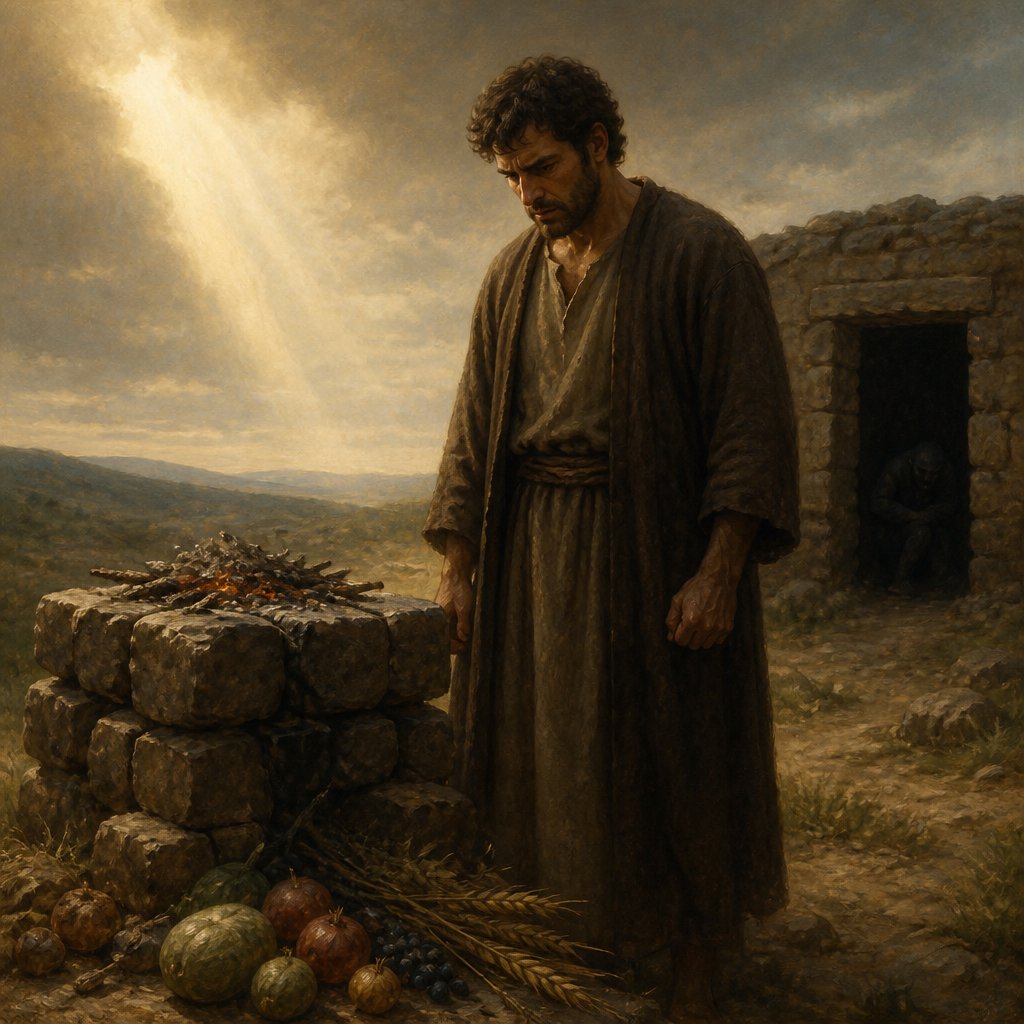
In the profound narrative of Genesis 4:5-7, we find a dramatic portrayal of human emotion and divine response, set within the tragedy of Cain and Abel. The King James Version poignantly states, "But unto Cain and to his offering he had not respect. And Cain was very wroth, and his countenance fell. And the Lord said unto Cain, Why art thou wroth? and why is thy countenance fallen? If thou doest well, shalt thou not be accepted? and if thou doest not well, sin lieth at the door. And unto thee shall be his desire, and thou shalt rule over him." This passage resonates on multiple levels: jealousy, rejection, and the grace-filled opportunity to redirect one’s path.
**God’s Discerning Eye**
God's lack of respect for Cain’s offering isn’t merely a critique of the quality of the sacrifice; it unveils the hidden motives behind it. In the course of biblical history, God has repeatedly emphasized the heart’s condition over the mere act of sacrifice. Cain’s offering, though perhaps seen as sufficient in external actions, failed to reflect the sincere devotion God desires from His followers. Here, God’s rejection ignites a fire of anger in Cain’s heart that leads him down a destructive path. How often do we look to others and compare our efforts, only to feel pangs of inadequacy when their offerings appear to be more beloved by God?
**Confronting Our Emotions**
Cain’s wrath is palpable — the Scripture states that he was “very wroth,” and his countenance fell. This image captures the essence of despair when what we offer seemingly falls short. Here, God gently but pointedly asks Cain, "Why art thou wroth?" This moment of divine inquiry serves as a powerful reminder that our emotions do not go unnoticed by God. In our moments of anger or frustration, He seeks not only to comfort us but to engage us in self-reflection. It is an invitation to confront the truth about ourselves. God does not merely observe our anger; He desires to walk us through it, guiding us towards righteous living, such that we may be accepted.
**Righteousness over Rejection**
“If thou doest well, shalt thou not be accepted?” This question from the Lord indicates that the way forward is not sealed by our past mistakes or our inferior offerings; rather, it is continually open through the opportunity of living well. Every day is a chance for renewal. God graciously offers Cain the pathway back to acceptance — the call to do well stands among us still today. This divine insight is significant; it tells us that our failures do not define us. Rather, they are catalysts that can propel us toward genuine change and leading us to a more profound obedience and love towards God.
**The Warning Against Sin**
Yet woven in God’s counsel is a sobering warning: “and if thou doest not well, sin lieth at the door.” This imagery is striking, suggesting that when we allow our emotions to fester without redirecting them toward God, we open ourselves to sin — temptation prowling at our door, waiting for us to give in. Our emotions, if unchecked, can lead us into a turmoil of anger and actions we may regret. God desires us to rule over our emotions, to direct them toward righteousness.
**Victory through Obedience**
Ultimately, this passage serves as a reminder that we are called to master our feelings and our responses to adversity. Cain’s story becomes a cautionary tale, revealing the consequences of failing to respond rightly to God’s grace. The redemptive message here is profound — that no matter how bleak our situation appears, God’s acceptance and grace await those willing to choose the path of righteousness.
As we navigate our own struggles, let us remember the words of the Lord: each day is another opportunity to do well, to turn our anger into worship, and to rule over the sin that lies so closely, waiting for a moment of weakness. May we choose acceptance, righteousness, and ultimately, the grace that awaits outside the door.
Want to reflect more on Genesis 4:5-7?
Continue your spiritual journey with Bible Chat — an AI-powered tool for exploring God's Word through conversation. Ask questions, discover connections, and deepen your understanding.
Get Our Apps


Genesis 4:5-7 Artwork

Genesis 4:5-7 - "But unto Cain and to his offering he had not respect. And Cain was very wroth, and his countenance fell. And the Lord said unto Cain, Why art thou wroth? and why is thy countenance fallen? If thou doest well, shalt thou not be accepted? and if thou doest not well, sin lieth at the door. And unto thee shall be his desire, and thou shalt rule over him."
"But unto Cain and to his offering he had not respect. And Cain was very wroth, and his countenance fell. And the Lord said unto Cain, Why art thou wroth? and why is thy countenance fallen? If thou doest well, shalt thou not be accepted? and if thou doest not well, sin lieth at the door. And unto thee shall be his desire, and thou shalt rule over him." - Genesis 4:5-7

Genesis 4:5 - "But unto Cain and to his offering he had not respect. And Cain was very wroth, and his countenance fell."

Genesis 7:5 - "And Noah did according unto all that the LORD commanded him."
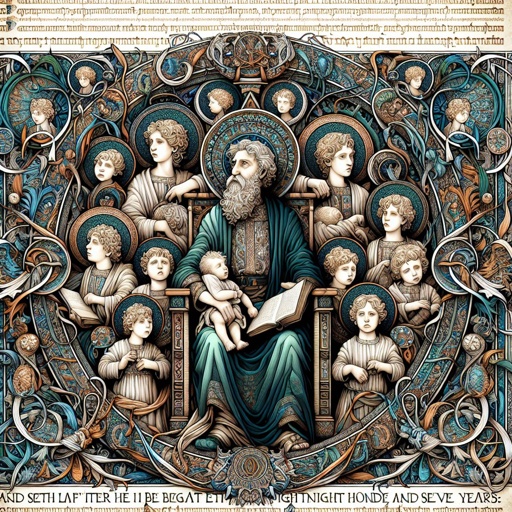
Genesis 5:7 - "And Seth lived after he begat Enos eight hundred and seven years, and begat sons and daughters:"
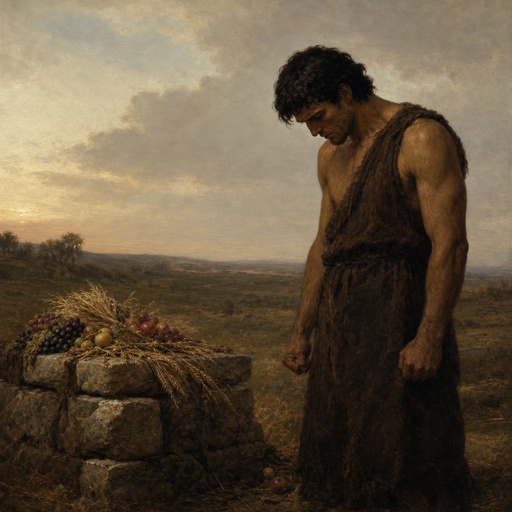
"But unto Cain and to his offering he had not respect. And Cain was very wroth, and his countenance fell." - Genesis 4:5

Genesis 5:4 - "And the days of Adam after he had begotten Seth were eight hundred years: and he begat sons and daughters:"

"And Noah did according unto all that the LORD commanded him." - Genesis 7:5

1 Corinthians 13:4-7 - "4 Love is patient, love is kind. It does not envy, it does not boast, it is not proud. 5 It does not dishonor others, it is not self-seeking, it is not easily angered, it keeps no record of wrongs. 6 Love does not delight in evil but rejoices with the truth. 7 It always protects, always trusts, always hopes, always perseveres."

Genesis 4:7 - "If thou doest well, shalt thou not be accepted? and if thou doest not well, sin lieth at the door. And unto thee shall be his desire, and thou shalt rule over him."

Genesis 7:4 - "For yet seven days, and I will cause it to rain upon the earth forty days and forty nights; and every living substance that I have made will I destroy from off the face of the earth."
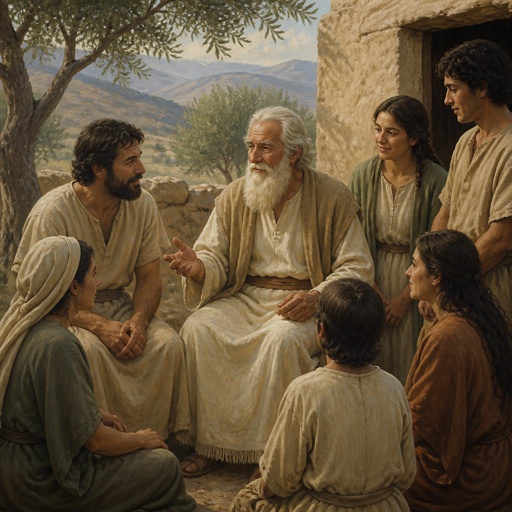
"And Seth lived after he begat Enos eight hundred and seven years, and begat sons and daughters:" - Genesis 5:7

Genesis 24:5

Genesis 27:5

Genesis 17:5

Genesis 20-5

Genesis 11:5

Genesis 22-5

Genesis 1:5

Genesis 11:5

Genesis 11:5

Genesis 23-5

Genesis 25:5

Genesis 21-5

Genesis 16:5

Genesis 11:5

Genesis 1:5

Genesis 19-5

Genesis 29-5

Genesis 1:5