Living a Life that Counts: Lessons from Enos
“And all the days of Enos were nine hundred and five years: and he died.” — Genesis 5:11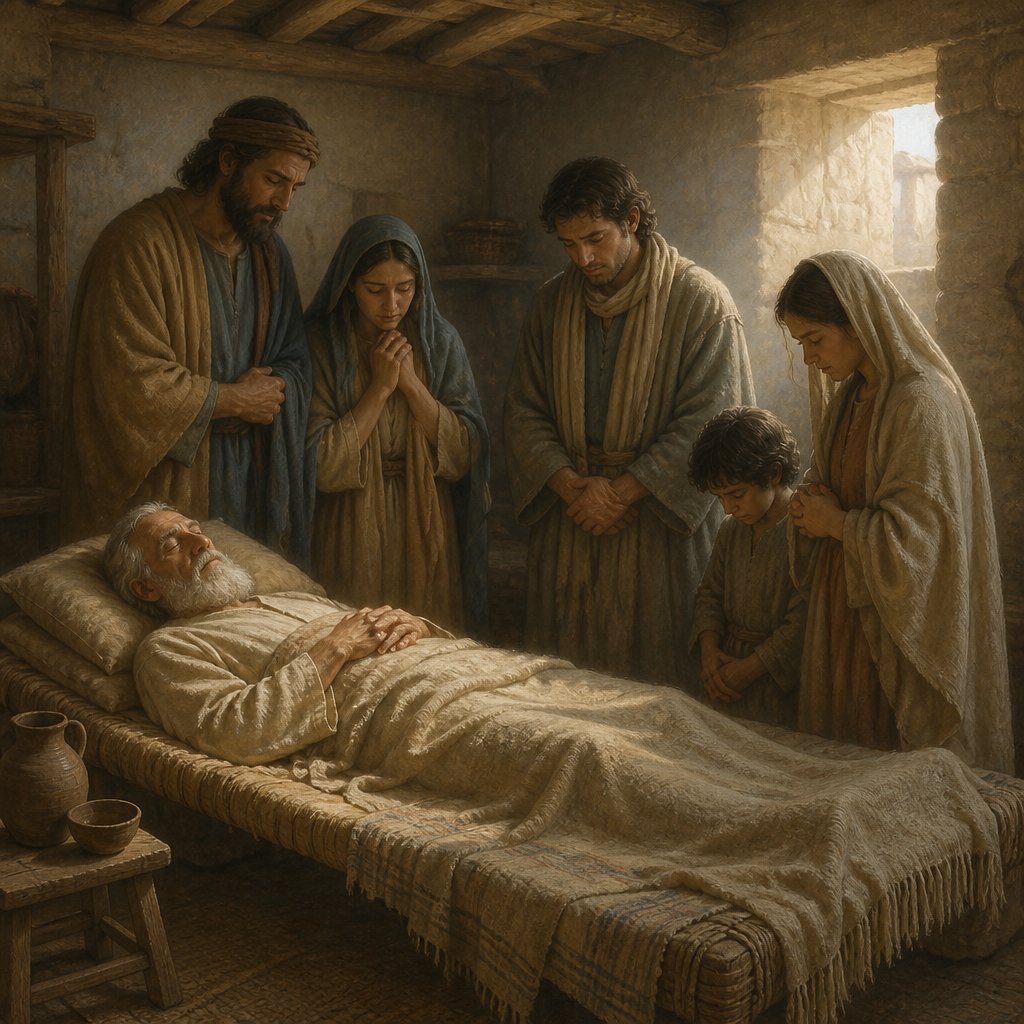
As we delve into the genealogies presented in Genesis, we often overlook the profound significance encapsulated within verses that seemingly serve only as a record of time. One such verse is Genesis 5:11, which states, "And all the days of Enos were nine hundred and five years: and he died." At first glance, it appears to be a mere statement of fact about the lifespan of Enos, but upon closer examination, this verse unveils deeper truths about life, mortality, and legacy.
Enos, the son of Seth and grandson of Adam, lived for nine hundred and five years. This numerical figure holds an intrinsic value, not simply as a count of years lived but as a testimony to the endurance of a life lived by faith in an often difficult world. Enos is notable not only for his remarkable age but also for the period of transition in which he lived. Following the expulsion from Eden and the subsequent generational struggles, Enos stands as a bridge between the glories of Eden and the realities of the fallen world.
From the narrative we glean in Genesis, we understand that each name in the lineage corresponds with a deeper historical and spiritual significance, and Enos is no exception. His very name means "mortal man," a poignant reminder of our human fragility. Enos’ life was emblematic of the human condition; despite living longer than any of us could fathom, he ultimately succumbed to death. This serves to remind us that regardless of the number of our days, life is transient.
Death is a pervasive theme in the genealogies of Genesis, serving as a reminder that every person has an appointed time to die (Hebrews 9:27). In a world captivated by the pursuit of longevity, Enos exemplifies a pivotal truth: the focus should not merely be on the quantity of our years, but rather on the quality of our lives. How are we living in the time we are given? Are we accumulating wisdom, nurturing relationships, and fostering faith in God?
Enos lived in a time when people began to call upon the name of the Lord (Genesis 4:26). It was in this era of spiritual awakening that he garnered importance, representing a turning back to God amidst the chaos of the surrounding world. His lifespan of nine hundred and five years serves as a testament to a life spent within the covenant community, a life rooted in praise and recognition of God’s sovereignty. Thus, we are prompted to ask ourselves, are we making the most of our conversations and actions? Are we calling on God amid trials?
Moreover, there exists a collective experience within this verse that speaks to the universal journey of humanity. Death, while it signifies an end, also prompts a reflection on the life lived prior. Enos’s passage from life into death was not without influence; he fathered a lineage that culminated in pivotal biblical figures. Our lives too have ramifications that resonate beyond the immediate. The question then arises: what legacy are we leaving behind?
As we meditate on the life and death of Enos, let us strive to embody the qualities of faith-filled living. Instead of shying away from the inevitable, let us embrace it, crafting lives that reflect grace, wisdom, and influence. Each day, no matter how many years we are granted, is an opportunity to build on the foundation laid by those who preceded us and inspire those who will follow. Live not just for yourself, but for a greater purpose, and as we endeavor to walk out our days purposefully, we too can echo the legacy of Enos—one that calls upon the name of the Lord and lives for eternal significance.
As we consider this scripture, we remember that our time on earth is limited, but our impact can be eternal. Let us resolve to live each day as a testimony of God’s love and faithfulness, knowing that one day, like Enos, we too will face our appointed end. How we journey to that end matters more than the years we accumulate. Starting today, let’s choose to live every day with intention and purpose, reflecting the light of Christ to a world that so desperately needs it.
Get our apps


Artwork for Genesis 5:11

Genesis 5:11 - "And all the days of Enos were nine hundred and five years: and he died."
"And all the days of Enos were nine hundred and five years: and he died." - Genesis 5:11

Genesis 11:5

Genesis 11:5

Genesis 11:5

Genesis 11:5

Genesis 11:5

Genesis 11:5 - "And the LORD came down to see the city and the tower, which the children of men builded."

Song of Solomon 5:11

Philippians 2:5-11
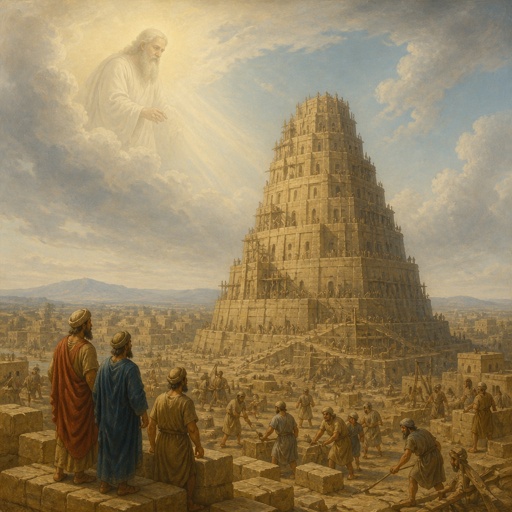
"And the LORD came down to see the city and the tower, which the children of men builded." - Genesis 11:5

genesis 8:11

Genesis 8:11

Genesis 15:11

genesis 8:11

genesis 8:11

Genesis 8:11

genesis 8:11

Genesis 21-11

Genesis 18-11

Genesis 20-11

Genesis 8:11

Genesis 22:11

Genesis 28-11

Genesis 23:11

genesis 8:11

Genesis 24-11

Genesis 16:11

Genesis 17-11

genesis 8:11