The Heart of God: Understanding Divine Regret
“And it repented the LORD that he had made man on the earth, and it grieved him at his heart.” — Genesis 6:6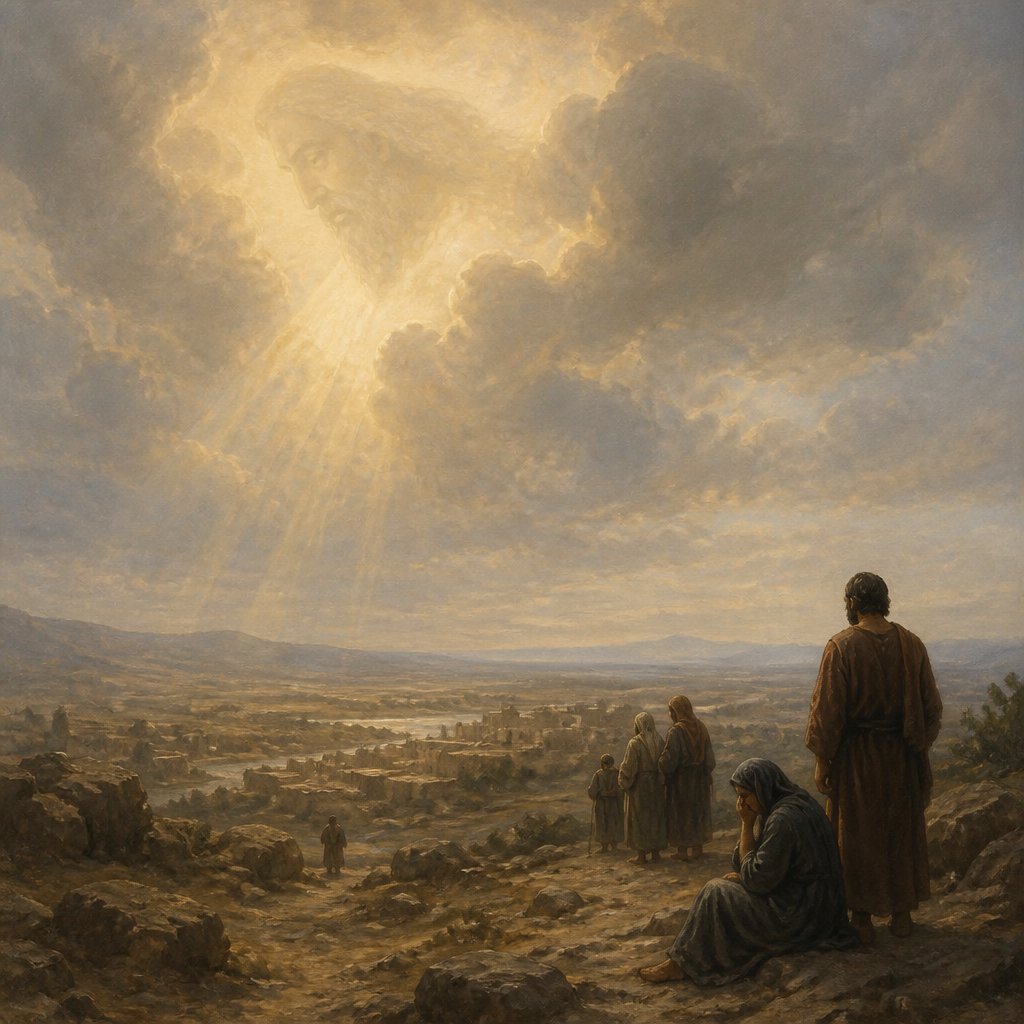
Genesis 6:6 presents a startling and profound insight into the nature of God. The verse states, "And it repented the LORD that he had made man on the earth, and it grieved him at his heart" (KJV). At first glance, this passage may seem to imply a change in God, suggesting that He made a mistake in creating humanity. However, a deeper exploration reveals a complex interaction between divine justice, human free will, and the profound love of the Creator.
To understand this verse, we must first remember that the word "repented" in this context does not imply sin or error on God's part, for God is perfect and incapable of wrongdoing (Hebrews 6:18). Instead, it indicates a deep emotional response from God—one that reflects His grief and sorrow over humanity’s choices. The corruption, violence, and wickedness that proliferated on the earth grieved the heart of God. This divine emotion reveals His passionate commitment to His creation.
The context in which Genesis 6:6 appears is essential. Leading up to this verse, we read of humanity's moral decline. The intensity of evil was rampant, as the thoughts and intentions of man were continually evil (Genesis 6:5). Here, we see a juxtaposition between the high calling of humanity made in the image of God and the base reality of their rebellion and sin. The Creator, who breathed life into man and endowed him with free will, is now confronted with the tragic results of that very free will.
When God surveys His creation and sees the magnitude of the wickedness that has overtaken it, it prompts Him to feel deep regret—regret not for creating humanity but for witnessing their divergence from His intended purpose for them. This grief reflects God's nature; He is not an aloof deity who stands outside of human affairs but one who intimately cares for what He has made.
Psalm 78:38 reminds us of God’s mercy, stating, "But he, being full of compassion, forgave their iniquity, and destroyed them not: yea, many a time turned he his anger away, and did not stir up all his wrath." God's response to human sin is layered with compassion and patience. Even in the face of overwhelming sin, there is a glimmer of hope in God's character. The depth of God's sorrow demonstrates His longing for restoration and reconciliation with humanity.
Furthermore, the sorrow of the Lord in this verse is a call for reflection. It forces us to consider how our own actions and choices align with the heart of God. Are our lives a reflection of His love and righteousness, or are we contributing to the grief in His heart? Our choices matter; they have repercussions not only for ourselves but for our communities and the world at large.
As we contemplate this passage, we must also understand that God's grievances do not lead to hopelessness, but rather to His sovereign plan for redemption. The narrative of Noah follows immediately after God’s lament, illustrating that in the face of judgment, God provides a way for salvation through Noah’s obedience. Genesis 6 leads us to the idea that even amidst the darkest times, God preserves a remnant and offers a new beginning.
Ultimately, Genesis 6:6 serves as both a warning and an invitation. It warns us of the consequences of turning away from God, yet it invites us to enter into a relationship marked by awareness of His heart. Our Savior embodies the fullness of grace and truth, urging us to cultivate a heart that reflects God's compassion and righteousness.
As we meditate on this verse, let us seek the heart of God, striving to live in a way that brings joy rather than grief to our Creator. Let our lives be embodiments of His love, working toward healing and restoration, becoming instruments of His peace in a world that desperately needs it.
Get our apps


Artwork for Genesis 6:6

Genesis 6:6 - "And it repented the LORD that he had made man on the earth, and it grieved him at his heart."
"And it repented the LORD that he had made man on the earth, and it grieved him at his heart." - Genesis 6:6

Genesis 1:6-8

Genesis 1:6-8

Genesis 19-6

Genesis 29-6

Genesis 18-6

Genesis 17:6

Genesis 23-6

Genesis 18-6

Genesis 16:6

Genesis 6:4

Genesis 25-6

Genesis 21-6

Genesis 6: 4

Genesis 20-6

genesis 22:6

Genesis chapter 6

Genesis 24-6

Genesis 22:6

Genesis 26:6 - "¶ And Isaac dwelt in Gerar:"

Genesis 39:6-12

Genesis 6:8 - "But Noah found grace in the eyes of the LORD."

Genesis 10:6 - "¶ And the sons of Ham; Cush, and Mizraim, and Phut, and Canaan."

Genesis 33:6 - "Then the handmaidens came near, they and their children, and they bowed themselves."

Genesis 15:6 - "And he believed in the LORD; and he counted it to him for righteousness."

Genesis 6:10 - "And Noah begat three sons, Shem, Ham, and Japheth."

Genesis 5:6 - "And Seth lived an hundred and five years, and begat Enos:"

Genesis 6:11 - "The earth also was corrupt before God, and the earth was filled with violence."

Genesis 14:6 - "And the Horites in their mount Seir, unto El-paran, which is by the wilderness."