Sacrificing to the Snare: A Call to True Worship
“Therefore they sacrifice unto their net, and burn incense unto their drag; because by them their portion is fat, and their meat plenteous.” — Habakkuk 1:16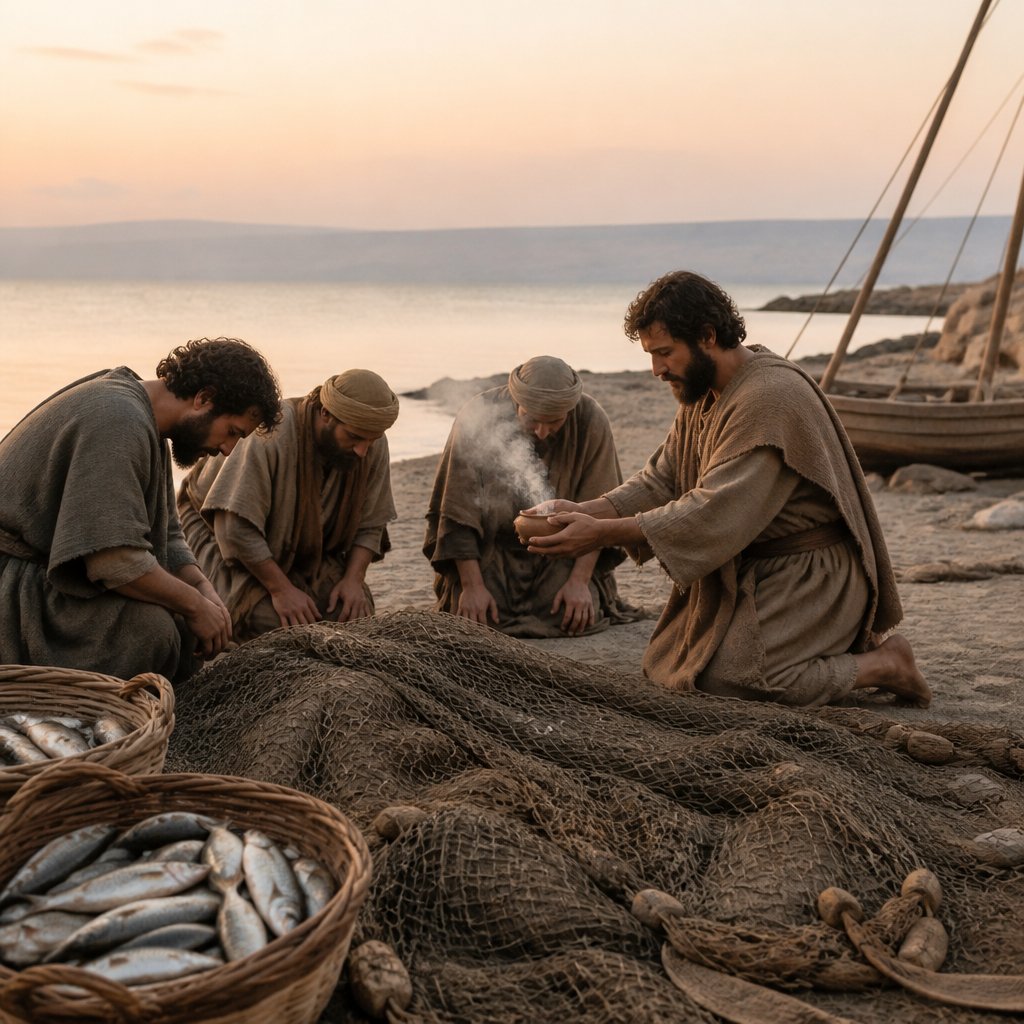
The verse Habakkuk 1:16 states, "Therefore they sacrifice unto their net, and burn incense unto their drag; because by them their portion is fat, and their meat plenteous." This Scripture acts as a poignant reminder of the dangers posed by misplaced priorities and wrongful worship.
In this verse, the prophet Habakkuk is speaking against those who attribute their prosperity and abundance to their own efforts—depicted as fishing nets and drags. These represent materialism and the pursuit of earthly success that often overshadows devotion to God. The imagery here is striking: men so invested in their nets that they offer sacrifices to them, believing their wealth has come only through their labor. They worship the very tools that bring them prosperity instead of the Creator who provides the resources.
This was true in the days of Habakkuk, and it is equally relevant today. We live in an age that glorifies self-sufficiency, productivity, and economic success. Our culture often equates financial abundance with divine favor and personal righteousness. Yet, in our pursuit of riches, we must evaluate how often we sacrifice our time, devotion, and integrity at the altar of these nets. Are we so consumed with accumulating wealth that we lose sight of worshipping the One who blesses us in the first place?
Habakkuk’s lament addresses a core issue of the human condition—idolatry. It might not be golden idols fashioned by skilled craftsmen, but the nets of ambition, power, status, and wealth become our modern-day gods. These ‘nets’ can ensnare us, keeping our eyes fixed on ourselves and our accomplishments rather than on God as the source of every good gift (James 1:17). In the busyness of our lives, how often do we lose our focus on what is truly important? When was the last time our prayers were directed towards gratitude for our faith rather than pleading for our needs to be met based on our nets?
As Christians, we are called to differentiate ourselves from the world and its attitudes. The sacrifices we make should not serve our nets but enhance our relationship with God. While the world thinks that success is measured by what we possess, God calls us to seek first His kingdom and righteousness (Matthew 6:33).
By burning incense unto our worldly gains, we ignore God’s sovereignty and diminish our spiritual wealth. This incense symbolizes our worship, our devotion—a token of our utmost admiration and reverence. When our focus is on the material, we rob God of the glory due His name. We forget that while the portion may seem fat, it is a fattening that will not satisfy our spiritual hunger. We become like those who feast on the husks of life while failing to partake of the Bread of Life who is Jesus Christ.
When we redirect our focus from our nets back to God, we realize that true sustenance comes from Him. Habakkuk’s harsh judgment serves not merely as a warning; it offers hope. It reminds us that we can repent from misplaced worship. Like Habakkuk, we can cry out to God to open our eyes to our own idolatry and return our hearts to the true object of our faith.
As we ponder Habakkuk 1:16, let us examine our own lives and the sacrifices we make. Are they directed toward enhancing our relationship with God, or are we bowing to our nets? In repentance and reflection, may our prayers always aim to align with God’s will, and may our sacrifices be for His glory and not our own. Let’s embrace a life defined not by the abundance of our nets but by our unwavering faith in the Giver of every good gift.
Get our apps


Artwork for Habakkuk 1:16

Habakkuk 1:16 - "Therefore they sacrifice unto their net, and burn incense unto their drag; because by them their portion is fat, and their meat plenteous."
"Therefore they sacrifice unto their net, and burn incense unto their drag; because by them their portion is fat, and their meat plenteous." - Habakkuk 1:16

Habakkuk 1:1 - "The burden which Habakkuk the prophet did see."

"The burden which Habakkuk the prophet did see." - Habakkuk 1:1

Habakkuk 3:1 - "A prayer of Habakkuk the prophet upon Shigionoth."

"A prayer of Habakkuk the prophet upon Shigionoth." - Habakkuk 3:1

"A prayer of Habakkuk the prophet upon Shigionoth." - Habakkuk 3:1

Habakkuk 2:1-3

Habakkuk 1:6 - "For, lo, I raise up the Chaldeans, that bitter and hasty nation, which shall march through the breadth of the land, to possess the dwellingplaces that are not their's."

Habakkuk 1:7 - "They are terrible and dreadful: their judgment and their dignity shall proceed of themselves."

Habakkuk 1:17 - "Shall they therefore empty their net, and not spare continually to slay the nations?"

Habakkuk 1:14 - "And makest men as the fishes of the sea, as the creeping things, that have no ruler over them?"

Habakkuk 1:11 - "Then shall his mind change, and he shall pass over, and offend, imputing this his power unto his god."

"They are terrible and dreadful: their judgment and their dignity shall proceed of themselves." - Habakkuk 1:7
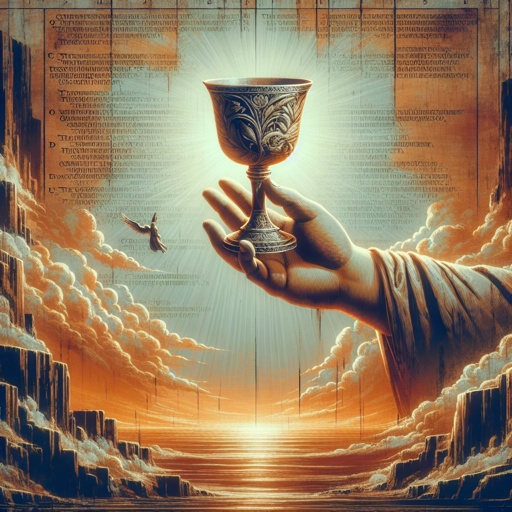
Habakkuk 2:16 - "Thou art filled with shame for glory: drink thou also, and let thy foreskin be uncovered: the cup of the LORD'S right hand shall be turned unto thee, and shameful spewing shall be on thy glory."

Habakkuk 1:9 - "They shall come all for violence: their faces shall sup up as the east wind, and they shall gather the captivity as the sand."

Habakkuk 1:15 - "They take up all of them with the angle, they catch them in their net, and gather them in their drag: therefore they rejoice and are glad."

Habakkuk 1:5 - "¶ Behold ye among the heathen, and regard, and wonder marvellously: for I will work a work in your days, which ye will not believe, though it be told you."

"I will stand upon my watch, and set me upon the tower, and will watch to see what he will say unto me, and what I shall answer when I am reproved." - Habakkuk 2:1
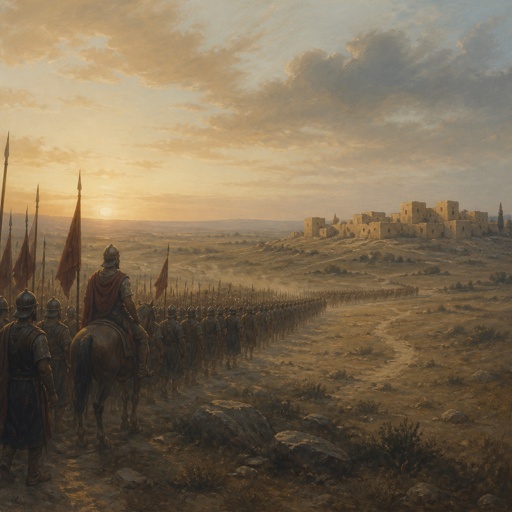
"For, lo, I raise up the Chaldeans, that bitter and hasty nation, which shall march through the breadth of the land, to possess the dwellingplaces that are not their's." - Habakkuk 1:6

Habakkuk 1:4 - "Therefore the law is slacked, and judgment doth never go forth: for the wicked doth compass about the righteous; therefore wrong judgment proceedeth."

Habakkuk 1:10 - "And they shall scoff at the kings, and the princes shall be a scorn unto them: they shall deride every strong hold; for they shall heap dust, and take it."

Habakkuk 1:3 - "Why dost thou shew me iniquity, and cause me to behold grievance? for spoiling and violence are before me: and there are that raise up strife and contention."
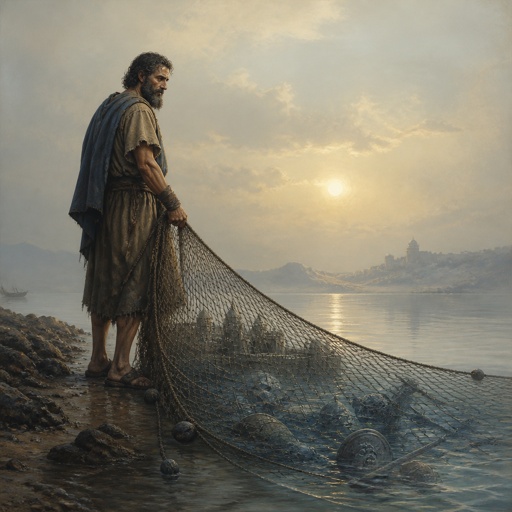
"Shall they therefore empty their net, and not spare continually to slay the nations?" - Habakkuk 1:17
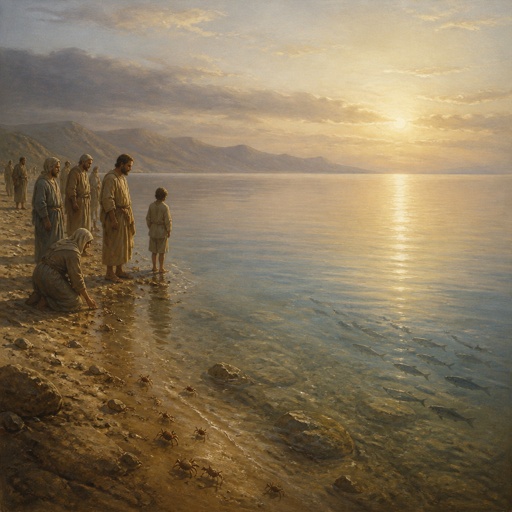
"And makest men as the fishes of the sea, as the creeping things, that have no ruler over them?" - Habakkuk 1:14

Habakkuk 1:2 - "O LORD, how long shall I cry, and thou wilt not hear! even cry out unto thee of violence, and thou wilt not save!"

Habakkuk 3:16 - "When I heard, my belly trembled; my lips quivered at the voice: rottenness entered into my bones, and I trembled in myself, that I might rest in the day of trouble: when he cometh up unto the people, he will invade them with his troops."
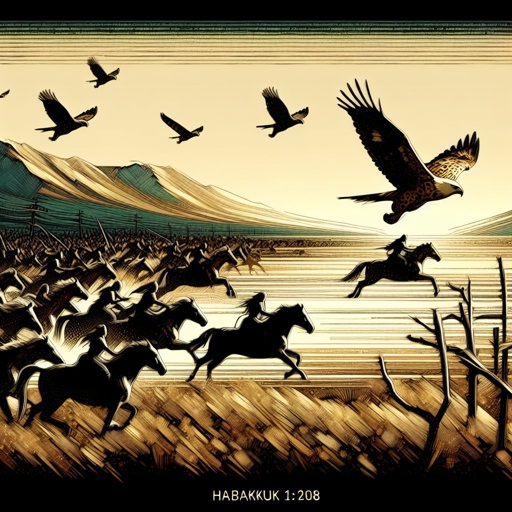
Habakkuk 1:8 - "Their horses also are swifter than the leopards, and are more fierce than the evening wolves: and their horsemen shall spread themselves, and their horsemen shall come from far; they shall fly as the eagle that hasteth to eat."

Habakkuk 2:1 - "I will stand upon my watch, and set me upon the tower, and will watch to see what he will say unto me, and what I shall answer when I am reproved."
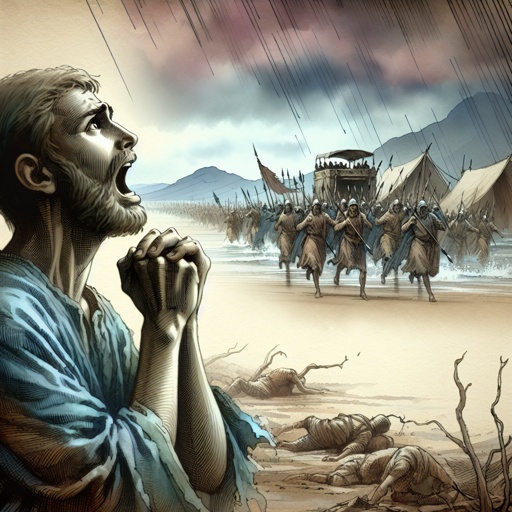
habakkuk 3: 16 When I heard, my body trembled; My lips quivered at the voice; Rottenness entered my bones; And I trembled in myself, That I might rest in the day of trouble. When he comes up to the people, He will invade them with his troops.