The Pleasing Sacrifice: Understanding God’s Heart
“Above when he said, Sacrifice and offering and burnt offerings and offering for sin thou wouldest not, neither hadst pleasure therein; which are offered by the law;” — Hebrews 10:8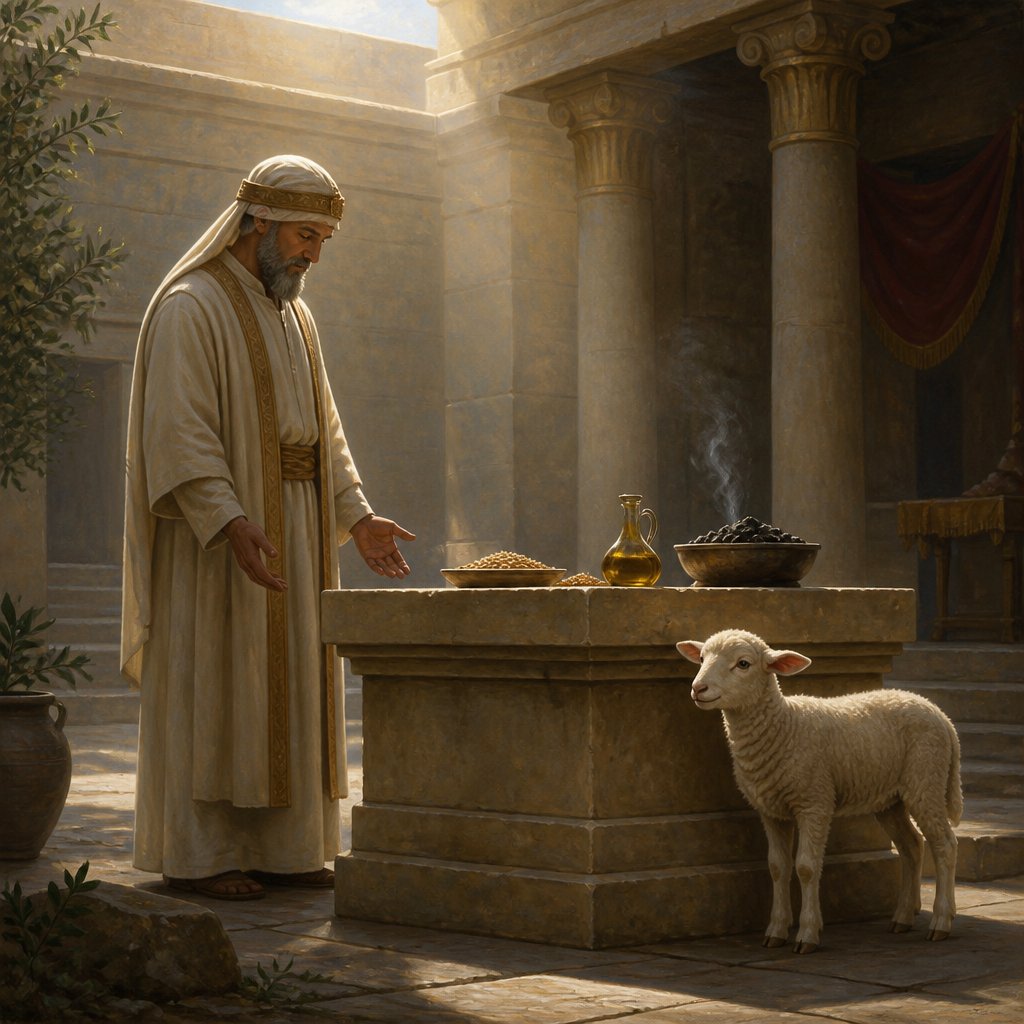
The Book of Hebrews appeals profoundly to our understanding of the faith journey, dissecting the fabric of what God deems essential in our worship and relationship with Him. As we consider Hebrews 10:8, which states, "Above when he said, Sacrifice and offering and burnt offerings and offering for sin thou wouldest not, neither hadst pleasure therein; which are offered by the law," it becomes apparent that God’s desire extends far beyond mere ritualistic offerings. In exploring this poignant scripture, we uncover layers of significance regarding divine expectations and the essence of true worship.
To understand this verse fully, we must appreciate the context in which the Hebrew author penned these words—a time when sacrifice was an integral part of Jewish law. The daily routines of sacrifice and rituals were deeply embedded in the culture and worship of ancient Israel. These offerings were designed to atone for sins and establish a semblance of fellowship with God. However, this verse highlights a critical revelation: God has never been enthralled by mere physical offerings. While the law mandated these sacrifices, heartless adherence to ritualistic practices left God unsatisfied.
This declaration may shock those who historically viewed sacrifices as the fundamental means of atonement. Yet, God’s dissatisfaction with offerings is not a rejection of the law itself but rather an invitation to penetrate the superficiality of religious observance. God seeks the heart of the worshiper rather than just the hands that partake in rituals. This dissatisfaction unveils God's longing for a deep, sincere relationship with His people, one that thrives on authentic love rather than obligatory acts of sacrifice.
The essence and requirement of true worship become clearer through a broader lens of Scripture. For instance, in Micah 6:6-8, we find a similar message: "Wherewith shall I come before the Lord, and bow myself before the high God? Shall I come before him with burnt offerings, with calves of a year old? Will the Lord be pleased with thousands of rams, or with ten thousands of rivers of oil? Shall I give my firstborn for my transgression, the fruit of my body for the sin of my soul? He hath shewed thee, O man, what is good; and what doth the Lord require of thee, but to do justly, and to love mercy, and to walk humbly with thy God?" Here, Micah communicates that the Lord’s delight centers on one’s character and actions, not merely on rituals performed.
In today’s context, we are often tempted to equate our service, attendance, or performance in church as sufficient offerings to God. Yet, examining our motivations becomes essential. Are we serving out of love for Christ, or are we performing to appease a sense of duty? Are we giving our time, talents, and finances out of joy for His grace, or do we feel compelled by obligation? It is critical to recognize that God desires our hearts—He wants us to be transformed by His love, responding not out of legalistic obligation but heartfelt devotion.
Moreover, this revelation leads us toward understanding the greatest sacrifice—Christ’s ultimate offering on the cross. When Jesus declared, “It is finished,” He concluded a sacrificial system based on the law. In doing so, He opened the way for a relationship driven by grace, mercy, and truth—one in which our lives become a living sacrifice (Romans 12:1) reflecting His love and grace in every action and interaction.
As we meditate on Hebrews 10:8, let us examine our own lives: Are we engaging in spiritual practices that honor God’s true desires? Are we growing in our love for Him, seeking deep communion instead of surface-level participation? Let us strive to embody the true sacrificial spirit that God seeks—one marked by a compassionate heart, humble spirit, and genuine worship.
In closing, let us remember that God delights in lives offered not merely through ritual acts, but through heartfelt devotion and righteousness—becoming a living testimony of His grace.
Get our apps


Artwork for Hebrews 10:8

Hebrews 10:8 - "Above when he said, Sacrifice and offering and burnt offerings and offering for sin thou wouldest not, neither hadst pleasure therein; which are offered by the law;"
"Above when he said, Sacrifice and offering and burnt offerings and offering for sin thou wouldest not, neither hadst pleasure therein; which are offered by the law;" - Hebrews 10:8

Hebrews 10:5-10

Hebrews 10:5-10

Hebrews 8:10 - "For this is the covenant that I will make with the house of Israel after those days, saith the Lord; I will put my laws into their mind, and write them in their hearts: and I will be to them a God, and they shall be to me a people:"

Hebrews 10:22

Hebrews 10:20

Hebrews 12:8

Hebrews 8:5

Hebrews 8:1-5

Hebrews 10:10 - "By the which will we are sanctified through the offering of the body of Jesus Christ once for all."

Hebrews 10:17 - "And their sins and iniquities will I remember no more."

Hebrews 13:8 - "Jesus Christ the same yesterday, and to day, and for ever."

Hebrews 10:21 - "And having an high priest over the house of God;"

Hebrews 10:31 - "It is a fearful thing to fall into the hands of the living God."
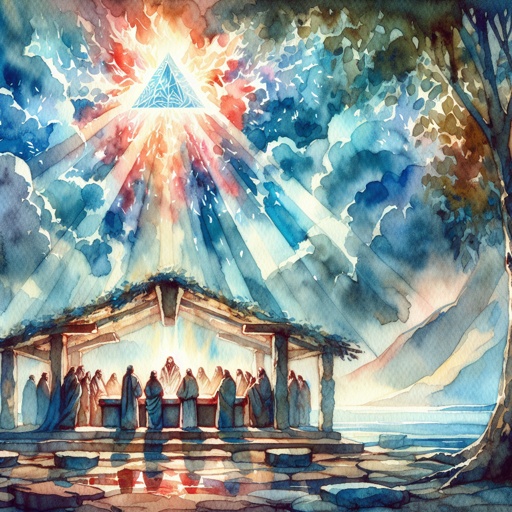
Hebrews 8:10 For this is the covenant that I will make with the house of Israel after those days, says the LORD: I will put My laws in their mind and write them on their hearts; and I will be their God, and they shall be My people.

Hebrews 3:8 - "Harden not your hearts, as in the provocation, in the day of temptation in the wilderness:"

Hebrews 5:10 - "Called of God an high priest after the order of Melchisedec."

Hebrews 10:18 - "Now where remission of these is, there is no more offering for sin."

Hebrews 10:14 - "For by one offering he hath perfected for ever them that are sanctified."

Hebrews 10:37 - "For yet a little while, and he that shall come will come, and will not tarry."

Hebrews (10:37) For just a little longer and he who is coming will arrive and not delay.

Hebrews 10:6 - "In burnt offerings and sacrifices for sin thou hast had no pleasure."

Hebrews 10:4 - "For it is not possible that the blood of bulls and of goats should take away sins."

Hebrews (10:37) For just a little longer and he who is coming will arrive and not delay.

Hebrews (10:37) For just a little longer and he who is coming will arrive and not delay.

Hebrews (10:37) For just a little longer and he who is coming will arrive and not delay.

Hebrews (10:37) For just a little longer and he who is coming will arrive and not delay.

Hebrews (10:37) For just a little longer and he who is coming will arrive and not delay.

Hebrews (10:37) For just a little longer and he who is coming will arrive and not delay.