The Divine Discipline of Our Heavenly Father
“Furthermore we have had fathers of our flesh which corrected us, and we gave them reverence: shall we not much rather be in subjection unto the Father of spirits, and live?” — Hebrews 12:9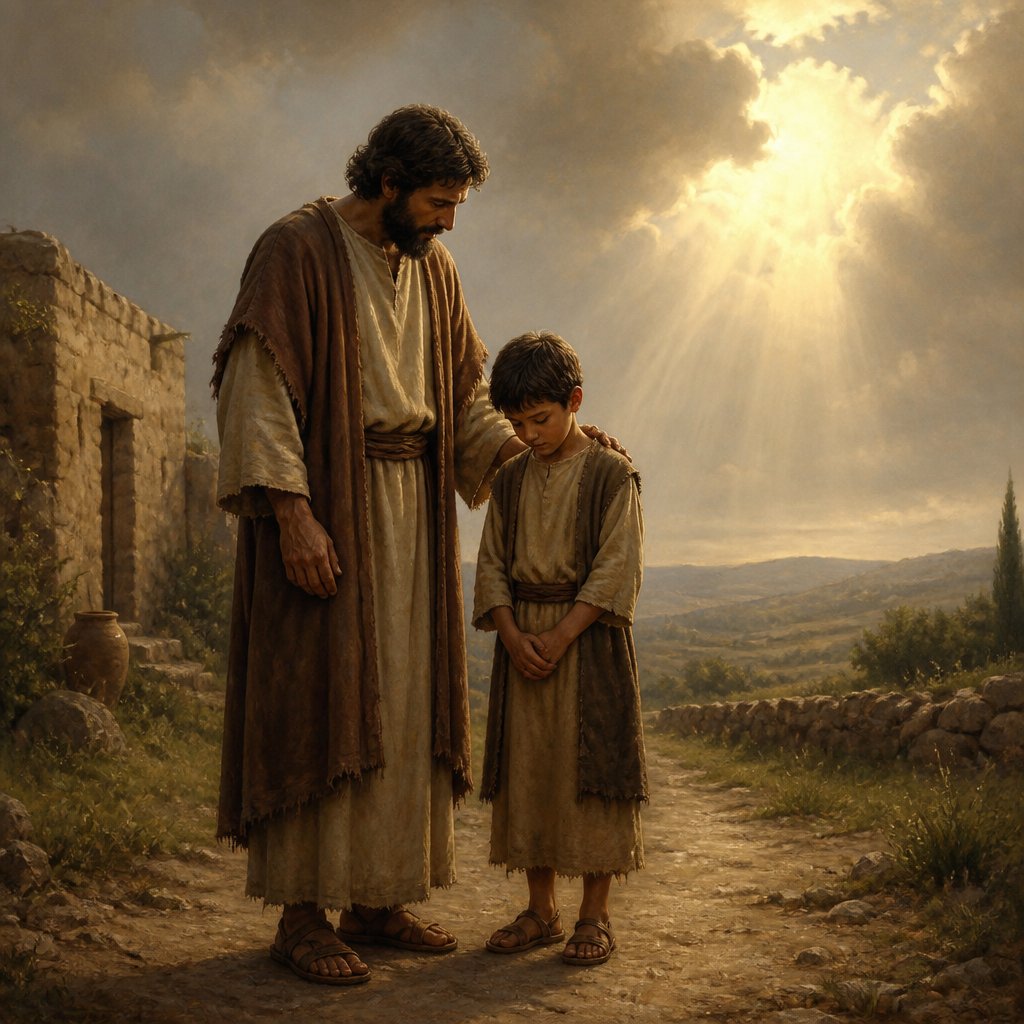
**Introduction**
As Christians, we are called to understand the multifaceted nature of God, particularly His role as a loving Father. Hebrews 12:9 profoundly articulates this relationship, reminding us of the necessity of discipline in our lives: "Furthermore we have had fathers of our flesh which corrected us, and we gave them reverence: shall we not much rather be in subjection unto the Father of spirits, and live?" This verse encapsulates an essential truth about our relationship with God—He disciplines us not out of anger or disdain, but out of immense love and a divine purpose aimed at our growth and transformation.
**Understanding Discipline**
To grasp the depth of the admonition in Hebrews 12:9, we must first reflect on the kind of discipline we received from our earthly fathers. The passage acknowledges that we had fathers who corrected us, instilling within us a sense of reverence and respect. Discipline from a parent may take various forms—be it guidance, correction, or even punishment—but its ultimate goal is the betterment of the child. This "corrective" action is critical; without it, there would be no sense of accountability, and children would struggle to navigate the complexities of life. Similarly, God, as the Father of spirits, engages in a divine discipline that is intended to instruct, shape, and ultimately lead us to spiritual maturity.
**The Nature of God’s Fatherhood**
The phrase "the Father of spirits" denotes God’s authority and His intimate involvement in our lives. He is not a distant deity but a nurturing Father deeply concerned with our spiritual welfare. When we understand God’s discipline through the lens of His fatherly love, we begin to appreciate the seriousness with which He takes our spiritual development. Just as a caring father may allow his child to face the consequences of their actions for the greater good, God allows us to experience challenges and corrective lessons. This can be difficult—and sometimes painful—but it is for our benefit. We must remind ourselves that God’s intention in discipline is never simply retribution but restoration.
**The Call to Reverence and Submission**
The author of Hebrews poses a rhetorical question that elevates the conversation: if we revered our earthly fathers who corrected us, how much more should we submit to our Heavenly Father? This submission is not merely an act of obedience but rather an acknowledgment of God’s authority and wisdom over our lives. As we contemplate God’s discipline, it becomes clear that submission is a pathway to peace and genuine spiritual life. The verse indicates that our very being, our essence as spirits, thrives when we remain in subjection to Him.
When we submit to God’s discipline, we allow ourselves to become vessels for His transformative work. Sometimes we resist this process; we might argue, flee, or even run from the truths He reveals to us. However, the reality remains: God’s loving correction leads us to fullness of life. In our struggles, it is essential to remember that we are not alone; we are part of a divine family, and our Father is ever-present, lending us the strength we need to endure.
**Embracing God's Discipline**
Embracing God's discipline means developing a heart that is humble and receptive. We must cultivate a posture of trust, believing that God has our best interests at heart, even when His methods appear challenging. As we grow in our understanding of His ways, may we allow His guidance to shape our character. Hebrews encourages us to see trials as opportunities for growth, leading us toward holiness (Hebrews 12:10).
**Conclusion**
In closing, let us take Hebrews 12:9 to heart, reminding us that God’s discipline is a testament to His love. May we respond with reverence and submission to our Heavenly Father, knowing that in His correction and guidance lies the true path to life—life not just here on Earth, but eternity in His presence. Let us embrace His discipline, for it leads us to a deeper understanding of ourselves and a profound relationship with Him.
Get our apps


Artwork for Hebrews 12:9

Hebrews 12:9 - "Furthermore we have had fathers of our flesh which corrected us, and we gave them reverence: shall we not much rather be in subjection unto the Father of spirits, and live?"
"Furthermore we have had fathers of our flesh which corrected us, and we gave them reverence: shall we not much rather be in subjection unto the Father of spirits, and live?" - Hebrews 12:9

Hebrews 9:12 - "Neither by the blood of goats and calves, but by his own blood he entered in once into the holy place, having obtained eternal redemption for us."

Hebrews 12:8

Hebrews 12:12 - "Wherefore lift up the hands which hang down, and the feeble knees;"

Hebrews 12:29 - "For our God is a consuming fire."

Hebrews 4:9 - "There remaineth therefore a rest to the people of God."

Hebrews 9:16 - "For where a testament is, there must also of necessity be the death of the testator."

Hebrews 7:12 - "For the priesthood being changed, there is made of necessity a change also of the law."

The Plague of Boils - Exodus 9:8-12.

Hebrews 9:18 - "Whereupon neither the first testament was dedicated without blood."

Hebrews 9:27 - "And as it is appointed unto men once to die, but after this the judgment:"
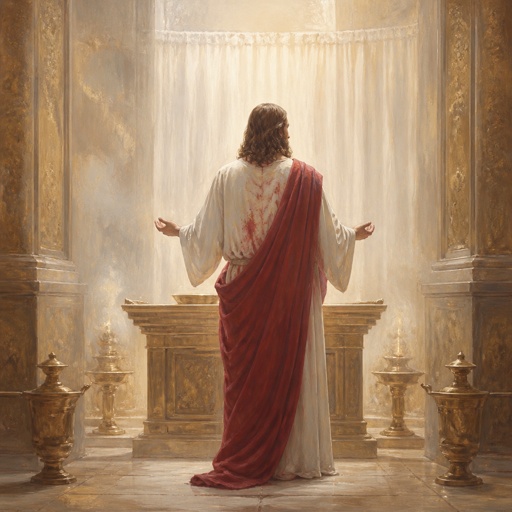
"Neither by the blood of goats and calves, but by his own blood he entered in once into the holy place, having obtained eternal redemption for us." - Hebrews 9:12

Hebrews 12:21 - "And so terrible was the sight, that Moses said, I exceedingly fear and quake:)"

Hebrews 12:4 - "Ye have not yet resisted unto blood, striving against sin."

Hebrews 4:12 – "For the word of God is alive and active. Sharper than any double-edged sword."

"For our God is a consuming fire." - Hebrews 12:29

Hebrews 8:12 - "For I will be merciful to their unrighteousness, and their sins and their iniquities will I remember no more."

Hebrews 9:3 - "And after the second veil, the tabernacle which is called the Holiest of all;"

Hebrews 9:9 - "Which was a figure for the time then present, in which were offered both gifts and sacrifices, that could not make him that did the service perfect, as pertaining to the conscience;"

Hebrews 4:12 – "For the word of God is alive and active. Sharper than any double-edged sword."
!["For our God [is] a consuming fire." - Hebrews 12:29](https://media.bible.art/d7477ab1-fc4c-4821-93d4-74621f3df94b-thumbnail.jpg)
"For our God [is] a consuming fire." - Hebrews 12:29

Hebrews 9:13 - "For if the blood of bulls and of goats, and the ashes of an heifer sprinkling the unclean, sanctifieth to the purifying of the flesh:"

Hebrews 9:20 - "Saying, This is the blood of the testament which God hath enjoined unto you."

Hebrews 9:21 - "Moreover he sprinkled with blood both the tabernacle, and all the vessels of the ministry."
!["For the word of God [is] quick, and powerful, and sharper than any twoedged sword, piercing even to the dividing asunder of soul and spirit, and of the joints and marrow, and [is] a discerner of the thoughts and intents of the heart." - Hebrews 4:12](https://media.bible.art/0705b859-7ae8-4ac8-9dce-49043e2ec43b-thumbnail.jpg)
"For the word of God [is] quick, and powerful, and sharper than any twoedged sword, piercing even to the dividing asunder of soul and spirit, and of the joints and marrow, and [is] a discerner of the thoughts and intents of the heart." - Hebrews 4:12

Hebrews 12:6 - "For whom the Lord loveth he chasteneth, and scourgeth every son whom he receiveth."

Hebrews 6:12 - "That ye be not slothful, but followers of them who through faith and patience inherit the promises."

Hebrews 9:17 - "For a testament is of force after men are dead: otherwise it is of no strength at all while the testator liveth."

Hebrews 9:2 - "For there was a tabernacle made; the first, wherein was the candlestick, and the table, and the shewbread; which is called the sanctuary."