The Significance of the Unseen: Lessons from Melchizedek
“But he whose descent is not counted from them received tithes of Abraham, and blessed him that had the promises.” — Hebrews 7:6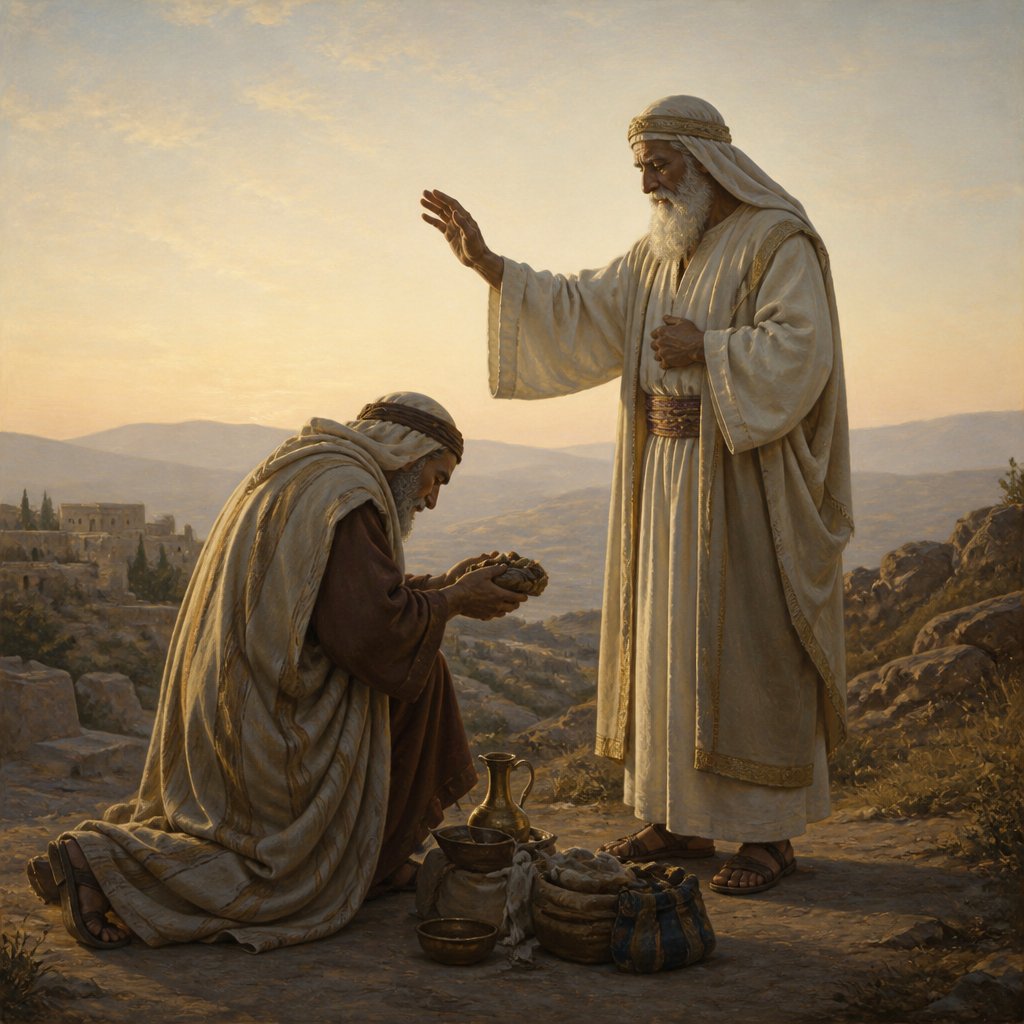
When we reflect on Hebrews 7:6, we encounter a profound truth about the nature of spiritual authority, priesthood, and blessings in relation to God’s eternal plan: "But he whose descent is not counted from them received tithes of Abraham, and blessed him that had the promises." This verse draws our attention to Melchizedek, a figure who holds great significance in biblical history, yet whose lineage remains shrouded in divine mystery.
**Understanding Melchizedek’s Role**
According to the account in Genesis, Melchizedek appears on the scene after Abraham's victory over the kings. The king of Salem, he is described as both a king and a priest, a dual role that was exceptionally rare and significant, given the Levitical priesthood established later. The author of Hebrews is intentional in highlighting that Melchizedek's lineage is not counted with the Levitical line, a lineage that traced back to Abraham, thereby elevating Melchizedek’s status. He is both a priest and a king, which directly points to the uniqueness of Christ, our eternal High Priest.
**The Act of Tithing**
Let us consider the implications of Abraham giving tithes to Melchizedek. Tithing, a practice rooted in gratitude and acknowledgment of God’s provision, was an act of worship. Abraham, the father of the faithful, recognized the authority of Melchizedek, despite not belonging to his lineage. This submission signifies that Abraham understood the precedence of spiritual authority and divine blessing over earthly norms. In that moment, the act of tithing went beyond a mere transaction; it was recognition of God's overarching sovereignty and supremacy.
**Blessings and Promises**
The verse continues with a powerful assertion that Melchizedek "blessed him that had the promises." This blessing is paramount because it underscores the critical linkage between authority, obedience, and the unfolding of God’s promises. Abraham had received God’s promises regarding the land, his descendants, and blessings for all nations through him. Yet, it was through recognizing Melchizedek's priestly role that these blessings were affirmed and confirmed. Often in our lives, we seek divine blessings and guidance, but how frequently do we identify and acknowledge the vessels of those blessings in our lives?
**Lessons on Authority and Recognition**
Believers today can draw lessons from Abraham and Melchizedek about the importance of recognizing God’s work through unexpected means and leaders. Much like Melchizedek, God may place individuals in our lives who bear spiritual authority yet do not fit the mold of our expectations. Their descent or background might not appear significant, but God uses them to convey His blessings. Are we quick to dismiss those who do not fit our preconceived notions of authority?
In this respect, Melchizedek serves as a reminder of the significance of divine endorsement over human ancestry. When we give our tithes, it symbolizes our acknowledgment of God as the ultimate source of our provision and blessings. In our spiritual worship, we recognize that all blessings flow from God above.
**Embracing Our Identity in Christ**
As New Testament believers, we have the privilege of identifying with Christ, who is our great High Priest in the order of Melchizedek. This connection means we, too, are recipients of unmerited grace and blessings that defy human expectations. We no longer rely solely on lineage or works to receive God's favor; rather, we stand in the righteousness of Christ. This inheritance comes not through physical descent but through faith.
**Conclusion**
As we reflect on Hebrews 7:6, let us cultivate a deeper understanding and appreciation of tithing not only as an act of obedience but as a heartfelt recognition of God’s authority in our lives. Let us embrace the blessings that God imparts through His chosen vessels and remain open to the extraordinary ways He works out His promises in our lives, often through those who least resemble what we envision.
In reverence and gratitude, may we, like Abraham, respond to the call of God with faith, ever mindful that He is the ultimate source of our blessings.
Get our apps


Artwork for Hebrews 7:6

Hebrews 7:6 - "But he whose descent is not counted from them received tithes of Abraham, and blessed him that had the promises."
"But he whose descent is not counted from them received tithes of Abraham, and blessed him that had the promises." - Hebrews 7:6

Hebrews 6:7 - "For the earth which drinketh in the rain that cometh oft upon it, and bringeth forth herbs meet for them by whom it is dressed, receiveth blessing from God:"

Hebrews 6:1

Hebrews 7:7 - "And without all contradiction the less is blessed of the better."

Hebrews 6:1

Hebrews 6:3 - "And this will we do, if God permit."

Hebrews 7:20 - "And inasmuch as not without an oath he was made priest:"

"And without all contradiction the less is blessed of the better." - Hebrews 7:7

Hebrews 6:2 - "Of the doctrine of baptisms, and of laying on of hands, and of resurrection of the dead, and of eternal judgment."

Hebrews 6:5 - "And have tasted the good word of God, and the powers of the world to come,"

Hebrews 10:6 - "In burnt offerings and sacrifices for sin thou hast had no pleasure."

Hebrews 7:12 - "For the priesthood being changed, there is made of necessity a change also of the law."

Hebrews 7:24 - "But this man, because he continueth ever, hath an unchangeable priesthood."

Hebrews 7:22 - "By so much was Jesus made a surety of a better testament."

Hebrews 7:17 - "For he testifieth, Thou art a priest for ever after the order of Melchisedec."

Hebrews 7:10 - "For he was yet in the loins of his father, when Melchisedec met him."

Hebrews 7:18 - "For there is verily a disannulling of the commandment going before for the weakness and unprofitableness thereof."

"And this will we do, if God permit." - Hebrews 6:3

Hebrews 7:16 - "Who is made, not after the law of a carnal commandment, but after the power of an endless life."

Hebrews 6:15 - "And so, after he had patiently endured, he obtained the promise."

Hebrews 3:7 - "Wherefore (as the Holy Ghost saith, To day if ye will hear his voice,"
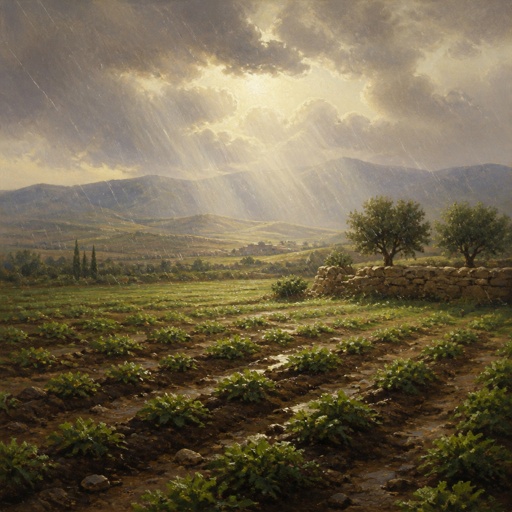
"For the earth which drinketh in the rain that cometh oft upon it, and bringeth forth herbs meet for them by whom it is dressed, receiveth blessing from God:" - Hebrews 6:7

Hebrews 6:6 - "If they shall fall away, to renew them again unto repentance; seeing they crucify to themselves the Son of God afresh, and put him to an open shame."

Hebrews 12:6 - "For whom the Lord loveth he chasteneth, and scourgeth every son whom he receiveth."

Hebrews 6:8 - "But that which beareth thorns and briers is rejected, and is nigh unto cursing; whose end is to be burned."

Hebrews 8:7 - "For if that first covenant had been faultless, then should no place have been sought for the second."

Hebrews 6:12 - "That ye be not slothful, but followers of them who through faith and patience inherit the promises."

Hebrews 6:14 - "Saying, Surely blessing I will bless thee, and multiplying I will multiply thee."

Hebrews 6:16 - "For men verily swear by the greater: and an oath for confirmation is to them an end of all strife."